Skip to content
en
USD

Score a Goal With the Best Prices

Shop Now

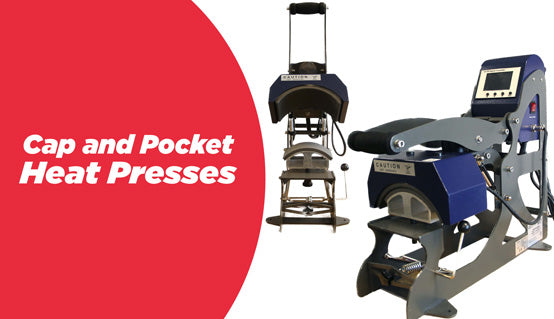
Cap & Pocket Presses

Cap & Pocket Presses for Custom Apparel Businesses


Decorate Hard-to-Press Areas with Precision and Consistency


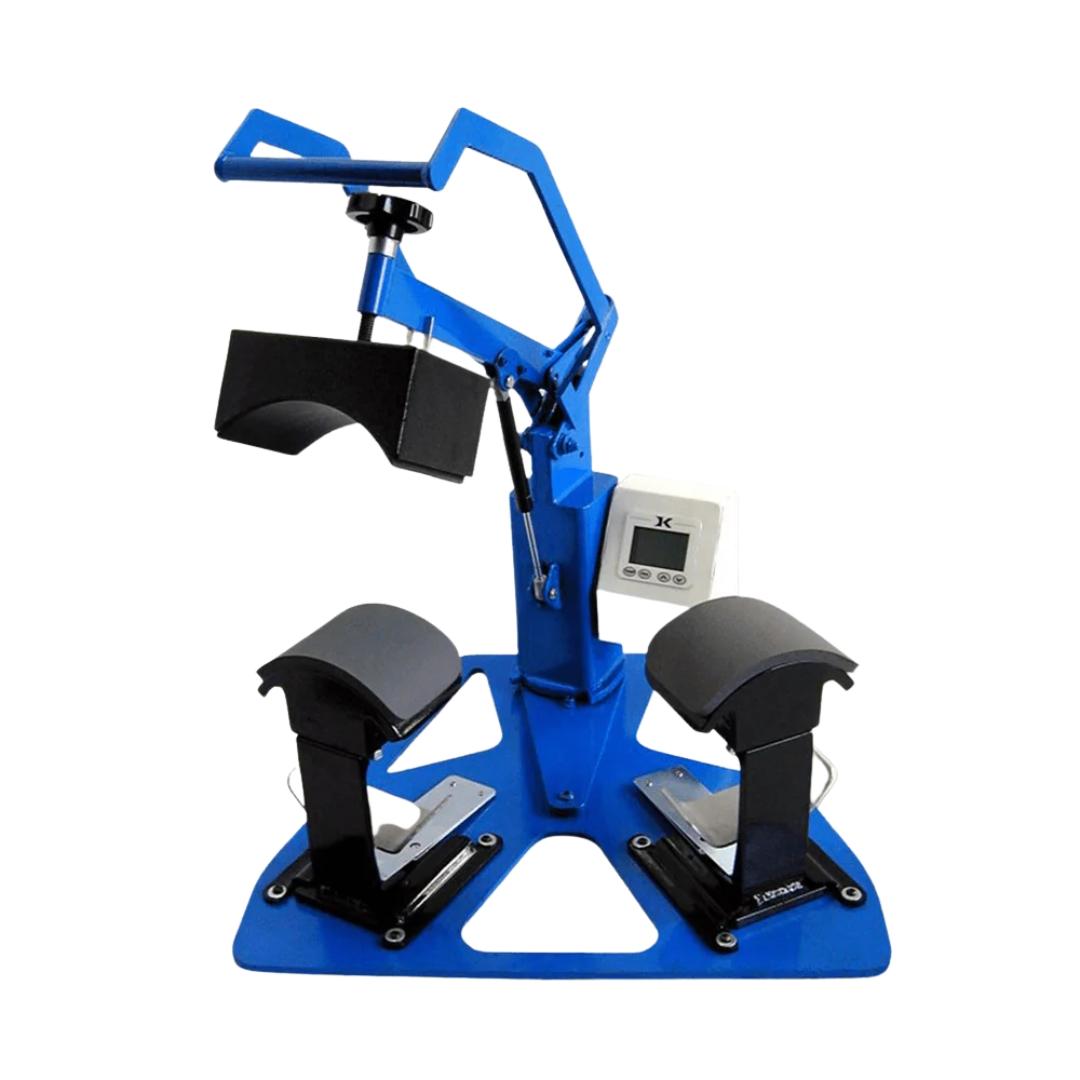
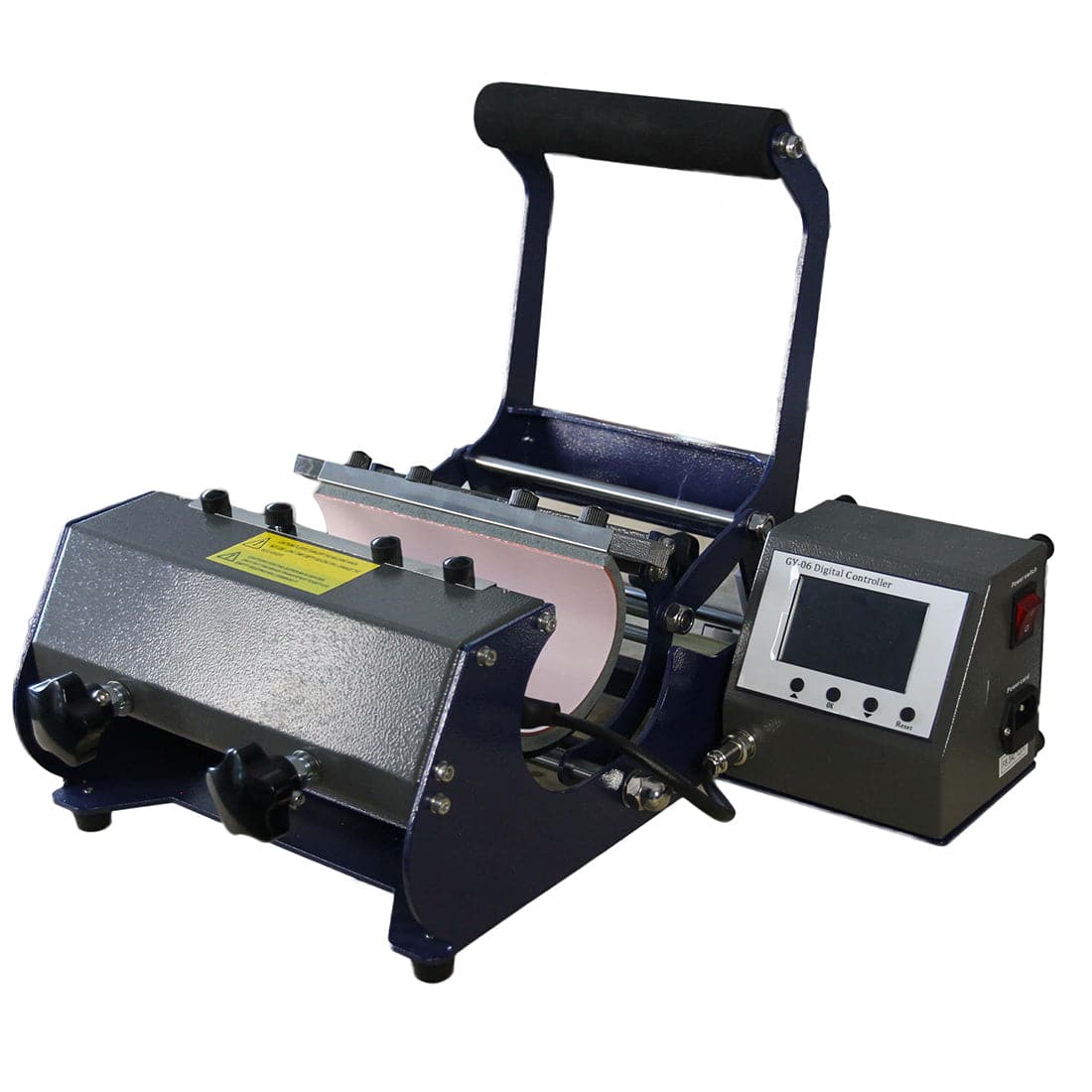
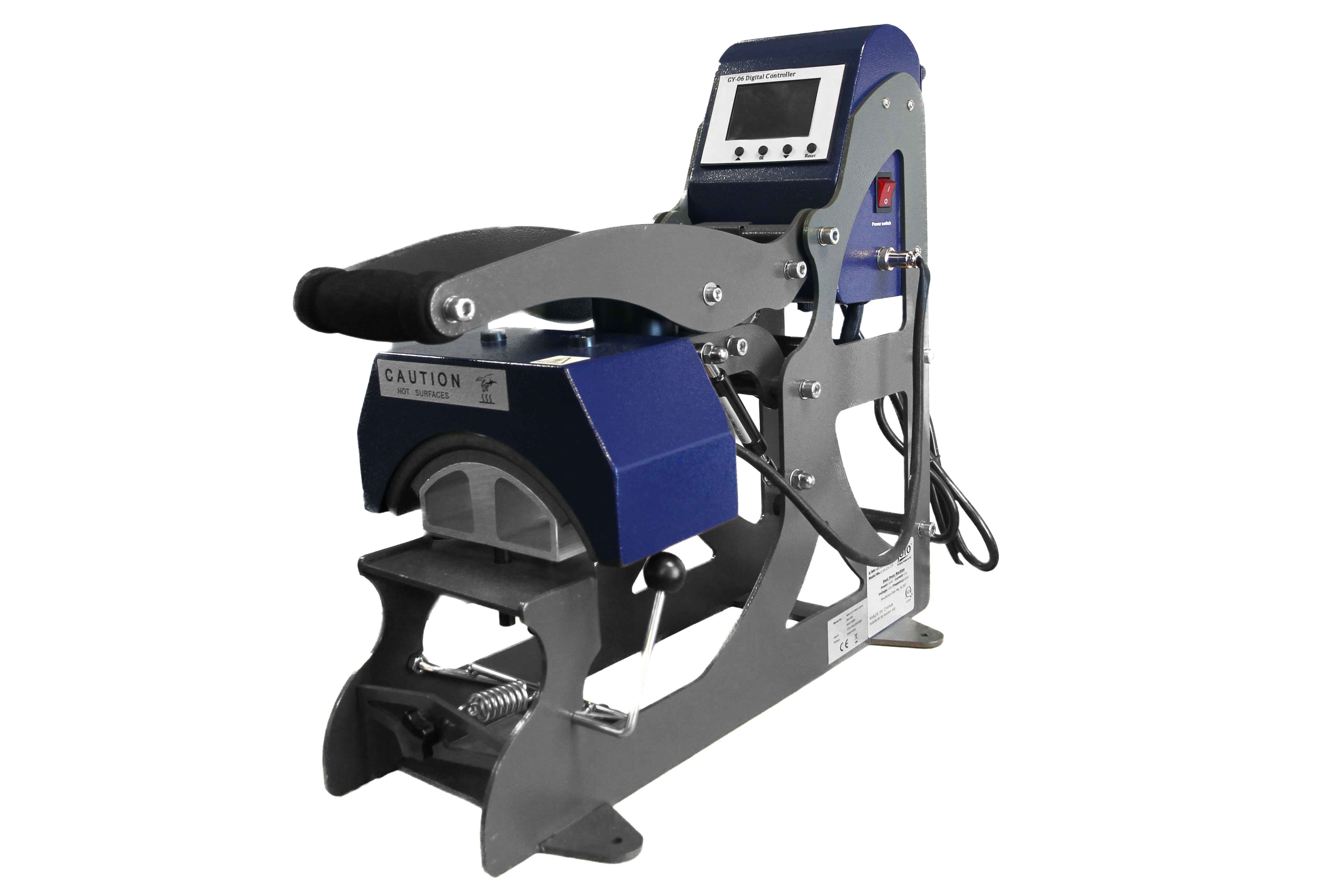
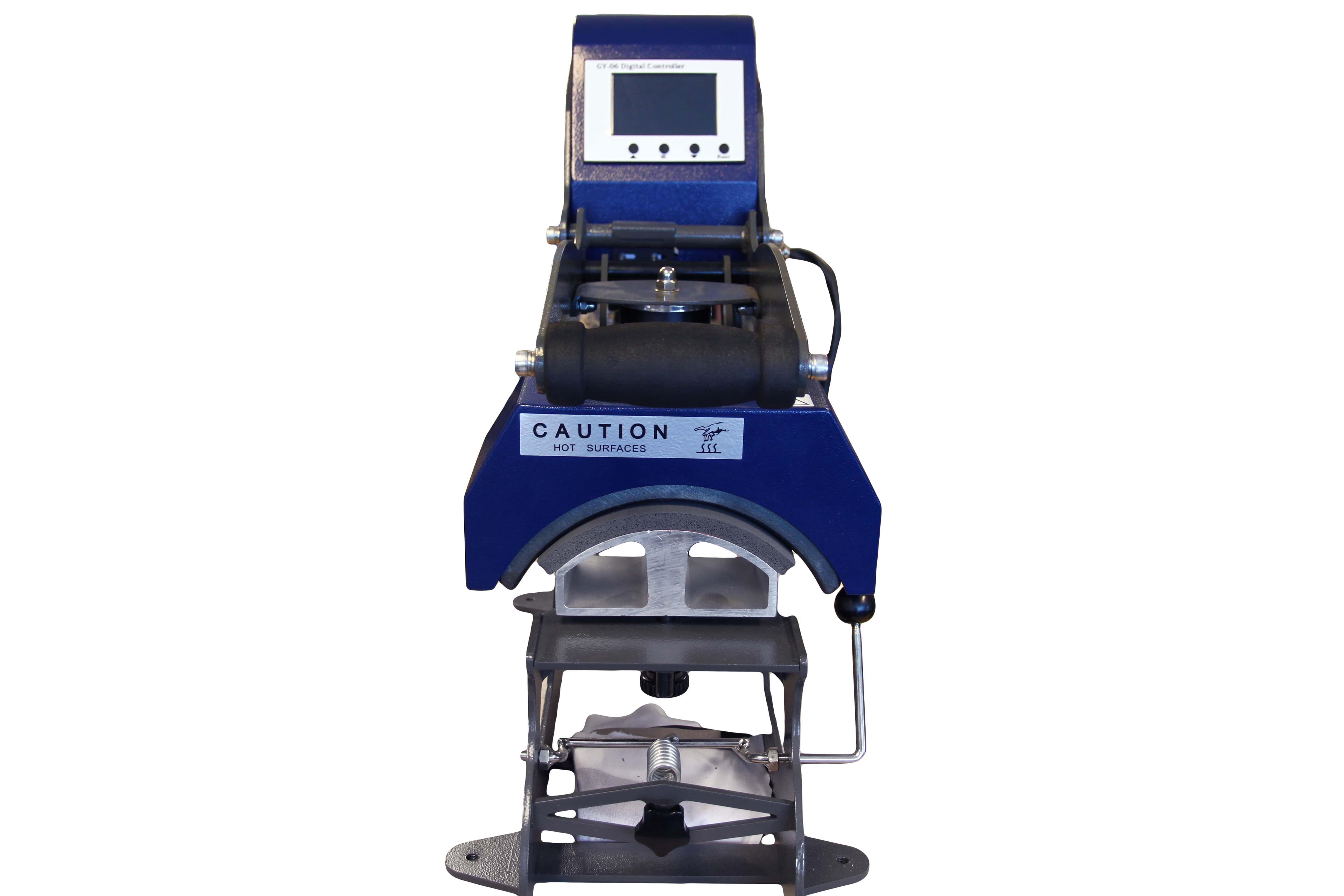
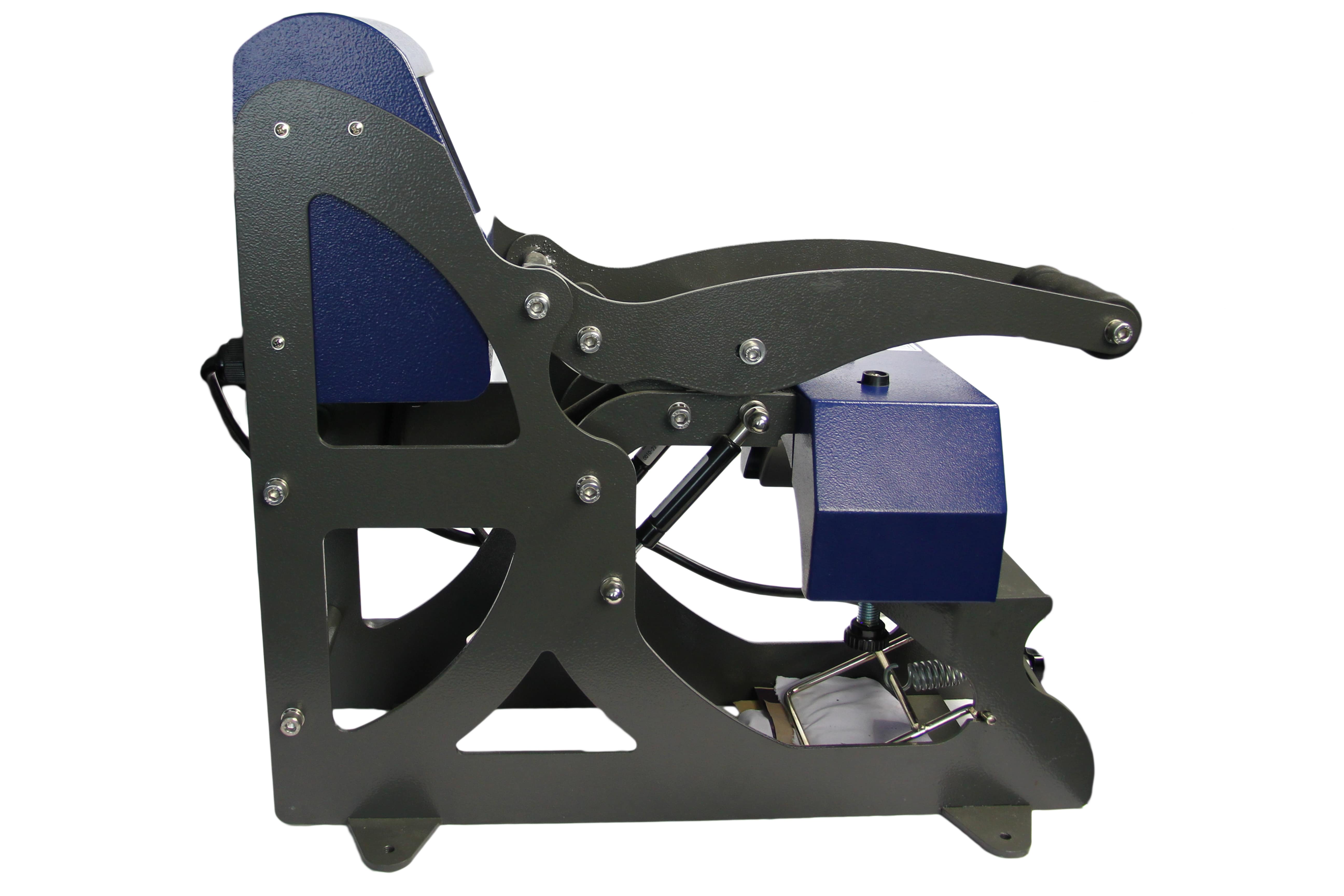
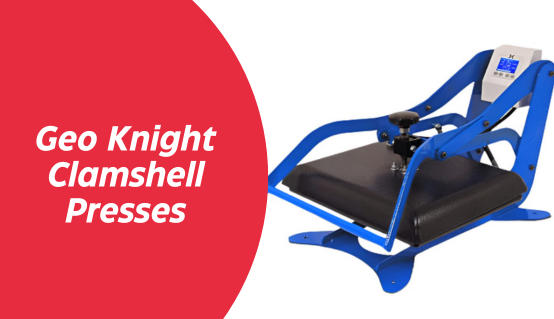
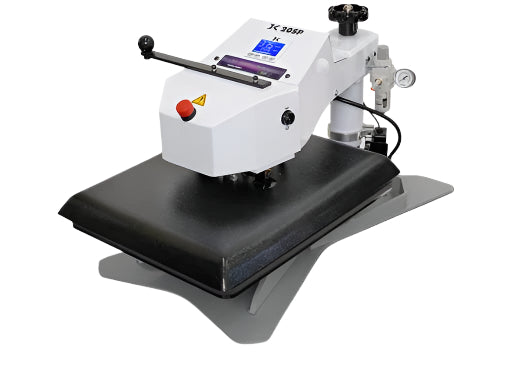
Cap and pocket presses are built for businesses customizing hats, sleeves, chest logos, and small garment areas. Compact and production-ready, they deliver controlled heat and pressure for clean transfers and repeatable, retail-quality output.

Filter

3 products

  • Sort by

Frequently Asked Questions:

What are cap and pocket heat presses used for?

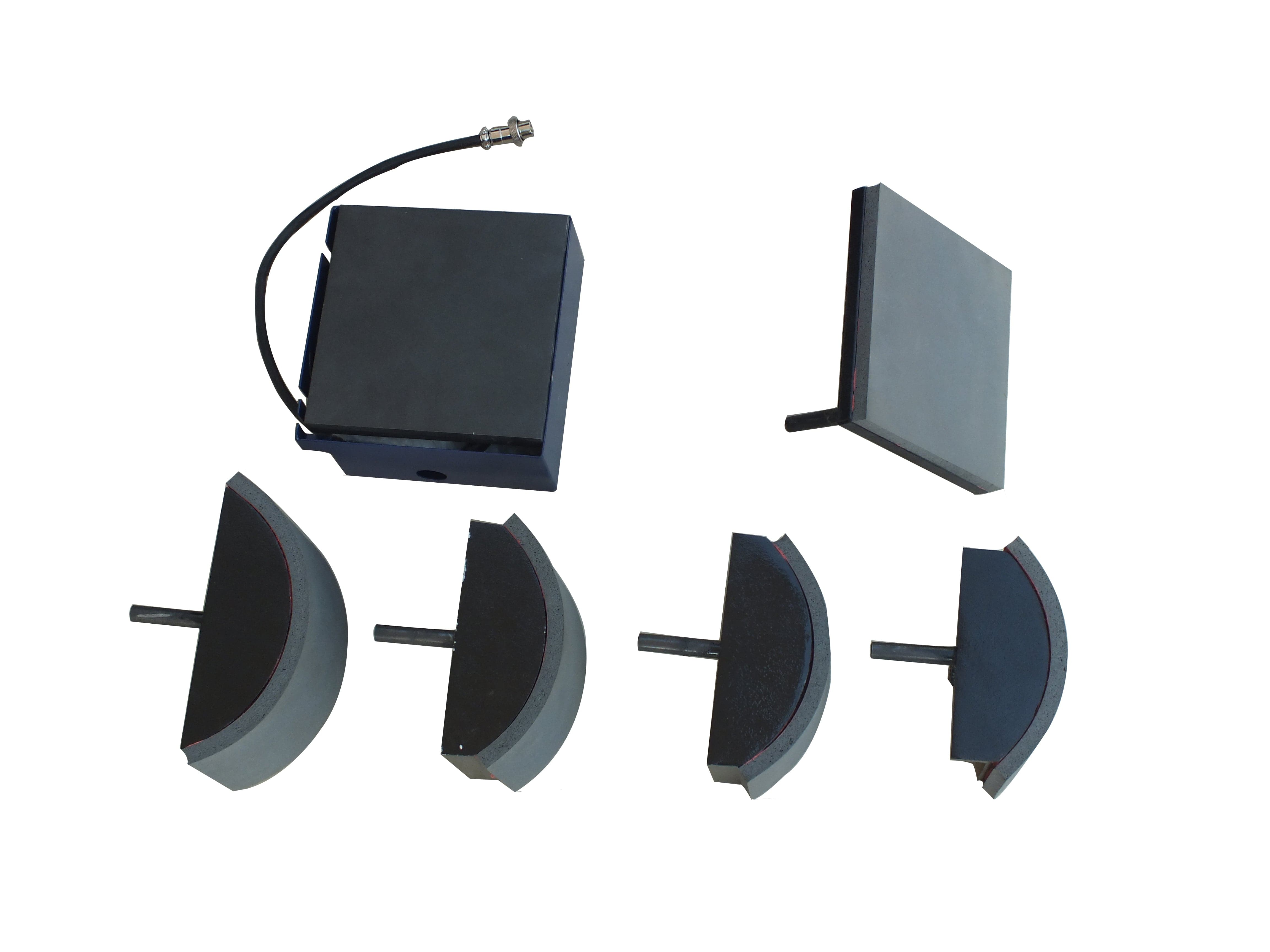
Cap and pocket heat presses are specialized machines designed to apply heat transfers to curved or small, hard-to-reach areas like headwear, sleeves, and pockets. These presses feature interchangeable platens and curved heating elements that ensure even pressure and heat distribution on non-flat textile substrates. Beyond hats, their compact design makes them highly versatile for precision work such as neck labeling and branding smaller promotional items. Utilizing these presses allows for professional-grade customization with heat transfer vinyl, sublimation, and inkjet transfers while maximizing efficiency in tight workspaces.

What types of fabrics and headwear materials are compatible with cap and pocket heat presses?

Cap and pocket heat presses are engineered to decorate a diverse range of materials, including structured and unstructured caps made of cotton twill, polyester, and foam. These specialized platens provide the necessary support for high-precision transfers on curved surfaces and small areas like shirt pockets or bag compartments. For optimal results on performance fabrics and poly-blends, it is critical to utilize precise temperature and pressure settings to prevent scorching and ensure industrial-grade adhesion. Joto Imaging Supplies offers professional-grade solutions that enable seamless customization across various textile headwear and garment accessories.

How can I properly maintain my cap and pocket heat press to ensure consistent pressure and long-term durability?

To ensure consistent pressure and long-term durability, regularly inspect your cap and pocket heat press for platen misalignment and replace worn silicone pads which are critical for even force distribution. Maintain the mechanical integrity of the machine by lubricating pivot points and lever joints monthly with a high-temperature, non-melting grease to prevent friction-related wear. It is essential to keep the heating element clean of adhesive residue using a non-abrasive cloth and to verify thermal accuracy periodically with temperature test strips or a digital pyrometer. By implementing these technical maintenance protocols and ensuring the press is stored in a clean, dry environment, you guarantee professional-grade application results and extend the operational life of your equipment.

How do you apply heat transfers to hats and bags using a cap and pocket heat press?

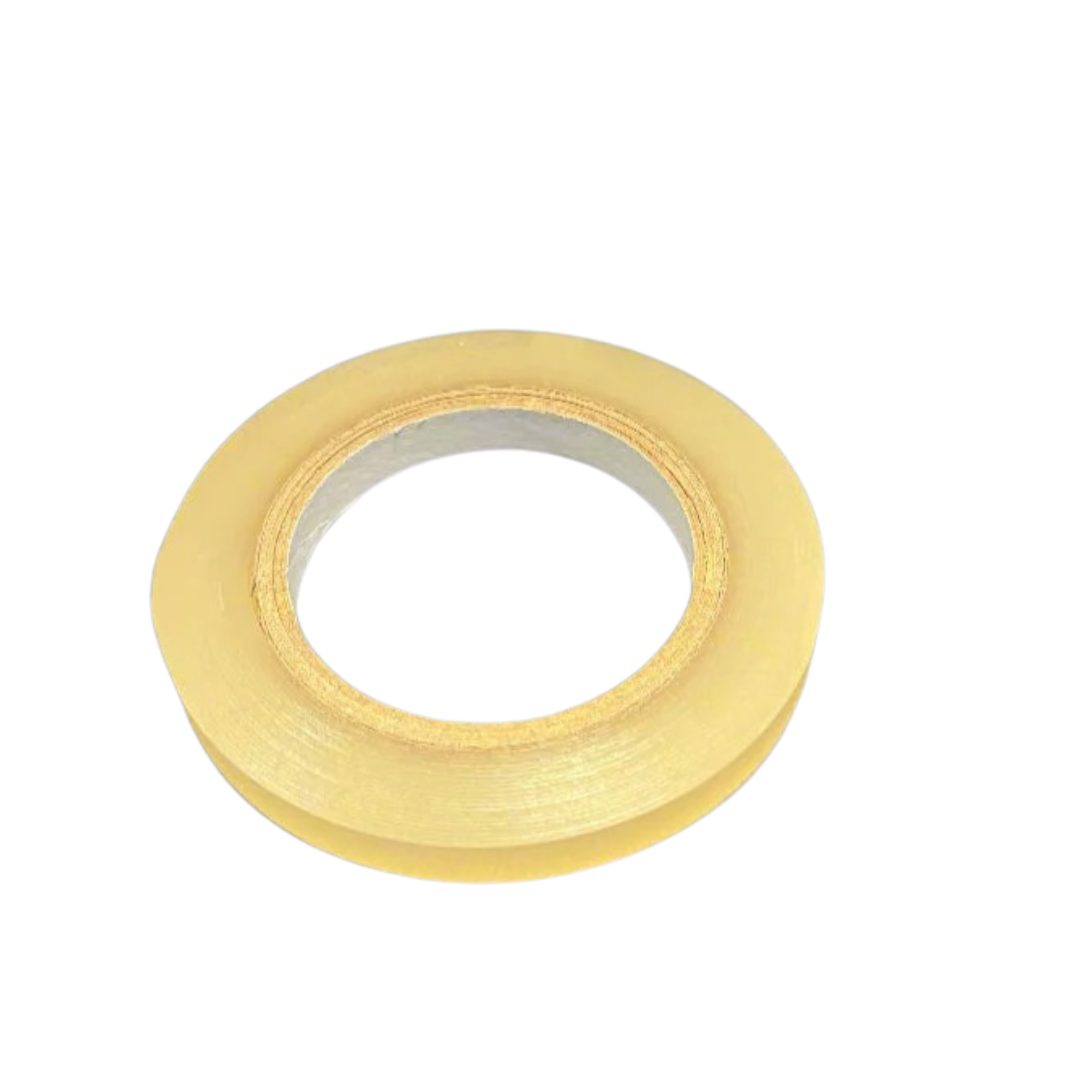
To apply heat transfers using a cap and pocket heat press, begin by selecting the appropriate platen size to isolate the print area and ensure a flat surface away from seams or zippers. Position your design on the preheated substrate and secure it with heat-resistant tape to maintain registration on curved or small surfaces like hats and bags. Apply consistent pressure at the manufacturer's recommended temperature, typically ranging from 280°F to 320°F, and utilize accessories like heat press pillows or silicone pads to offset obstructions. Finalize the application by following the specific peeling instructions and performing a secondary finishing press to enhance the industrial-grade bond and durability.

Why is my cap and pocket heat press leaving scorch marks or uneven transfers on curved surfaces?

Scorch marks and uneven transfers on cap and pocket presses are typically caused by excessive temperature settings or improper tensioning on curved surfaces. To prevent scorching, ensure you are using a Teflon sheet and have calibrated the heat platen to the specific textile’s requirements. Uneven results often stem from a lack of consistent contact between the curved platen and the substrate, which can be mitigated by using a heat-resistant foam pad to provide even pressure distribution. Joto Imaging Supplies recommends verifying that the cap is secured tightly against the lower platen to maintain dimensional integrity throughout the pressing cycle.

How can I achieve professional-quality results and vibrant colors when using cap and pocket heat presses?

To achieve professional-quality results and vibrant colors with cap and pocket presses, utilize specialized curved platens to ensure uniform heat distribution and even pressure across the specific contours of the headwear or pocket area. It is critical to pre-press the substrate to eliminate moisture and wrinkles while using heat-resistant tape to secure the transfer and prevent ghosting during the application cycle. Adhering to the precise time and temperature specifications recommended by Joto Imaging Supplies for your specific heat transfer media will lock in high-resolution detail and maintain maximum color saturation. Finally, ensuring the correct peeling technique—hot or cold—based on the material's technical requirements will preserve the structural integrity and premium finish of the design.

How can investing in cap and pocket heat presses improve the profit margins and production efficiency of my custom apparel business?

Investing in specialized cap and pocket heat presses allows your business to expand into high-margin niche markets by facilitating the precise decoration of headwear, sleeves, and small textile substrates that standard flatbed presses cannot accommodate. These specialized machines utilize curved platens and adjustable tensioning systems to eliminate scorching and ghosting, significantly improving production efficiency by reducing setup times and material waste. By integrating professional-grade equipment from Joto Imaging Supplies into your workflow, you ensure consistent heat distribution and pressure for durable, high-quality transfers that command premium retail pricing. This strategic investment optimizes your operational scalability by enabling rapid, on-demand customization of complex garment areas, ultimately driving higher profitability through diversified service offerings.
What are the recommended safety precautions and storage practices to ensure the long-term performance of your cap and pocket heat press?

To ensure the long-term performance of your cap and pocket heat press, always operate the unit on a dedicated 20-amp circuit and wear heat-resistant gloves to prevent burns from the curved heating platen. For optimal equipment longevity, store the press in the open position with the pressure fully loosened to prevent structural stress on the pivot points and springs. Maintain a clean, dust-free environment and regularly apply high-temperature grease to all moving joints to ensure smooth mechanical operation and consistent pressure distribution. Following these technical storage and safety protocols from Joto Imaging Supplies will protect your investment and guarantee professional-grade transfer results for years to come.

How do cap and pocket heat presses compare to standard flat presses or embroidery for decorating headwear and small accessories?

Cap and pocket heat presses feature specialized curved platens and smaller surface areas designed to provide even heat and pressure on contoured headwear and tight spaces where standard flat presses often fail due to seams, zippers, or structural rigidity. While embroidery provides a premium 3D texture, utilizing a dedicated cap press with HTV or DTF transfers significantly increases production efficiency by reducing setup times and allowing for intricate, multi-color designs that would be cost-prohibitive or too complex for stitching. At Joto Imaging Supplies, we recommend these specialized machines to ensure a permanent, industrial-grade bond on accessories like pockets and sleeves, effectively eliminating the risk of scorching or creasing common with less precise equipment. Integrating these versatile presses into your workflow optimizes profit margins by enabling rapid on-demand customization and professional results across a diverse range of textile substrates that standard flat-platen systems cannot accommodate.

How can I optimize platen pressure and heat distribution for seamless registration on multi-seam caps and intricate pocket branding?

To optimize platen pressure for multi-seam caps and intricate pocket branding, utilize specialized interchangeable platens and heat press pillows to elevate the print area above obstructive seams and zippers. For consistent heat distribution, incorporate a silicone protector pad or Teflon sheet to bridge surface irregularities while ensuring the thermal adhesive bonds uniformly across varying textile thicknesses. At Joto Imaging Supplies, we recommend utilizing high-tack heat-resistant tape for precise design registration and conducting a pre-press cycle to eliminate moisture and wrinkles before final application. Precise calibration of your equipment’s pressure knob to a firm, two-handed lock will guarantee industrial-grade adhesion and a professional finish on every custom project.

aaa

Drawer Title

Similar Products