Skip to content
en
USD

Score a Goal With the Best Prices

Shop Now

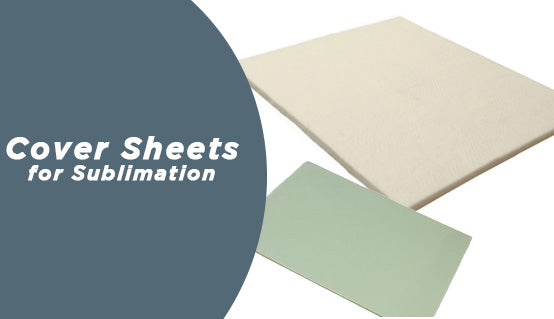
Cover Sheets for Sublimation

Cover Sheets for Sublimation Print Businesses


Protect Equipment and Maintain Clean, Consistent Transfers


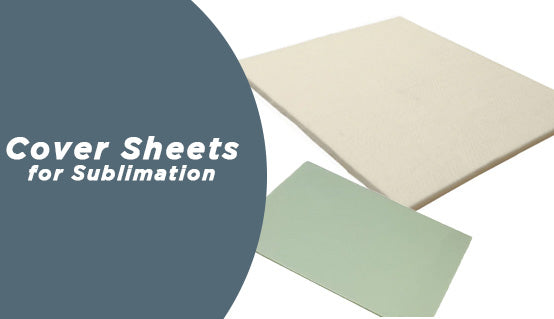
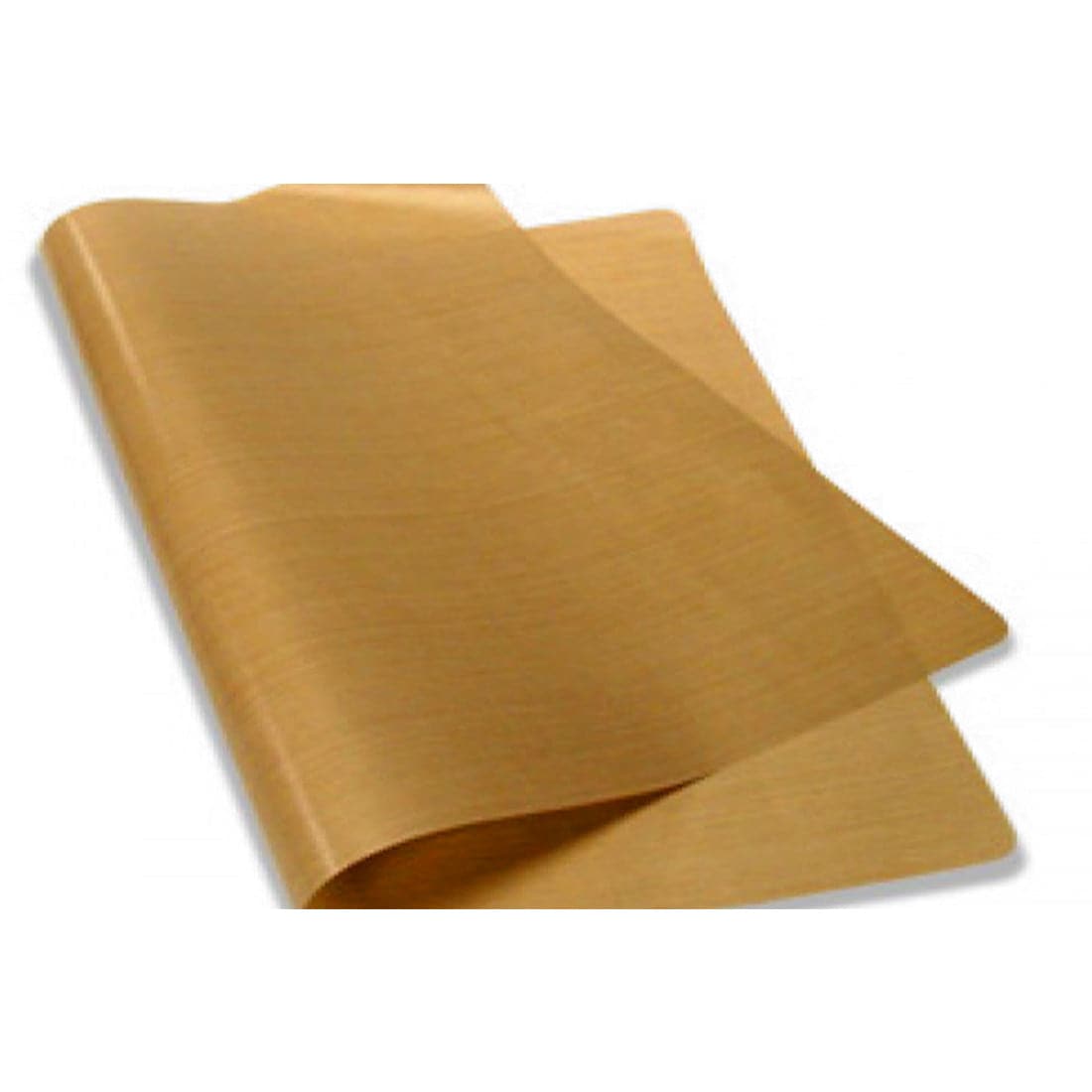
Cover sheets for sublimation help protect heat press platens and prevent ink blowout during transfer. Designed for repeat production environments, they support cleaner workflows, reduce rework, and help maintain consistent, retail-ready results.

Filter

7 products

  • Sort by

Frequently Asked Questions:

What are the primary uses for sublimation cover sheets?

Sublimation cover sheets are essential technical accessories designed to protect the upper heat press platen from ink migration and "blow-through" during the sublimation transfer process. These sheets act as a critical barrier that prevents residual dyes from contaminating the heating element, ensuring that subsequent projects remain free of unwanted stains or ghosting. Beyond equipment protection, they provide a layer of insulation that helps distribute heat evenly and shields delicate substrates from direct contact with high temperatures to prevent scorching. Implementing professional-grade cover sheets in your workflow is vital for maintaining consistent, high-fidelity results and extending the operational life of your heat press machinery.

What materials or heat-resistant substrates are compatible with the use of sublimation cover sheets?

Sublimation cover sheets are compatible with a wide range of heat-resistant substrates, including 100% polyester fabrics, poly-blended textiles, and polymer-coated rigid blanks like ceramics, stainless steel, and aluminum. These protective sheets, typically made of PTFE-coated fiberglass or parchment, are designed to withstand standard transfer temperatures between 350°F and 400°F without melting or degrading. By acting as a non-stick barrier, they protect both the substrate and the heat press platen from ink blow-through and adhesive residue, ensuring a clean finish on everything from performance apparel to photo panels. Utilizing high-quality cover sheets is essential for maintaining equipment longevity and achieving professional-grade results across all sublimation-ready materials.
How durable are sublimation cover sheets, and how should they be maintained to ensure long-term protection for your heat press?

Professional-grade Teflon sublimation cover sheets are highly durable and engineered to withstand repeated high-temperature cycles while effectively protecting your heat press platen from ink migration. To maintain long-term performance, regularly wipe reusable sheets with a soft cloth and isopropyl alcohol to remove any residual dye or adhesive buildup that could contaminate future transfers. While Teflon offers longevity, utilizing disposable butcher paper as an additional moisture-absorbent barrier can further prevent ghosting and ensure a clean production environment. Proper maintenance of these protective accessories is essential for consistent heat distribution and achieving gallery-quality results on every substrate.

How do I use cover sheets to protect my heat press during the sublimation process?

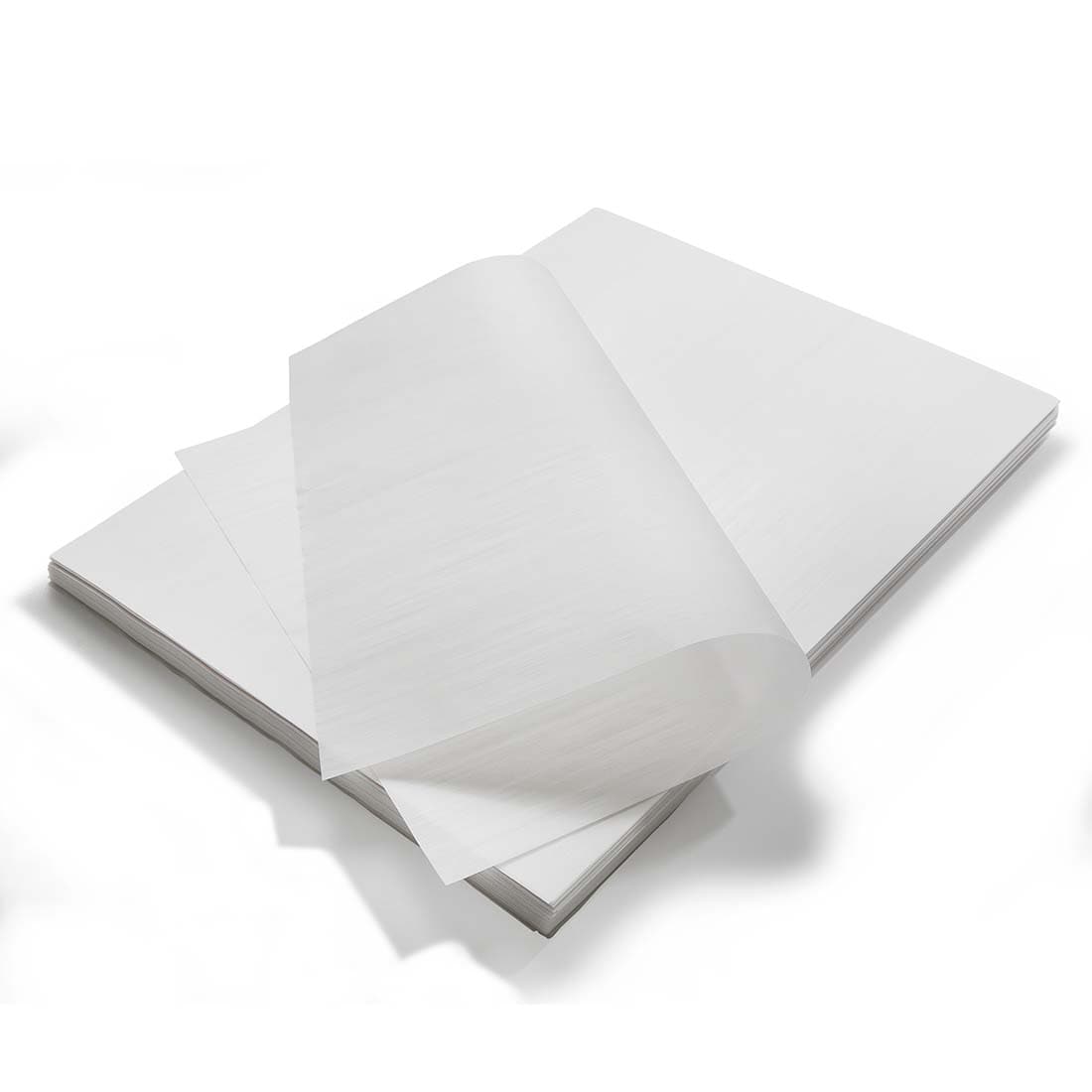
To use sublimation cover sheets, place a clean sheet of Teflon or butcher paper over your transfer and substrate to create a protective barrier for the upper heat press platen. This critical step prevents ink blow-through and gas-out from contaminating the heating element, ensuring subsequent projects remain free from ghosting or dye stains. By maintaining a clean pressing surface, you ensure consistent heat distribution and protect your equipment from long-term damage caused by residual sublimation dyes. Always replace disposable paper sheets or clean reusable Teflon covers regularly to maintain professional-grade transfer quality and equipment longevity.
Why is my sublimation design showing ink stains or ghosting from previous pressings when using a cover sheet?

Ink stains or ghosting when using a cover sheet typically occur due to ink blow-through from previous pressings that has contaminated the protective barrier. If using a reusable Teflon sheet, residual sublimation dyes trapped on the surface can reactivate and transfer onto your new substrate during the heat press cycle. To prevent this, we recommend using fresh, high-quality butcher paper for every press or thoroughly cleaning your silicone-coated sheets with isopropyl alcohol to ensure a pristine transfer environment. Maintaining clean cover sheets is essential for protecting your heat press platen and achieving high-definition, professional-grade results without unwanted dye migration.

How can I achieve professional-grade color vibrancy and prevent ink migration when using sublimation cover sheets?

To achieve professional-grade color vibrancy and prevent ink migration, always use a fresh sublimation cover sheet to protect your heat press platen from gaseous dye blow-through. These protective barriers ensure consistent heat distribution across the substrate while preventing residual ink from contaminating subsequent transfers and causing ghosting. For optimal results, utilize high-quality butcher paper or Teflon sheets to manage moisture and facilitate a clean, high-definition gas transfer into the polymer-coated blank. Maintaining a clean heating element with these essential accessories is critical for preserving brand authority and ensuring the longevity of your sublimation equipment.

How can using professional sublimation cover sheets reduce equipment maintenance costs and improve overall production profitability?

Using professional sublimation cover sheets significantly reduces equipment maintenance costs by preventing ink migration and blow-through from contaminating the upper heat press platen. These protective barriers eliminate the need for frequent, abrasive cleaning of the heating element, which extends the operational lifespan of your machinery and ensures consistent thermal distribution. By maintaining a clean production environment, businesses can minimize costly garment spoilage and downtime, directly improving overall production profitability and workflow efficiency. High-quality cover sheets are an essential investment for maintaining professional-grade standards and maximizing the ROI of your sublimation equipment.

What are the best practices for the safe handling and proper storage of sublimation cover sheets?

For safe handling, always use heat-resistant gloves when removing hot cover sheets from the heat press to prevent thermal burns. To ensure optimal performance and prevent contamination, store your silicone-treated or Teflon cover sheets flat in a cool, dry, low-humidity environment. Regularly inspect sheets for ink migration or physical damage, and clean or replace them immediately to maintain consistent pressure and protect your heat platen. Following these professional storage practices will extend the life of your equipment and ensure high-quality, ghost-free sublimation transfers.

How do sublimation cover sheets compare to using butcher paper or Teflon sheets for protecting your heat press?

Sublimation cover sheets, such as reusable Teflon or disposable butcher paper, are essential for protecting your heat press platen from ink blow-through and residual dye migration. While Teflon sheets offer long-term durability and a non-stick surface, they can trap moisture and require meticulous cleaning between cycles to prevent ghosting on future transfers. In contrast, uncoated butcher paper is often preferred for high-volume production because it effectively absorbs excess gas and moisture, ensuring a clean, moisture-free environment for every press. Utilizing the correct protective barrier is a critical technical step to maintain equipment longevity and ensure consistent, professional-grade color vibrancy across all your sublimation projects.

How can I optimize the placement and reuse of Teflon or butcher paper cover sheets to eliminate moisture-related gas-out and ensure consistent pressure across large-format sublimation transfers?

To eliminate moisture-related gas-out during large-format sublimation, we recommend using fresh butcher paper cover sheets as they effectively absorb humidity that can cause image blurring. Always ensure your cover sheet is laid perfectly flat and extends beyond the transfer area to provide uniform platen pressure and prevent ink blow-through from contaminating your heat press. While Teflon sheets are reusable after a thorough cleaning, butcher paper should be discarded if ink migration is visible to avoid ghosting or staining on subsequent production runs. This systematic approach to cover sheet management ensures professional-grade results and maintains the technical integrity of your high-volume sublimation workflow.

aaa

Drawer Title

Similar Products