Skip to content
en
USD

Score a Goal With the Best Prices

Shop Now

DTG Printers

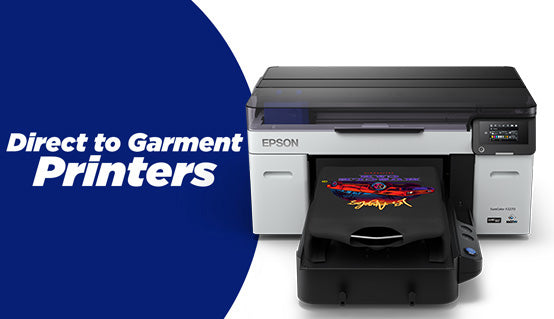
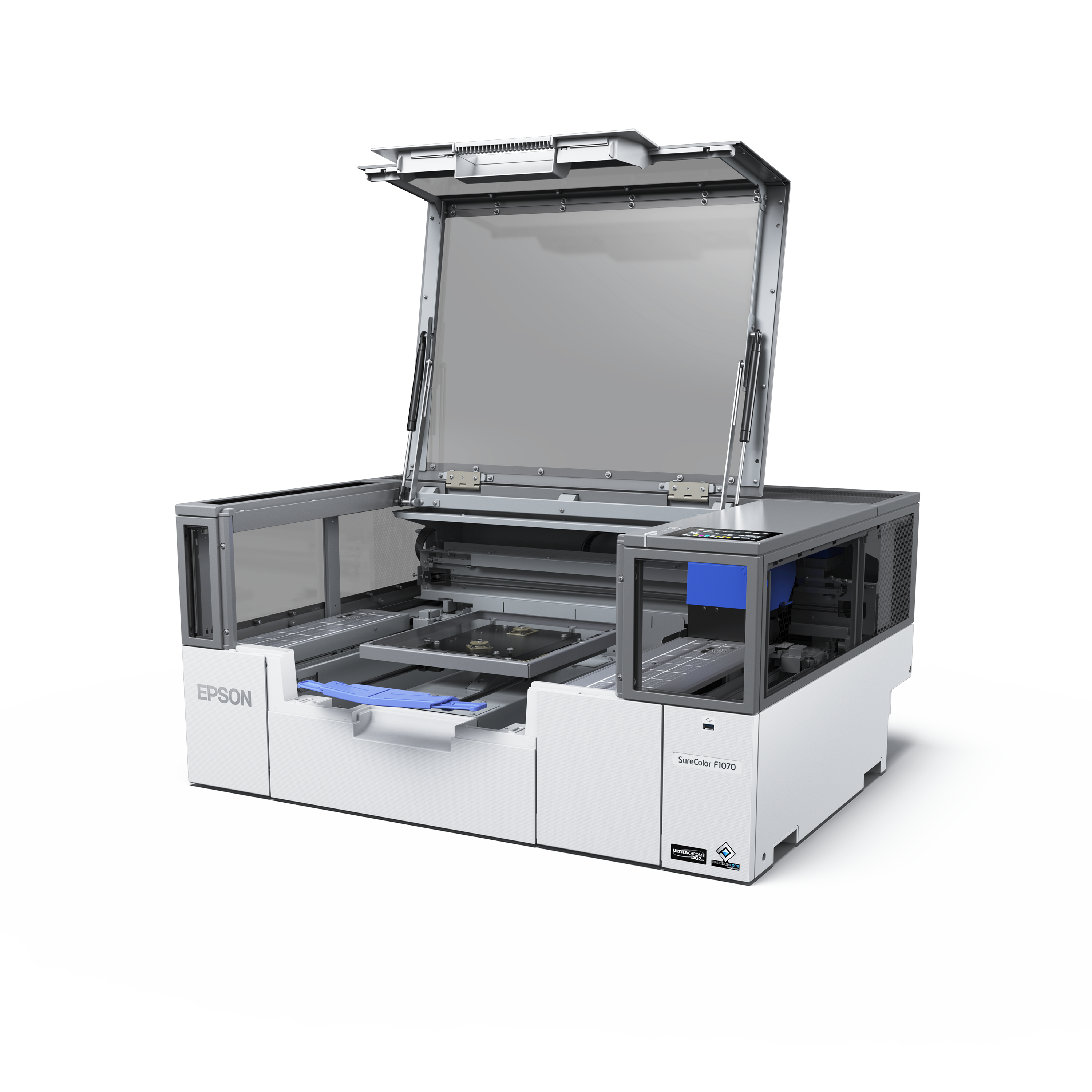
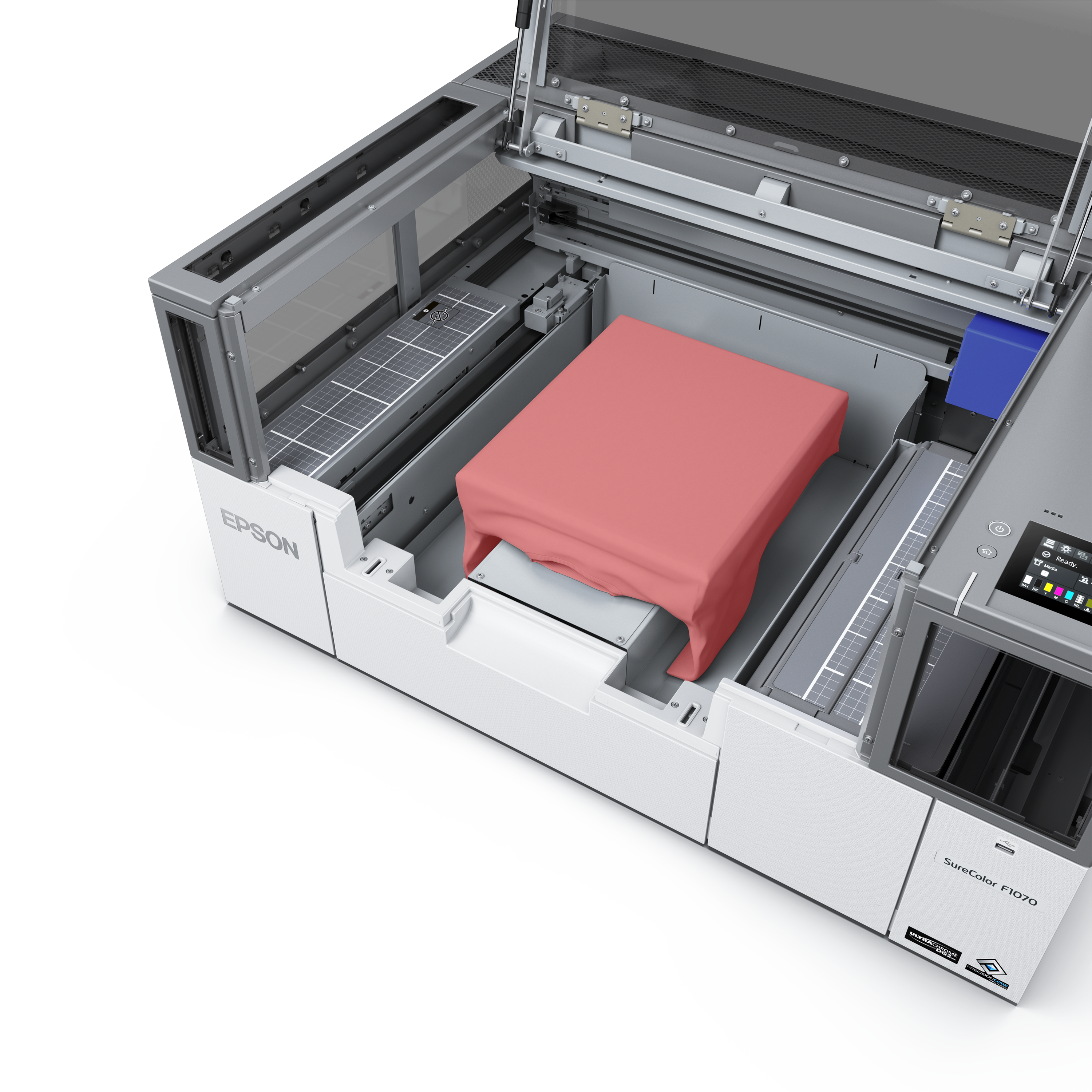
DTG Printers for Professional Garment Printing Businesses


Print Detailed, Full-Color Designs Directly on Apparel


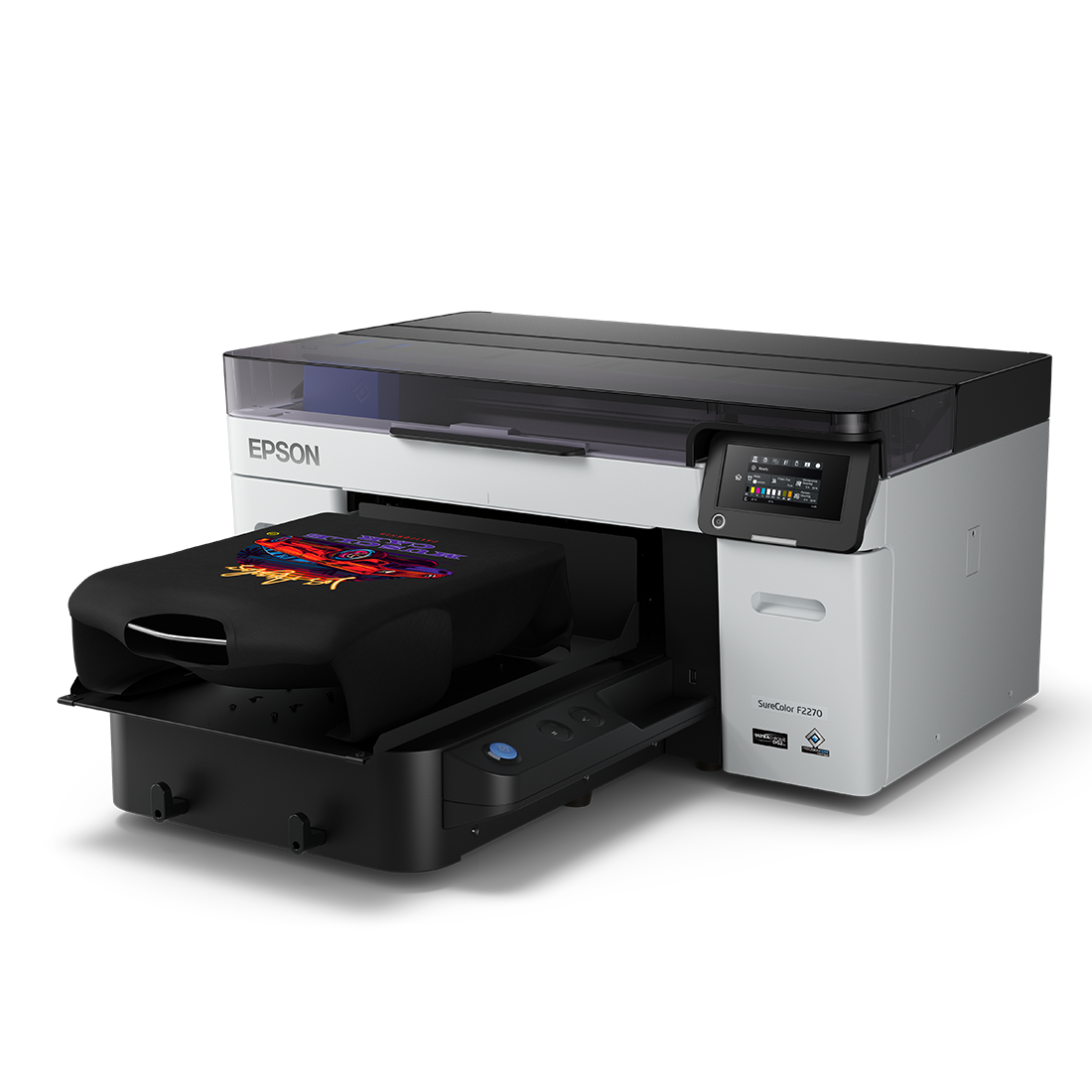
Explore DTG printers built for businesses producing custom t-shirts and apparel for resale. Designed for accurate color reproduction and reliable daily output, these systems support efficient workflows and consistent, retail-ready results.

Filter

2 products

  • Sort by

Frequently Asked Questions:

What is a DTG printer used for?

Direct-to-garment (DTG) printers are engineered to apply specialized water-based inkjet technology directly onto textiles, making them ideal for high-resolution, full-color decorations on cotton-rich apparel. This digital method excels in producing intricate graphics, photographic details, and complex gradients with a soft-hand feel that traditional screen printing cannot easily replicate. At Joto Imaging Supplies, our DTG systems support efficient small-batch production and on-demand fulfillment by eliminating the need for costly setup and physical screens. Whether you are creating custom t-shirts, hoodies, or tote bags, DTG printing provides a sustainable and versatile solution for businesses of all sizes.
What fabrics and materials are compatible with DTG printers?

Direct-to-Garment (DTG) printers are optimized for 100% natural fibers, such as ring-spun or combed cotton and linen, which provide superior absorption for water-based pigmented inks. For high-performance results on synthetic blends, we recommend utilizing textiles with at least 50% to 80% cotton content to ensure proper ink adhesion and wash fastness. While advanced pretreatment chemistries now enable printing on certain polyester and tri-blend substrates, maintaining a high natural fiber count is essential for achieving maximum color vibrancy and photorealistic detail. At Joto Imaging Supplies, we emphasize using smooth, tight-weave garments to create an optimal printing surface for professional-grade, soft-hand finishes.
How long do DTG prints last on a garment after repeated washing?

High-quality DTG prints are engineered for industrial-grade durability, typically maintaining their vibrancy and structural integrity for 50 or more wash cycles when applied to 100% cotton substrates. To maximize longevity, it is essential to utilize professional-grade pretreatments and ensure the water-based pigmented inks are fully cross-linked through precise heat press curing at the manufacturer’s recommended temperature and dwell time. We recommend washing garments inside out in cold water and avoiding high-heat drying to preserve the soft-hand feel and prevent premature fading of high-resolution digital graphics. By following these technical best practices, your DTG-printed apparel will sustain professional-level color fastness throughout the standard life of the garment.

How do you print a high-quality design using a DTG printer?

To achieve a high-quality DTG print, begin by applying an even coat of pre-treatment solution to the garment and curing it with a professional heat press to flatten fibers and create a smooth surface. Use high-resolution artwork at 300 DPI or higher within your RIP software to ensure sharp detail and accurate color reproduction through the specialized inkjet print heads. After the digital printing process is complete, perform a final cure using a heat press or conveyor dryer at the recommended temperature to permanently bond the water-based inks to the textile fibers. Following these technical steps ensures industrial-grade wash fastness and vibrant, soft-hand finishes for professional custom apparel.

How can I resolve issues with clogged printheads or banding in my DTG printer designs?

To resolve clogged printheads and banding in your DTG printer, start by performing a nozzle check to identify blocked channels and run automated cleaning cycles to flush out dried pigment. For stubborn clogs, manually clean the capping station, wiper blade, and printhead edges using specialized foam-tipped swabs and approved cleaning solutions to ensure a proper seal and consistent ink flow. It is critical to maintain a stable production environment with humidity levels between 40% and 60% and to agitate white ink daily to prevent the sedimentation of titanium dioxide. Consistently following these professional maintenance protocols and using high-resolution files will eliminate printing gaps and ensure vibrant, industrial-grade results for your custom apparel.

How can I achieve professional-level color vibrancy and high-resolution detail with DTG printers?

To achieve professional-level color vibrancy and high-resolution detail with DTG printers, it is essential to utilize high-quality water-based pigment inks paired with optimized ICC profiles for precise color management. Maintaining a consistent environment with controlled humidity prevents nozzle clogging and ensures stable ink flow, which is critical for preserving fine-line gradients and crisp photographic details. For the best results on dark garments, applying a precise amount of pretreatment and using a high-performance white ink base will maximize opacity and color brightness. At Joto Imaging Supplies, we recommend using professional-grade platens and calibrated heat presses to ensure even curing, which locks in the vibrant finish and enhances the long-term durability of the print.

How can investing in a DTG printer improve the cost-effectiveness and scalability of my custom apparel business?

Investing in a DTG printer enhances cost-effectiveness by eliminating the high setup costs, screen preparation, and labor-intensive processes associated with traditional screen printing, especially for low-volume and one-off custom orders. This digital technology allows for high-resolution, full-color printing on demand, enabling your business to handle complex graphics with rapid turnaround times and minimal material waste. By utilizing advanced inkjet systems from Joto Imaging Supplies, you can achieve scalable production across various cotton and blended textiles while maintaining professional-grade durability and high-profit margins. This streamlined workflow optimizes operational efficiency, allowing your custom apparel business to grow seamlessly from small batches to consistent commercial output.

What are the best practices for the proper storage and safety maintenance of DTG printers to ensure long-term performance?

To ensure the long-term performance of your DTG printer, maintain a climate-controlled environment with a consistent humidity level between 40% and 60% to prevent ink dehydration and printhead clogging. Implement a rigorous daily maintenance routine that includes nozzle checks, cleaning the capping station, and agitating white ink tanks to prevent titanium dioxide sedimentation. For extended periods of inactivity, utilize professional-grade flushing solutions to protect the piezoelectric internal components and avoid permanent hardware damage. By following these technical best practices from Joto Imaging Supplies, you optimize equipment reliability and sustain high-resolution print quality across your production workflow.

How do DTG printers compare to screen printing or sublimation for custom apparel decoration?

Direct-to-Garment (DTG) printing offers a high-resolution, full-color alternative to screen printing by eliminating costly screen setups for low-volume, complex designs on 100% cotton textiles. While sublimation is limited to light-colored polyester and provides a permanent gas-infused bond, DTG utilizes water-based inkjet technology to produce soft-hand, photorealistic prints on both light and dark natural fibers. Joto Imaging Supplies recommends DTG for on-demand customization and intricate graphics that require superior detail and color gradients without the substrate restrictions of sublimation or the high minimums of traditional screen printing. This digital workflow maximizes production efficiency for boutique apparel brands by supporting rapid prototyping and seamless personalization.
How can I optimize pretreat saturation and heat press dwell times to achieve maximum wash fastness and color consistency on high-density 100% cotton garments?

To optimize wash fastness on high-density 100% cotton, target a pretreat saturation of 28 to 32 grams per 14" x 17" area to ensure the solution penetrates deep into the fibers without causing surface buildup. For heat press curing, utilize a consistent temperature of 330°F (166°C) for 30 to 60 seconds at medium pressure to fully evaporate moisture and create a smooth, stabilized printing surface. At Joto Imaging Supplies, we recommend using a silicone-treated parchment sheet to wick away moisture and prevent the white ink from sinking into the fabric, which is essential for maintaining color consistency and industrial-grade durability. By documenting these precise settings and performing regular wash tests, you can achieve a professional-grade finish that resists cracking and fading over time.

aaa

Drawer Title

Similar Products