











Skip to content
en
USD

Score a Goal With the Best Prices

Shop Now

Sublimation Oven

Sublimation Ovens for Drinkware & Hard Goods Production


Even Heat Circulation for Consistent Sublimation Results


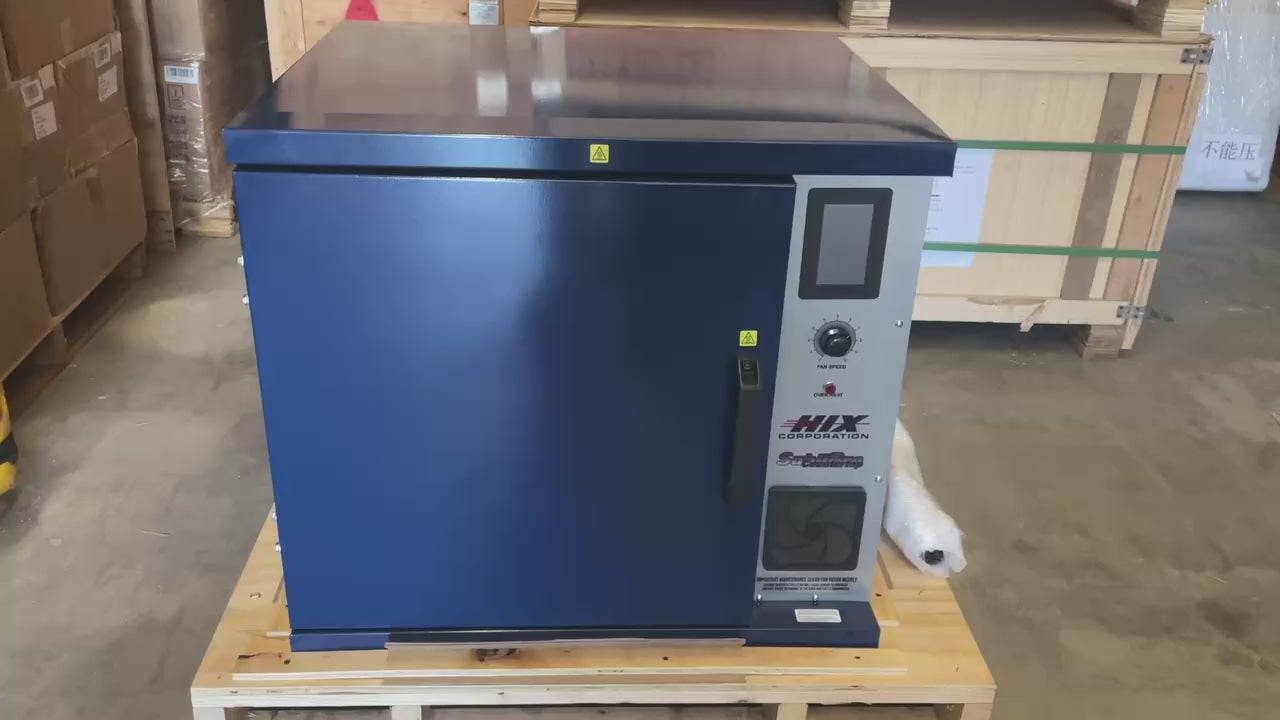
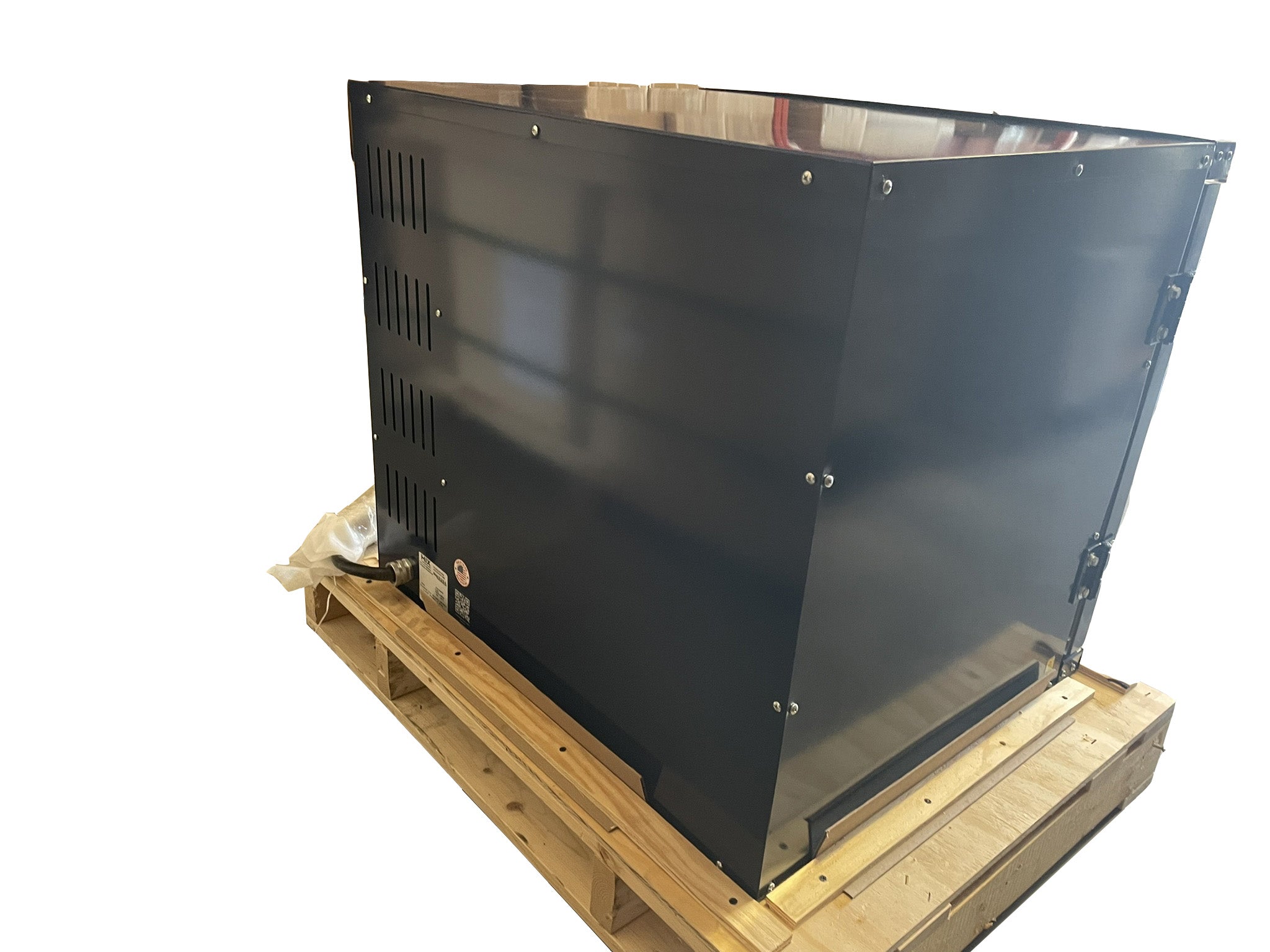
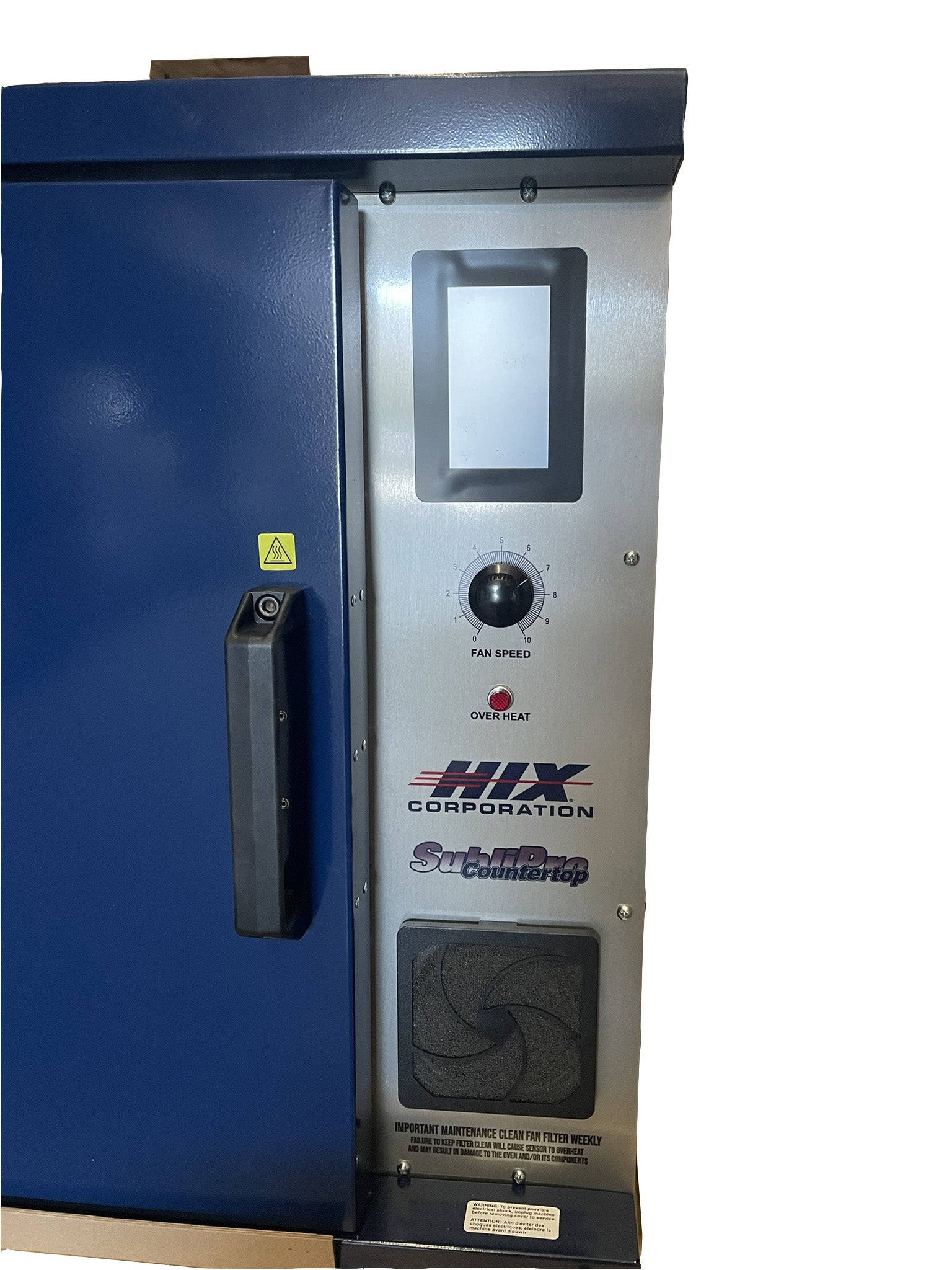
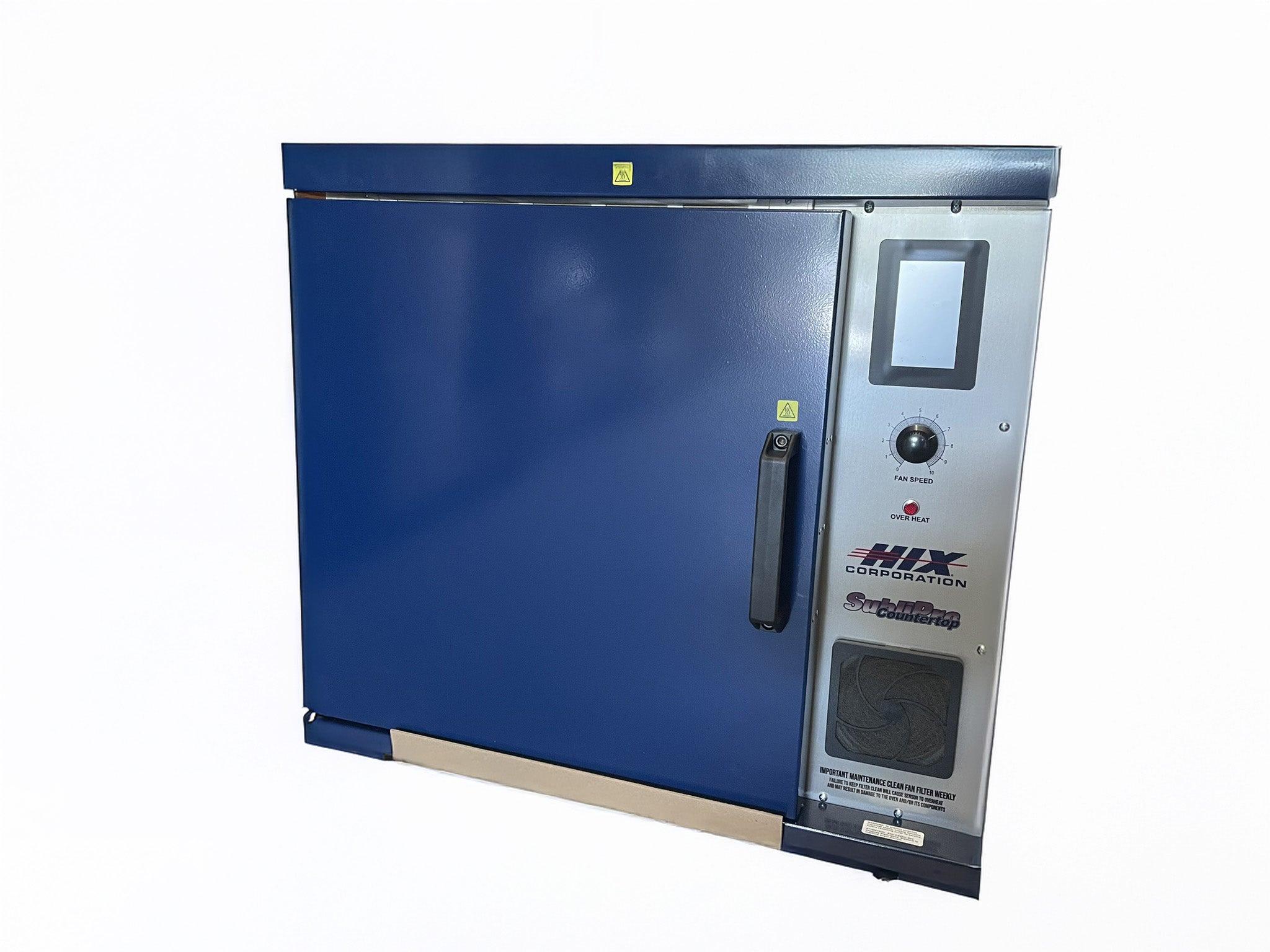
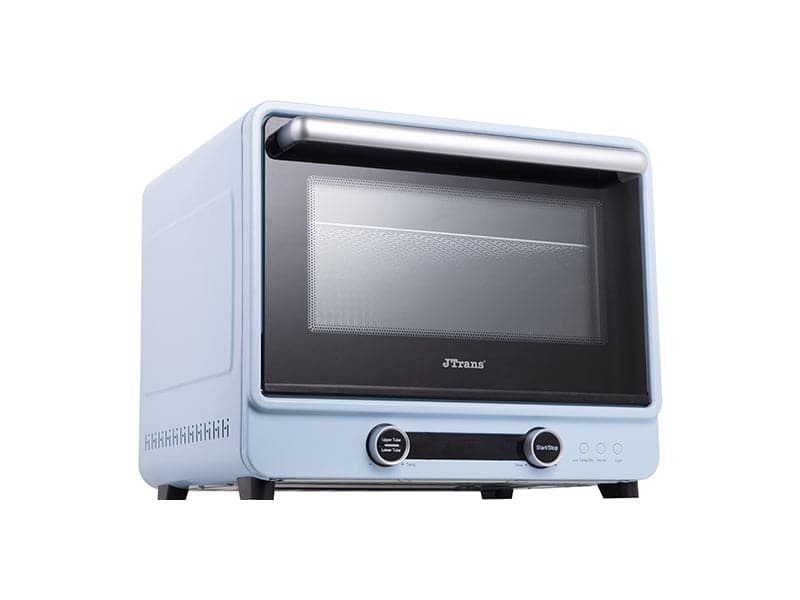
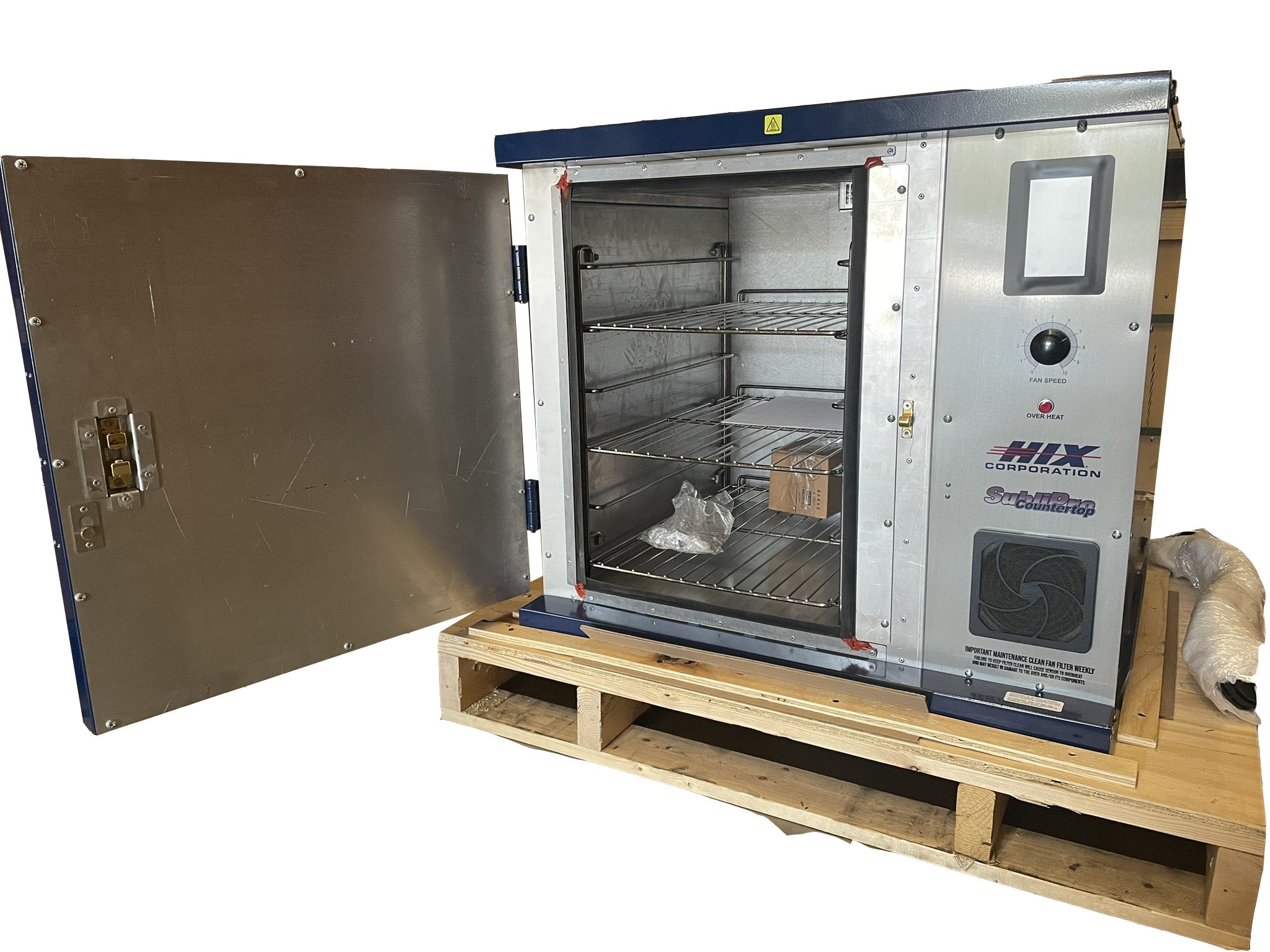
Convection ovens support full-wrap sublimation on mugs, tumblers, and specialty hard goods. Designed for uniform heat distribution and controlled temperature stability, they help maintain consistent transfers and efficient batch production.
Filter

3 products

  • Sort by

Frequently Asked Questions:

What are the primary uses for a sublimation convection oven?

Sublimation convection ovens are primarily used to transfer high-resolution graphics onto 3D sublimation blanks, including tapered tumblers, ceramic mugs, and irregular drinkware that may not fit standard heat presses. By utilizing forced air circulation, these ovens ensure consistent heat distribution and molecular ink bonding when paired with shrink wrap or silicone sleeves for even pressure. This versatile equipment allows businesses to scale production by sublimating multiple items simultaneously while achieving vibrant, durable, and professional-grade results.

What specific material requirements or coatings are needed for substrates to be compatible with a sublimation convection oven?

To be compatible with a sublimation convection oven, substrates must feature a specialized polyester or polymer coating that allows sublimation inks to molecularly bond under high heat. While these ovens are ideal for 3D items like stainless steel tumblers and ceramic mugs, the blank must be heat-stable and specifically designed to withstand the required 350°F to 400°F transfer temperatures. Without this essential poly-coating, the sublimation gas cannot penetrate the surface, resulting in failed transfers and poor color durability. Always ensure your drinkware or 3D substrates are explicitly labeled for sublimation to guarantee professional-grade vibrancy and long-term resistance to fading.

How should I clean and maintain my sublimation convection oven to ensure its long-term performance and durability?

To maintain your sublimation convection oven, regularly wipe the interior with a soft cloth to remove any adhesive or ink residue that may have off-gassed during the heating process. Periodically calibrate the oven's temperature using a secondary digital thermometer to ensure consistent heat distribution and precise molecular ink bonding for your 3D substrates. Inspect the door gaskets and fan motor for wear to prevent heat loss and ensure optimal airflow throughout the chamber. Adhering to these maintenance protocols will extend the lifespan of your equipment and guarantee professional-grade transfer results for every production batch.

How do I use a convection oven to sublimate custom designs onto drinkware and 3D substrates?

To sublimate custom designs onto drinkware and 3D substrates using a convection oven, start by tightly securing your mirrored sublimation transfer to the poly-coated blank with heat-resistant tape. Slide the substrate into a sublimation shrink sleeve and use a heat gun to ensure the film conforms perfectly, providing the 360-degree pressure necessary for a high-definition transfer. Process the assembly in a calibrated convection oven at approximately 375°F to 400°F for the recommended dwell time to facilitate a complete molecular ink bond. Once the cycle concludes, carefully remove the shrink wrap and transfer paper while the item is hot to reveal a vibrant, durable, and professional-grade finish.

Why is my sublimation design appearing faded or uneven after heating in the convection oven?

Faded or uneven sublimation designs in a convection oven typically result from inconsistent heat distribution or insufficient dwell time and temperature settings. To ensure uniform results, it is critical to use a calibrated oven thermometer to verify that the forced air circulation is maintaining a stable environment, as internal cold spots can lead to incomplete ink gas-out. Additionally, ensure that your shrink sleeves or silicone wraps are applying firm, 360-degree pressure to keep the transfer paper in direct contact with the poly-coated substrate throughout the entire heating cycle. Utilizing professional-grade sublimation paper and precisely timed intervals will help eliminate fading and achieve the vibrant, high-definition finish required for quality custom drinkware.

How can I achieve professional-grade color vibrancy and sharp details when using a sublimation convection oven?

To achieve professional-grade color vibrancy and sharp details in a sublimation convection oven, you must ensure the oven is accurately calibrated to maintain a consistent temperature throughout the heating cycle. Using high-quality sublimation paper and premium inks is essential for facilitating a complete molecular bond with the poly-coated substrate. We also recommend utilizing heat shrink sleeves or silicone wraps to provide the necessary 360-degree pressure, which prevents ghosting and ensures crisp image definition. Consistent airflow within the oven is critical to eliminate cold spots, resulting in uniform, high-definition transfers on all your 3D sublimation blanks.

How can using a sublimation convection oven improve your business's production efficiency and overall profitability?

Implementing a sublimation convection oven into your workflow significantly boosts production efficiency by allowing for the simultaneous processing of multiple 3D substrates and irregularly shaped drinkware. The forced air circulation ensures consistent thermal distribution, which reduces waste from uneven transfers and maximizes your overall yield. By accommodating high-volume batches of full-wrap tumblers and mugs, these ovens lower your cost-per-unit and increase profitability compared to single-item heat presses. This versatile equipment maximizes ROI by expanding your product catalog to include high-margin, complex items that command premium retail pricing.

What are the best practices for the safe handling and proper storage of sublimation convection ovens?

For safe operation, always place your sublimation convection oven on a stable, heat-resistant surface in a well-ventilated area to effectively dissipate any gases released during the ink gasification process. Operators must utilize high-quality heat-resistant gloves when handling hot substrates and internal components to prevent thermal injuries from high transfer temperatures. To maintain long-term performance and thermal consistency, store the oven in a clean, dry environment and ensure the heating elements and fan stay free of dust and adhesive residue. Unplugging the unit when not in use and allowing it to cool completely before performing maintenance is essential for preserving the lifespan of this professional sublimation equipment.

How do sublimation convection ovens compare to traditional heat presses for decorating irregularly shaped or oversized items?

Sublimation convection ovens offer a significant advantage over traditional heat presses by utilizing forced air circulation to provide consistent, 360-degree heat distribution for irregularly shaped or oversized 3D substrates. While standard heat presses are limited by flat platens or specific cylindrical attachments, convection ovens accommodate tapered tumblers, pet bowls, and large drinkware when paired with heat-shrink sleeves or silicone wraps to ensure uniform pressure. This versatile method eliminates the contact area restrictions of mechanical presses, allowing for full-wrap designs and high-volume production of complex items with professional-grade color vibrancy. By investing in a sublimation oven, businesses can expand their product catalog beyond standard blanks while maintaining the high-definition transfer quality essential for premium branding.

How can I optimize airflow patterns and thermal consistency within a convection oven to eliminate cold spots and ensure perfectly uniform color across full-wrap sublimation batches?

To optimize airflow and thermal consistency in a sublimation convection oven, ensure proper spacing between substrates to allow the forced air to circulate freely around each item. Utilizing a secondary internal thermometer and a rotating rack can help identify and eliminate cold spots, ensuring even heat distribution for full-wrap designs. Additionally, preheating the oven thoroughly and avoiding overcrowding prevents significant temperature drops that can lead to inconsistent ink bonding and color shifts. Maintaining a calibrated environment is essential for achieving professional-grade, uniform results across every batch of sublimated drinkware.

aaa

Drawer Title

Similar Products