Skip to content
en
USD

Score a Goal With the Best Prices

Shop Now

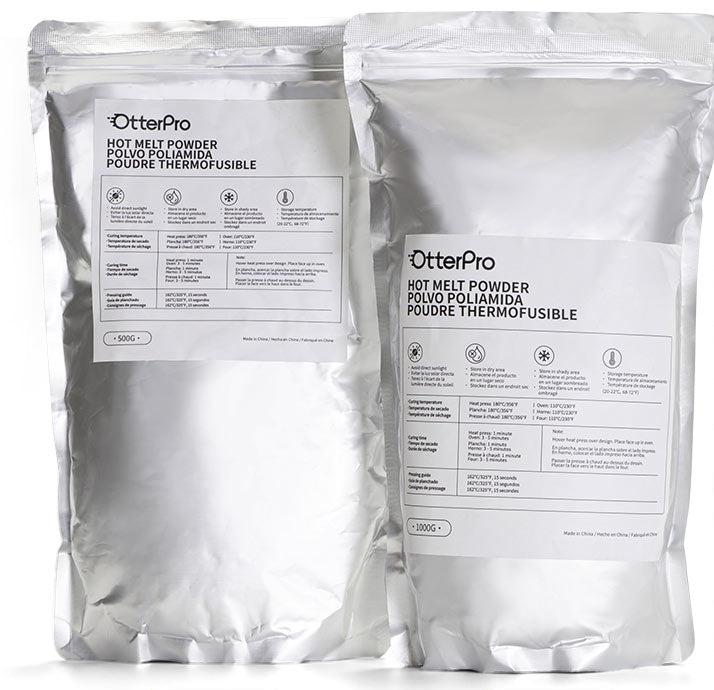
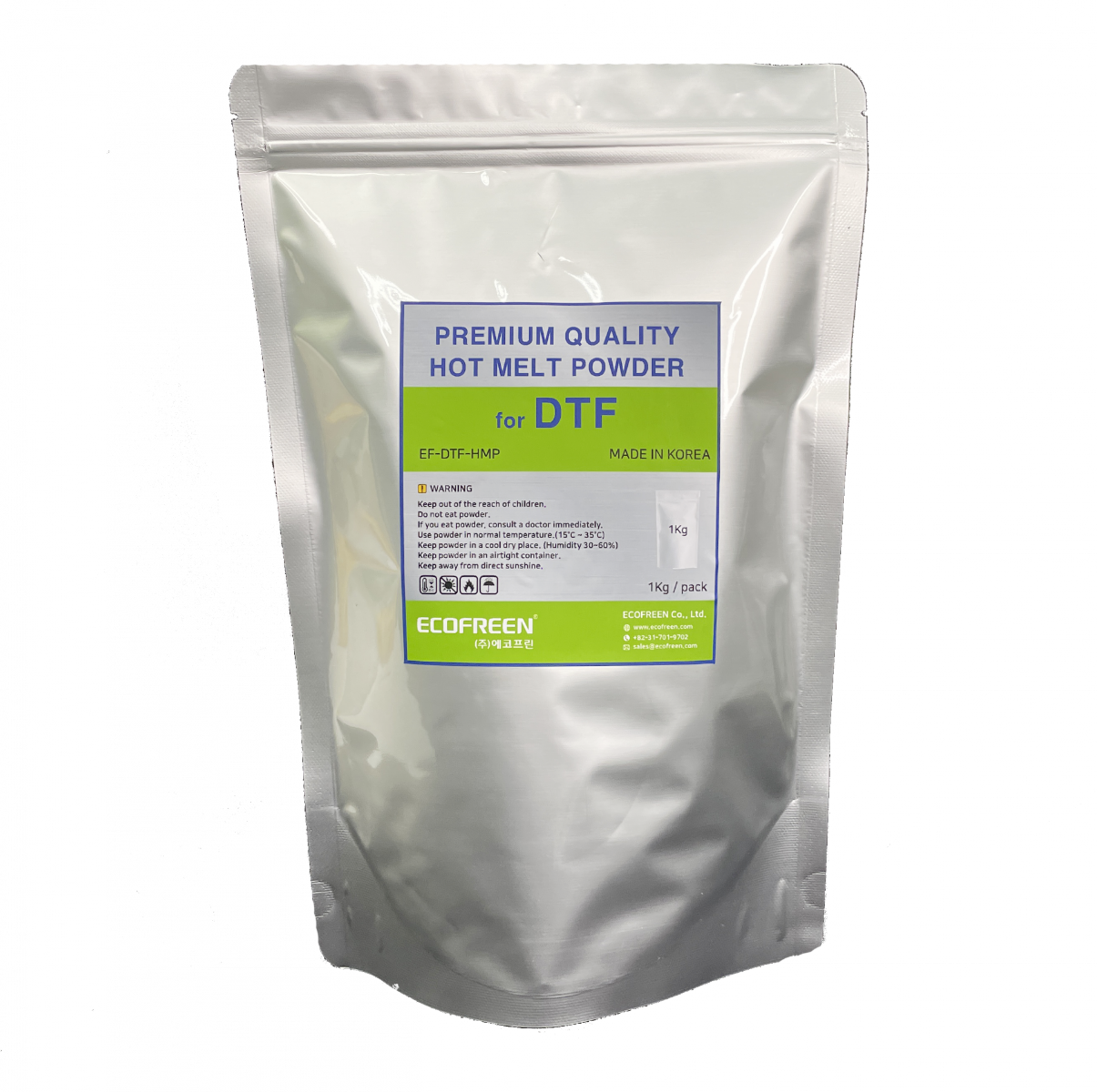
DTF White Powder


DTF White Powder for Professional Apparel Printing


Ensure Strong Bonding and Consistent Wash Durability


Shop DTF white powder formulated for reliable adhesion in daily garment production.
Deliver smooth melt performance, even coating, and consistent curing results across batches.
Ideal for producing durable, retail-ready transfers for resale apparel lines.

Filter

2 products

  • Sort by

Frequently Asked Questions:

What is the primary use for Joto's DTF white powder in the garment decoration process?

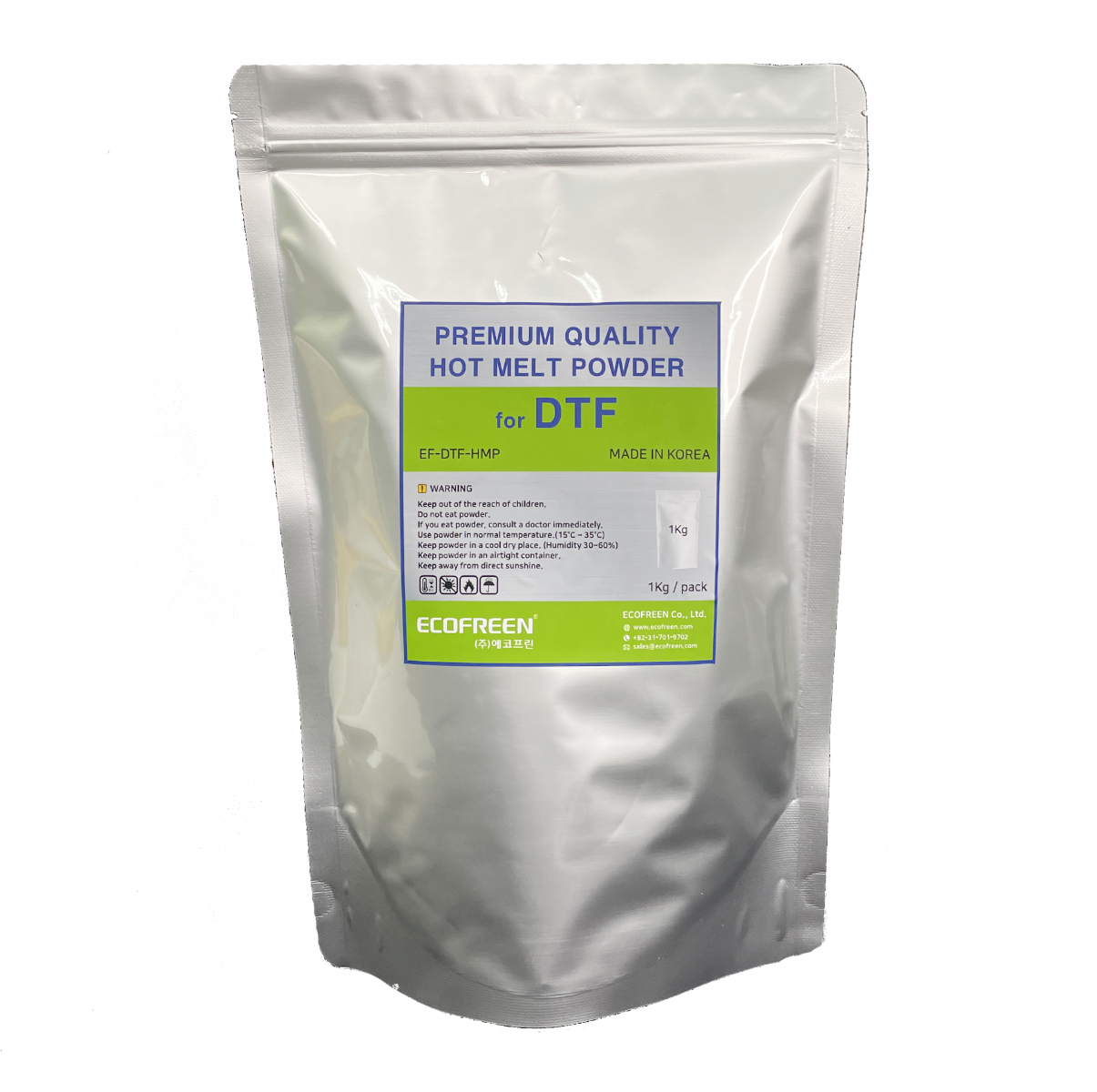
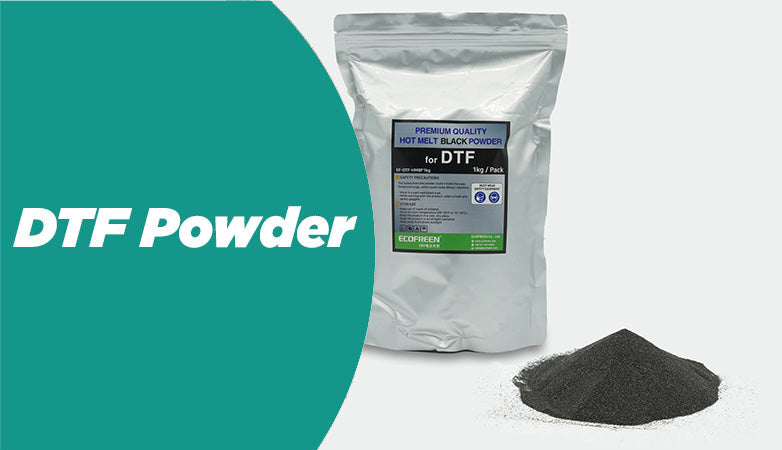
Joto's DTF white powder is a specialized hot-melt adhesive used to bond printed designs from transfer film onto various light-colored and white fabrics. This high-purity polyurethane powder is applied to wet ink, creating a durable and flexible layer that ensures exceptional wash fastness and a soft hand feel. By acting as a critical binding agent, it enables vibrant, high-resolution transfers on materials such as cotton, polyester, and blends without the need for complex pretreatment.

What types of transfer films and garment materials are compatible with Joto's DTF white powder for optimal adhesion?

Joto’s DTF white powder is specifically engineered for high-performance compatibility with both hot-peel and cold-peel Direct-to-Film transfer films to ensure a soft hand feel and superior wash resistance. This premium TPU adhesive provides exceptional bonding on a diverse range of garment materials, including 100% cotton, polyester, nylon, and various poly-cotton blends. For optimal results, ensure the powder is evenly applied to the printed film and cured at the recommended temperature to create a durable, flexible base for intricate apparel designs. Utilizing these technical-grade supplies allows businesses to achieve professional-grade adhesion and vibrant color reproduction across multiple textile substrates.

How can I ensure the long-term durability and proper wash fastness of garments customized with DTF white powder?

To ensure the long-term durability and superior wash fastness of garments customized with Joto’s DTF white powder, it is critical to achieve a complete melt during the curing process until the adhesive reaches an orange-peel texture at approximately 300-325°F. For the strongest mechanical bond, heat press the transfer onto the textile for 15-20 seconds with medium pressure, allowing the adhesive to deeply penetrate the fabric fibers. Instruct end-users to launder finished apparel inside out in cold water and avoid harsh detergents or high-heat drying to preserve the elasticity and vibrant color of the transfer. Following these technical application and care protocols will maintain the professional finish and integrity of your DTF prints through repeated wash cycles.

How do you properly apply and cure Joto’s DTF white powder to ensure a durable and professional finish on your garments?

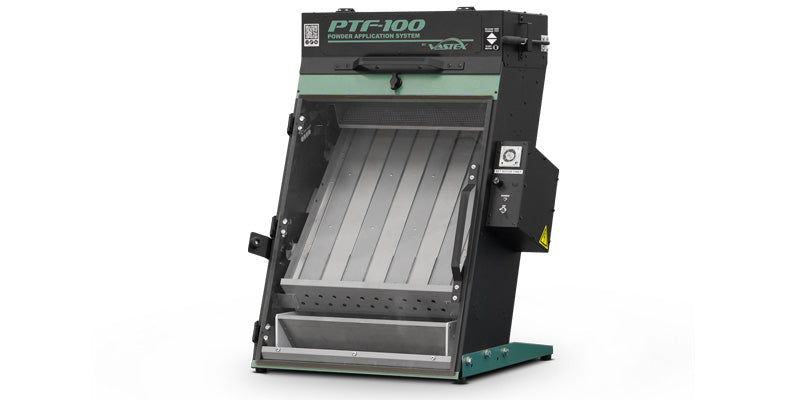
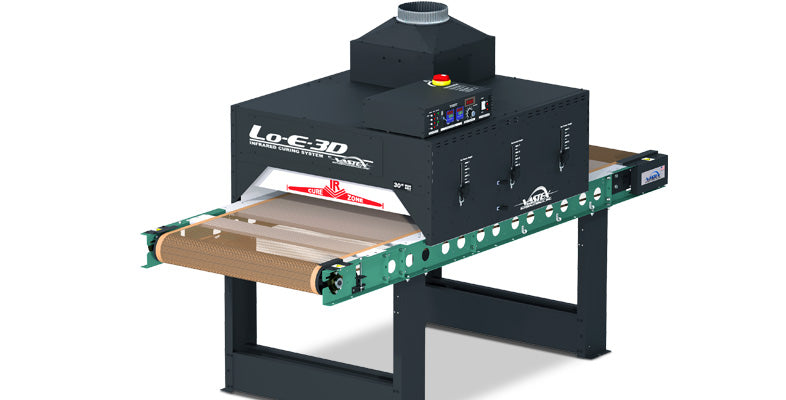
To properly apply Joto’s DTF white powder, evenly coat the wet ink on your printed film by using an automated powder shaker or manual rotation to ensure the adhesive bond is consistent across the entire graphic. Once coated, vibrate the film to remove excess TPU powder before curing the transfer in a specialized DTF oven or under a heat press at 230°F to 250°F (110°C to 120°C) for approximately 2 to 3 minutes until the powder reaches a melted, orange-peel texture. For the final application, heat press the cured transfer onto your garment at 300°F to 320°F (150°C to 160°C) with medium-to-firm pressure to achieve a durable, professional finish with excellent wash resistance. Consistently monitoring your curing temperature and dwell time is essential to prevent scorching the film while ensuring the adhesive is fully activated for a long-lasting garment decoration.

What are the most common mistakes to avoid when applying or curing DTF white powder to ensure optimal adhesive performance and prevent print defects?

One frequent error is the uneven or insufficient application of DTF white powder, which leads to weak adhesive bonds, localized peeling, and premature cracking of the transfer. To maintain professional-grade durability, avoid under-curing the hot-melt adhesive or exposing it to unstable humidity, as moisture absorption causes clumping and inconsistent melting. Additionally, rushing the powder application before the ink has properly gelled can create pits and surface defects that compromise the final print's texture and detail. Ensuring a calibrated curing temperature of 320°F to 340°F and implementing a thorough shake-off of excess powder are critical technical steps for achieving optimal adhesion and a high-end finish.

How can I achieve professional-grade color vibrancy and print quality when using Joto's DTF white powder?

To achieve professional-grade color vibrancy and print quality with Joto’s DTF white powder, start by ensuring your DTF printer is calibrated with high-resolution ICC profiles to optimize ink density on the transfer film. Apply the premium thermoplastic adhesive while the ink is wet and cure it until it reaches a consistent "orange peel" texture, which creates a high-opacity base that prevents dye migration on light-colored garments. Maintaining a controlled production environment with 40-60% humidity prevents powder clumping and static, ensuring a smooth, uniform layer for sharp, detailed transfers. By utilizing Joto’s high-purity polyurethane powder, you ensure superior ink adhesion and color saturation that remains vivid and crack-resistant even after extensive wash cycles.

How can switching to high-quality DTF white powder improve my business's overall cost-effectiveness and production efficiency?

Utilizing high-quality DTF white powder enhances production efficiency by providing superior flowability and uniform particle size, which ensures consistent application and reduces material waste in automated shaker systems. This premium TPU-based adhesive streamlines workflows through faster curing times and reliable bonding, minimizing the need for expensive reprints and labor-intensive quality corrections. By ensuring high-resolution graphics with excellent wash fastness and stretchability, businesses can maximize their profit margins while delivering durable, professional-grade transfers across a wide range of fabric substrates.

What are the recommended storage conditions and safety precautions for DTF white powder to ensure its longevity and performance?

To ensure the longevity and peak performance of Joto’s DTF white powder, store the adhesive in a climate-controlled environment with a stable temperature between 59°F and 77°F (15°C–25°C) and relative humidity below 50%. Utilize airtight, moisture-proof containers with silica gel desiccant packs to prevent the highly hygroscopic powder from clumping or oxidizing due to air exposure. For optimal safety and quality, keep the material away from direct sunlight, heat sources, and static-prone environments, always resealing the container immediately after use to maintain its technical integrity. Implementing a first-in, first-out (FIFO) inventory system will ensure you are always using the freshest adhesive for consistent, high-quality garment transfers.
How does using DTF white powder compare to traditional screen printing or embroidery for creating durable and vibrant custom garment transfers?

Joto’s DTF white powder offers a superior, cost-effective alternative to screen printing and embroidery by enabling high-resolution, full-color transfers without expensive setup fees or complex digitizing. This specialized adhesive thermoplastic ensures excellent wash fastness and flexibility on various fabrics, outperforming the rigidity of high-stitch-count embroidery and the heavy hand feel of thick screen-printed plastisol. While embroidery provides a classic tactile texture, our DTF white powder delivers a soft, lightweight finish that maintains vibrant color integrity and prevents cracking over time. Integrating DTF technology into your workflow maximizes production efficiency for small-to-medium runs by eliminating time-consuming screen preparation and thread color limitations.

How can you calibrate TPU adhesive powder grain size and melting temperature profiles to ensure maximum bond strength and soft-hand feel when working with high-density DTF prints on heat-sensitive performance fabrics?

To ensure maximum bond strength and a soft-hand feel on high-density DTF prints, select a fine-grain TPU adhesive powder typically ranging from 80 to 170 microns for superior penetration into performance fabric fibers. Calibrate your curing equipment to a low-melt temperature profile between 250°F and 300°F to prevent scorching heat-sensitive synthetics while ensuring the powder reaches a full molten state for optimal adhesion. Utilizing an automated shaker for uniform dtf-white-powder application prevents heavy deposits, maintaining the garment's natural elasticity and breathability. By precisely controlling these technical variables, you achieve industrial-grade wash fastness and the premium, lightweight finish expected from Joto Imaging Supplies.


aaa

Drawer Title

Similar Products