Skip to content
en
USD

Score a Goal With the Best Prices

Shop Now

Large Format Presses

Large Format Presses for Oversized Transfer Production


Apply Wide Graphics with Even Pressure and Heat Control


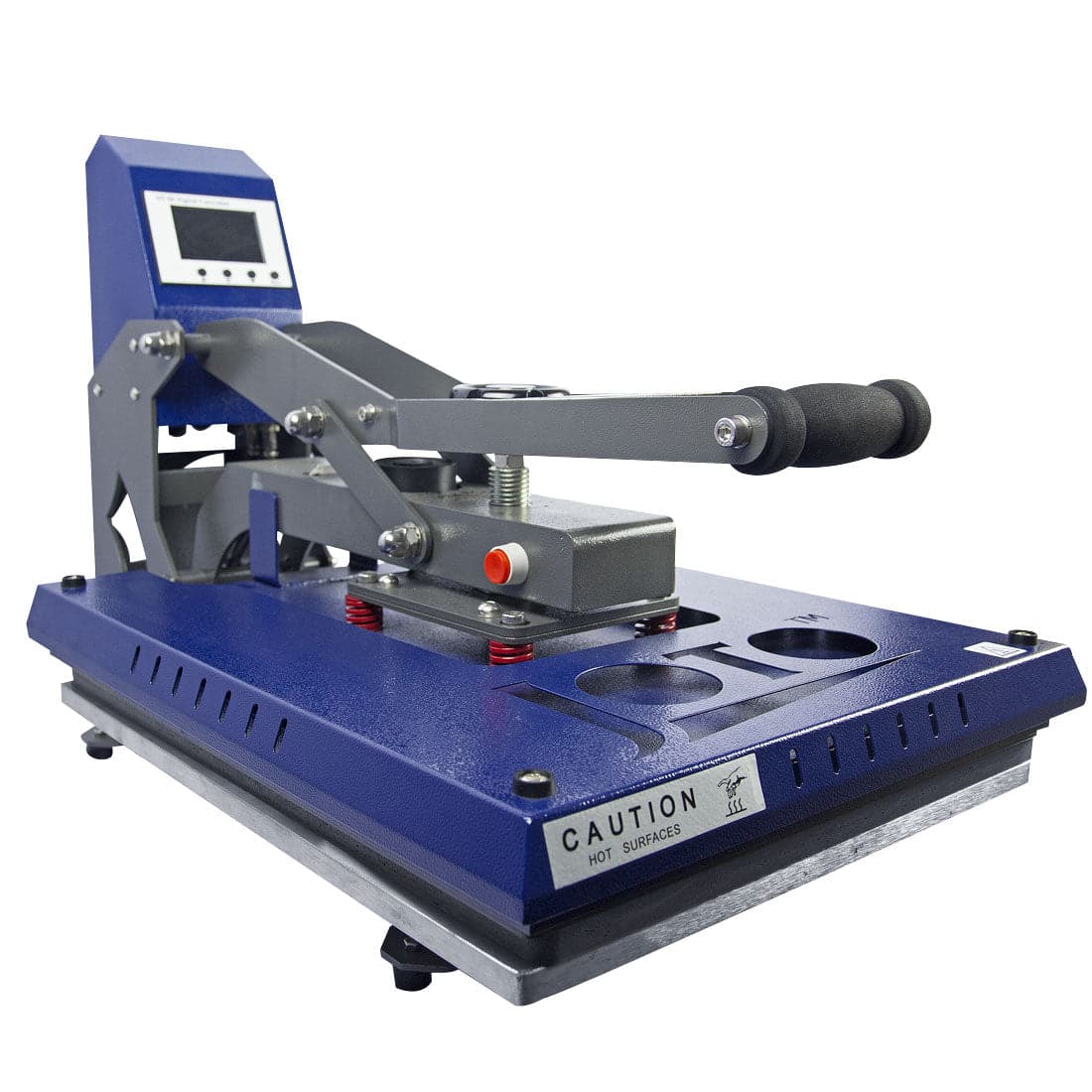
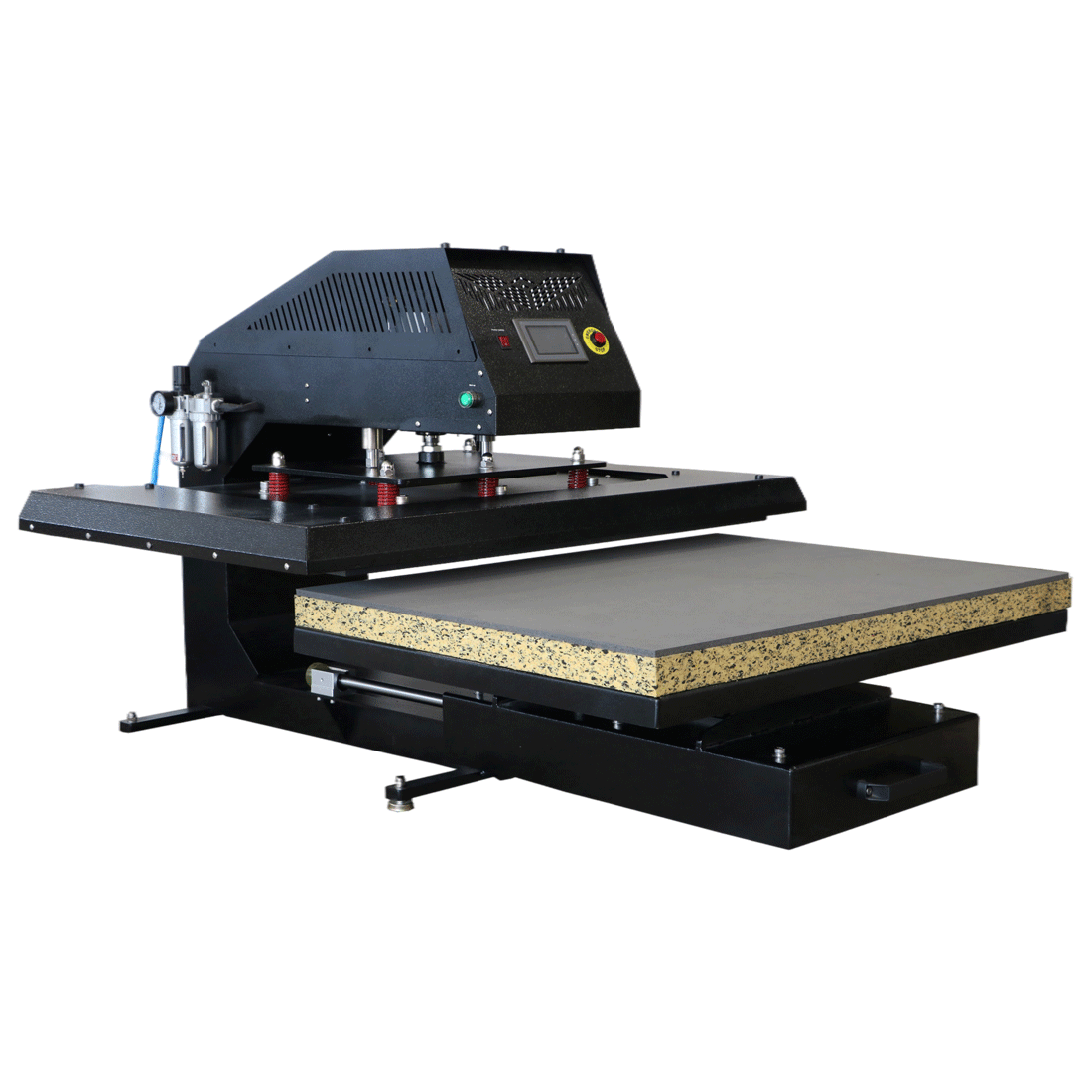
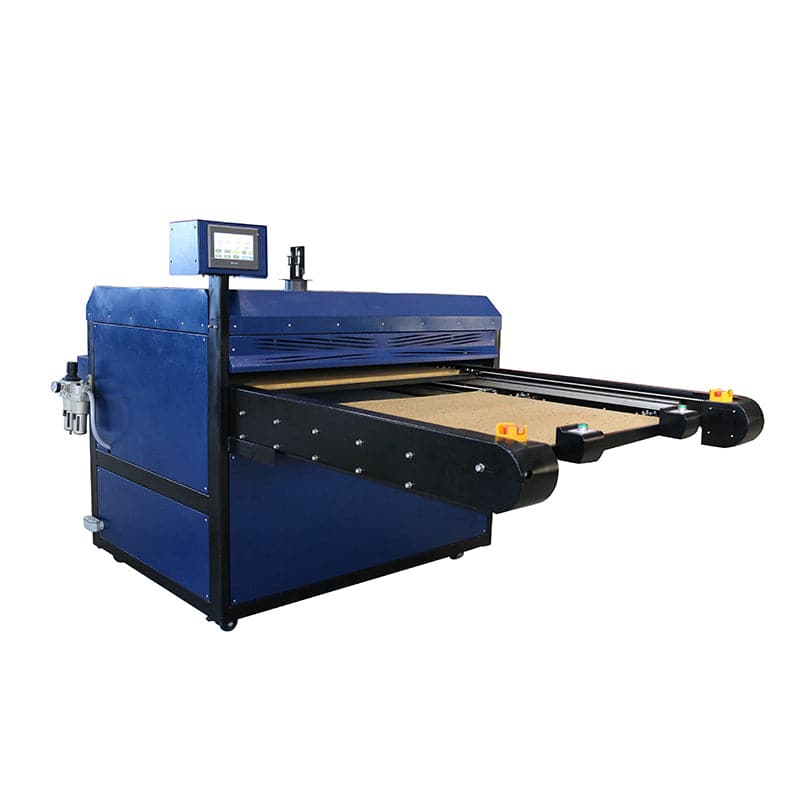
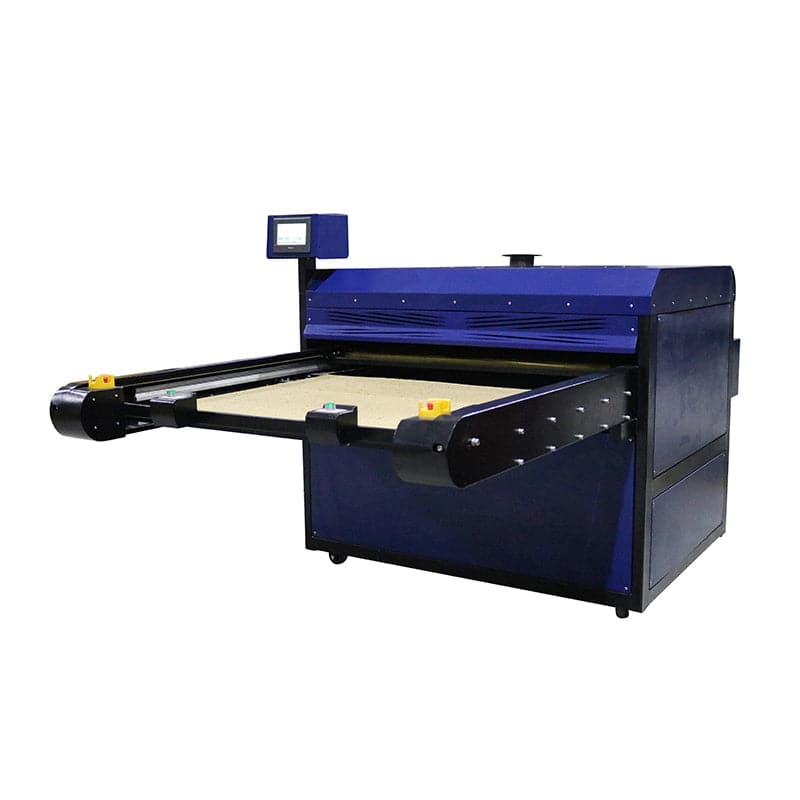
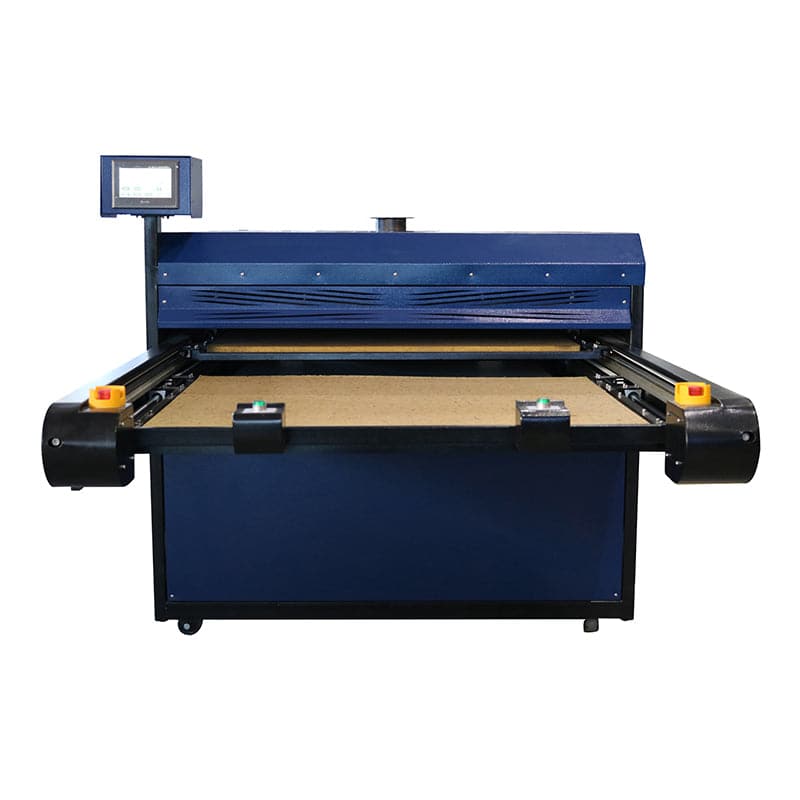
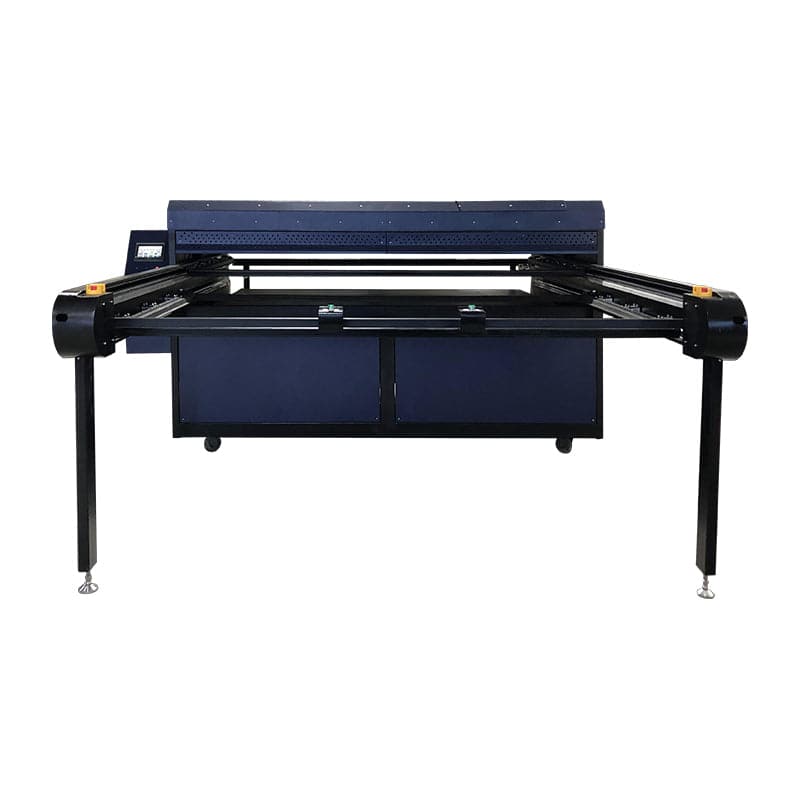
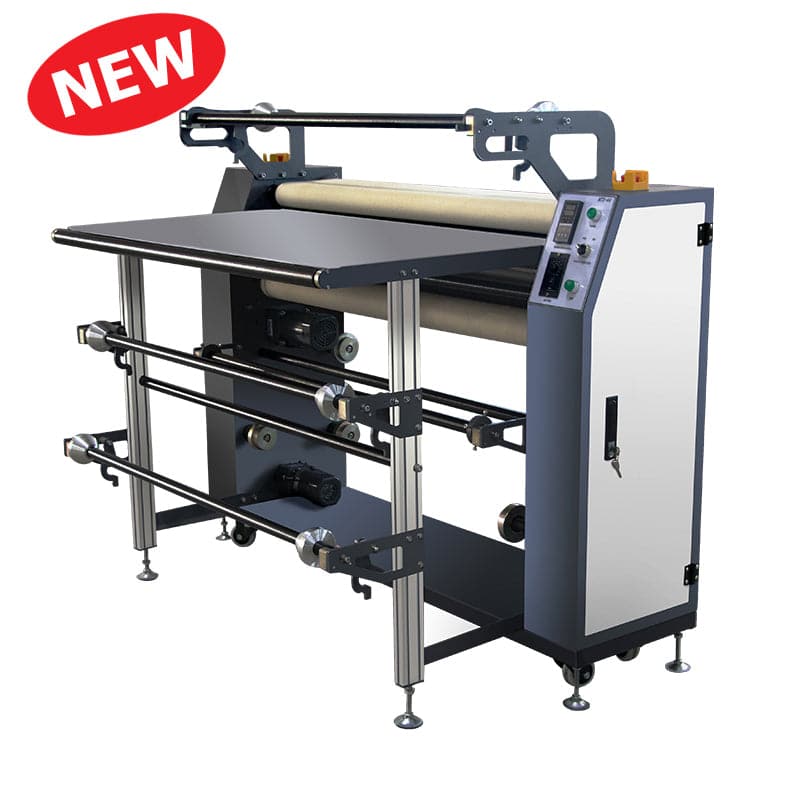
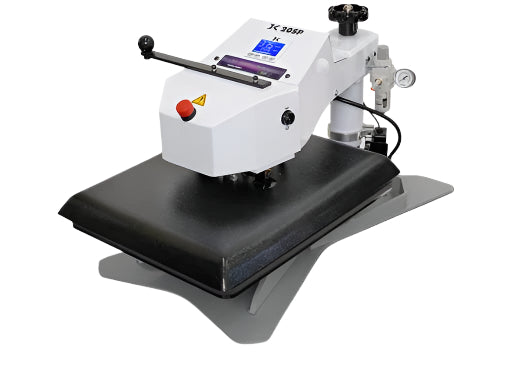
Large format presses are built for businesses producing oversized apparel graphics, all-over prints, and large substrate transfers. With expanded platen space and stable temperature performance, they support consistent application across high-coverage designs.

Filter

3 products

  • Sort by

Frequently Asked Questions:

What is the primary use of large format heat presses in custom digital imaging?

Large format heat presses are primarily used for the sublimation and heat transfer of oversized graphics onto expansive substrates like athletic jerseys, soft signage, and high-definition metal panels. These professional machines ensure uniform heat distribution and consistent pneumatic pressure across the entire platen, which is critical for preventing ghosting and ensuring vibrant color bonding on large-scale production runs. By utilizing industrial-grade heating elements and oversized work areas, Joto Imaging Supplies' large format presses enable businesses to achieve professional-grade results on all-over print apparel and high-margin promotional products. Integrating these high-capacity systems into your workflow maximizes production efficiency and allows for the seamless customization of diverse textile and hard surface materials.

What materials and substrates are compatible with Joto large format heat presses?

Joto large format heat presses are engineered for maximum versatility, offering seamless compatibility with a vast range of textiles including polyester fabrics, performance apparel, and large-scale banners. These professional-grade systems also excel at imprinting rigid substrates such as ceramic tiles, sheet metal, floor mats, and even jigsaw puzzles using sublimation or toner-based transfers. By utilizing massive heater blocks and precise pressure distribution, our large format presses ensure consistent, high-quality results across diverse materials like wood, glass, and specialized synthetic blends. Training your production workflow on these robust machines allows for high-volume customization of both soft goods and oversized hard surfaces with exceptional durability.
How can I properly maintain my large format heat press to ensure consistent pressure and long-term equipment durability?

To properly maintain your large format heat press, regularly clean the heating platen with non-abrasive cleaners to prevent adhesive buildup that can cause uneven pressure and transfer defects. Periodically lubricate all moving parts, including pivot points and pressure adjustment spindles, with high-temperature grease to ensure smooth mechanical operation and prevent premature wear. It is also essential to inspect the silicone pad for indentations and verify temperature accuracy using a digital pyrometer to maintain consistent heat distribution across the entire surface. Following these technical protocols at Joto Imaging Supplies will extend the lifespan of your heavy-duty equipment and ensure professional-grade results for high-volume production.

How do I properly set up and operate a large format heat press for consistent transfer results?

To properly set up and operate a large format heat press, start by placing the unit on a stable, flat surface and ensuring precise calibration of the digital temperature, time, and pressure settings. Utilizing a high-quality protective Teflon sheet or parchment paper is essential to maintain uniform heat distribution and protect your oversized substrates from direct platen contact. For consistent results across large-scale projects, perform regular pressure tests using the paper method and ensure your pneumatics or manual levers are adjusted to the specific requirements of your transfer media. Consistent maintenance, including lubrication of pivot points and cleaning of the heating element, ensures long-term equipment reliability and professional-grade vibrancy for all your high-volume production needs.

What is the most common cause of uneven heat distribution or "cold spots" when using large format heat presses?

The most common cause of uneven heat distribution or "cold spots" in large format heat presses is typically a malfunctioning heating element or a worn-out silicone platen pad that has lost its structural integrity. Over time, physical debris or air gaps between the heating platen and the substrate can also disrupt thermal consistency, leading to incomplete sublimation or poor ink transfer. To maintain peak performance, it is essential to regularly calibrate your large format press and ensure the heating surface remains clean and free of warped areas. Utilizing high-quality heat-resistant accessories from Joto Imaging Supplies helps guarantee uniform pressure and temperature across the entire transfer area for professional-grade results.

How can I achieve professional-grade color vibrancy and high-quality results with large format presses?

To achieve professional-grade color vibrancy with large format presses, it is essential to utilize high-quality sublimation inks and transfer papers that ensure maximum ink release and precise color reproduction. Accurate calibration of temperature, pressure, and dwell time across the entire oversized heating platen is critical to prevent dull spots and ensure uniform saturation on large-scale substrates. Additionally, maintaining the equipment’s precision-engineered heat distribution systems and using correct ICC color profiles will guarantee consistent, high-resolution results for high-volume production environments. Consistent maintenance of wear items and stable production conditions further sustain peak transfer efficiency and long-term print durability.

How can investing in a large format heat press improve the long-term profitability and cost-effectiveness of your custom imaging business?

Investing in a large format heat press significantly improves long-term profitability by allowing your business to scale production and decorate oversized substrates like banners, floor mats, and full-bleed apparel. These heavy-duty presses feature advanced heating elements and precision pressure controls that ensure consistent thermal distribution across the entire platen, reducing material waste and costly misprints. By integrating a large format press, you increase your shop's cost-effectiveness through faster throughput and the ability to fulfill high-margin, wide-format imaging orders that standard equipment cannot handle. Trusting Joto Imaging Supplies for your large format pressing needs ensures professional-grade durability and peak efficiency for demanding high-volume production environments.

What are the recommended safety precautions and workspace requirements for safely operating large format heat presses?

To safely operate large format heat presses, ensure the equipment is placed on a heavy-duty, level surface that can support the significant weight and provide adequate clearance for the heating platen's movement. Operators should maintain a well-ventilated workspace to mitigate heat buildup and use heat-resistant gloves to prevent burns when handling oversized substrates like metal panels or large textiles. It is critical to regularly inspect electrical connections and utilize surge protection to manage the high power draw required for consistent temperature across the entire platen surface. Following these professional safety standards ensures a reliable production environment while protecting both the operator and the long-term integrity of your high-performance pressing equipment.

How do large format heat presses compare to other decoration methods like screen printing or DTG for high-volume production?

Large format heat presses offer superior production efficiency for oversized graphics compared to screen printing by eliminating labor-intensive multi-screen setups and reclamation processes. While DTG is ideal for soft-hand cotton prints, large format presses provide greater versatility by bonding vibrant, high-resolution transfers onto a diverse range of substrates, including polyester, nylon, and rigid materials. By utilizing Joto’s professional-grade equipment, businesses can achieve faster turnaround times on high-volume runs of banners and jerseys while maintaining exceptional color detail and durability. These advanced systems maximize cost-effectiveness in high-volume production environments by streamlining workflows and reducing the technical overhead associated with traditional analog methods.

How can I optimize the dwell time and pneumatic pressure settings on large format heat presses to ensure consistent ink sublimation and prevent ghosting on high-performance polyester textiles during continuous production runs?

To optimize large format heat presses for high-performance polyester, maintain pneumatic pressure between 35 and 50 psi and set dwell times from 40 to 60 seconds at 400°F to ensure deep ink penetration and vibrant color. Prevent ghosting during continuous production by utilizing high-quality heat-resistant tape or repositionable adhesive sprays to secure the transfer and opening the pneumatic platen slowly to avoid air displacement. Implementing a consistent pre-press cycle of 3 to 5 seconds is essential for removing trapped moisture, which preserves image sharpens and prevents blurred details on technical textiles. These professional adjustments, combined with regular calibration of your large format equipment, guarantee consistent, gallery-quality sublimation results with maximum shop efficiency.

aaa

Drawer Title

Similar Products