






Skip to content
en
USD

Score a Goal With the Best Prices

Shop Now

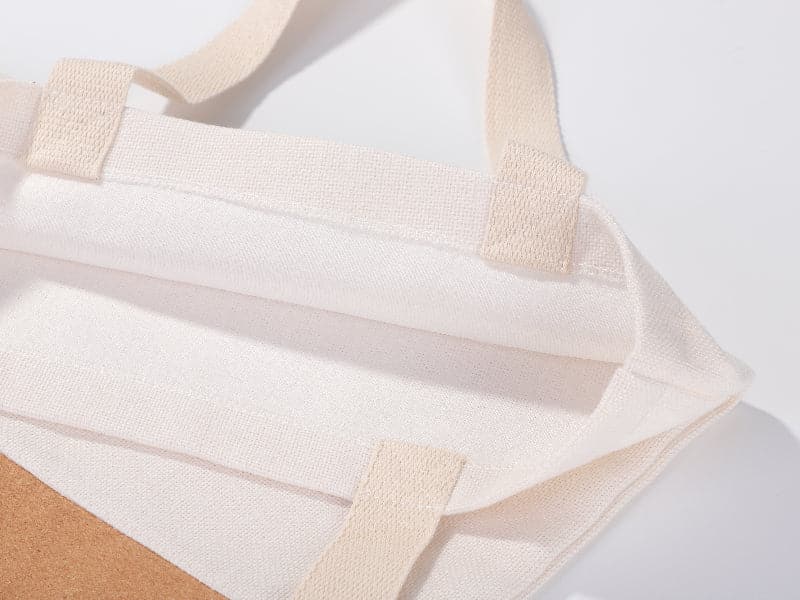
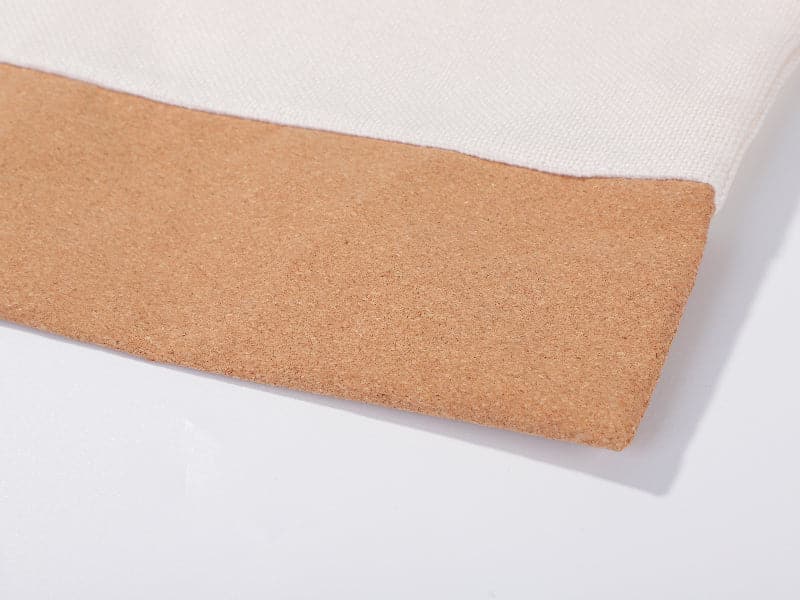
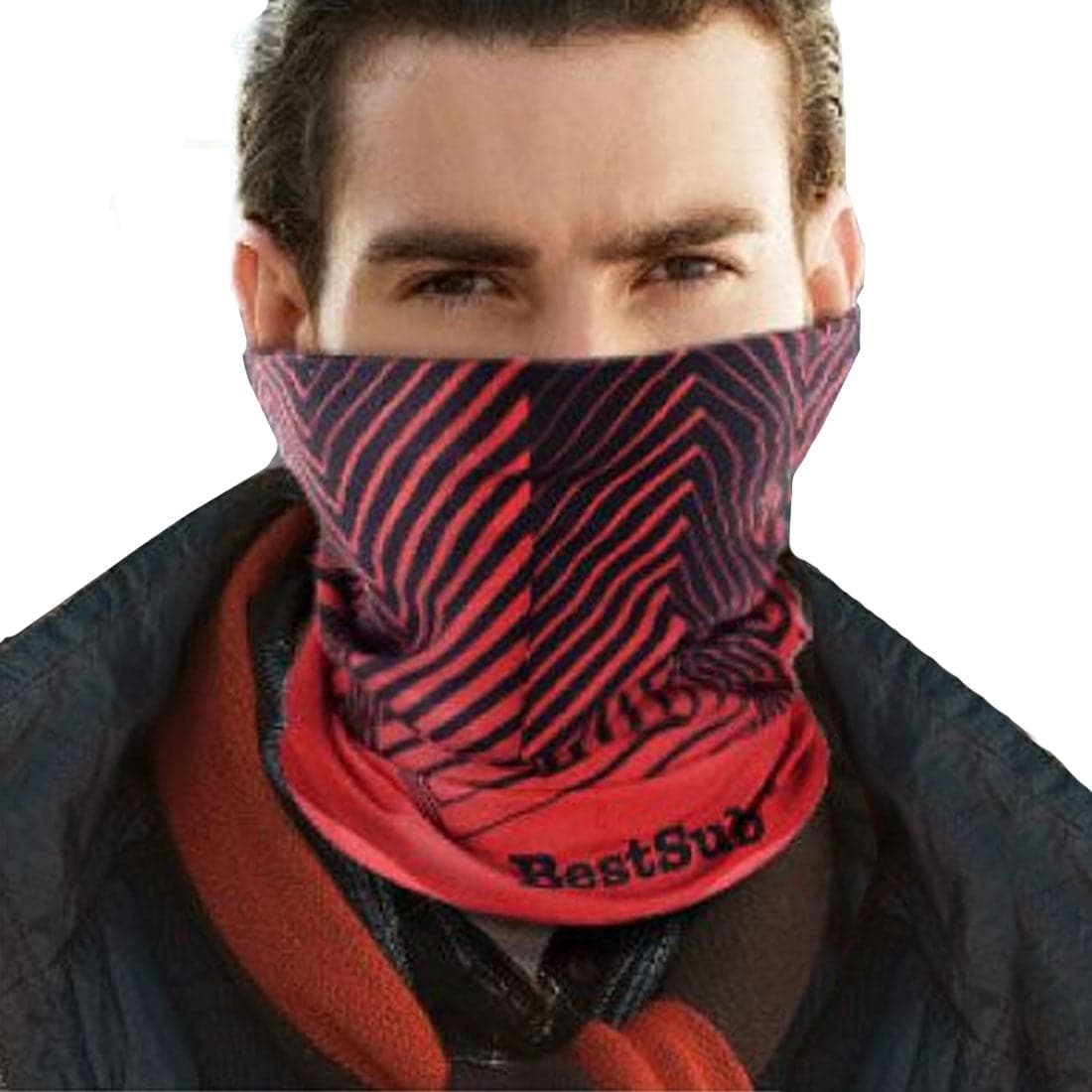
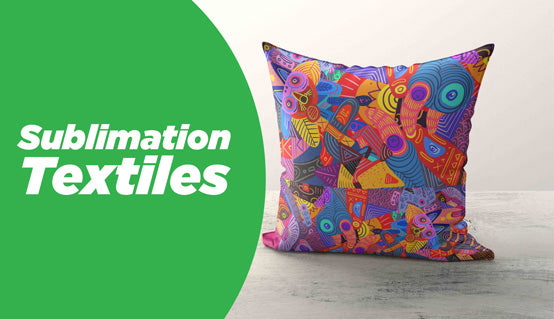
Sublimation Textiles

Sublimation Textiles for Apparel and Merch Businesses


Produce Vibrant, Wash-Resistant Prints with Repeatable Results


Shop sublimation textiles made for print shops and customization brands producing sellable apparel, towels, and fabric-based merchandise. Designed for consistent ink transfer and reliable performance, these blanks help streamline production and maintain retail-ready quality across every run.
Filter

21 products

  • Sort by

Frequently Asked Questions:

What are sublimation textiles used for?

Sublimation textiles are primarily used to create high-performance apparel, custom home decor, and durable soft signage by embedding dye-based inks directly into synthetic fibers. This specialized printing process requires polyester or poly-blend fabrics, ensuring that the finished designs are vibrant, breathable, and resistant to cracking or fading even after multiple washes. By utilizing heat and pressure, sublimation transforms ink into a gas that bonds permanently with the textile substrate, making it the ideal solution for producing professional-grade team uniforms and intricate custom merchandise.

What fabric types and material coatings are required for successful results with sublimation textiles?

Successful sublimation results require synthetic fabrics with a high polyester content, typically 60% or greater, to ensure the dye-based inks can chemically bond with the polymer fibers. While 100% white polyester provides the highest color vibrancy and clarity, synthetic blends including nylon and spandex are also compatible when properly managed. Unlike hard substrates, sublimation textiles do not require a separate polymer coating because the fibers themselves are synthetic, though pre-treatment solutions can be used to optimize ink absorption and durability for specific apparel applications.

How can I properly care for and wash sublimation textiles to ensure the designs remain vibrant and do not fade over time?

To maintain the color vibrancy and wash fastness of sublimation textiles, always wash garments inside out in cold or warm water using a mild detergent. Avoid using bleach or fabric softeners, as these chemicals can degrade the molecular bond between the sublimation ink and the synthetic polyester fibers over time. For drying, utilize a low-heat tumble setting or air dry to prevent thermal damage to the polymer structure and ensure the longevity of the high-definition graphics. Adhering to these professional care protocols ensures that your custom apparel remains vibrant through repeated wash cycles without cracking or fading.

How do I print and apply a sublimation transfer to custom textiles?

To print a sublimation transfer for custom textiles, output your mirrored high-resolution design onto premium sublimation paper using dedicated dye-sublimation inks. Position the printed transfer face-down on a high-polyester content fabric and secure it to ensure stability during the heat transfer process. Apply consistent heat and medium pressure using a professional heat press, typically at 400°F (204°C) for 35 to 45 seconds to allow the ink to molecularly bond with the synthetic fibers. Carefully peel the transfer paper while still hot to reveal a vibrant, permanent, and wash-fast finish that will not crack or peel.

Why are my sublimation textile transfers appearing faded, blurry, or ghosted after heat pressing?

Faded, blurry, or ghosted sublimation textile transfers are typically caused by improper heat press settings, excessive moisture in the fabric, or the transfer paper shifting during the cooling process. To ensure sharp image clarity and deep ink penetration, always pre-press your polyester textiles for 5 to 10 seconds to remove latent moisture and wrinkles before applying the final transfer. Utilize high-quality heat-resistant tape or a light mist of sublimation adhesive spray to secure the high-release transfer paper, preventing the gaseous ink from shifting and creating a ghosting effect. Finally, verify that your heat press is calibrated to the recommended 385°F to 400°F with firm, even pressure to achieve maximum color vibrancy and wash fastness.

How can I achieve the most vibrant and professional color results when using sublimation textiles?

To achieve the most vibrant color results with sublimation textiles, utilize high-resolution artwork and premium sublimation inks specifically formulated for high-polyester content fabrics. Ensure your heat press is calibrated to the precise temperature and pressure settings recommended for your textile blend to maximize ink vaporization and deep fiber penetration. Leveraging custom ICC profiles and selecting the correct media settings within your print utility will eliminate dull transfers and ensure professional-grade color accuracy across all your custom apparel. Always pre-press your garments to remove moisture and wrinkles, which prevents ghosting and ensures a crisp, brilliant finish on the final product.
How can investing in sublimation textiles improve the profitability and ROI of my custom apparel and soft signage business?

Investing in sublimation textiles enhances business profitability by producing high-margin, professional-grade custom apparel and soft signage with vibrant, permanent designs that do not crack or peel. The molecular bonding process of sublimation ink with polyester fibers ensures exceptional wash fastness and durability, reducing costly customer returns and material waste. By offering on-demand production for synthetic fabrics, businesses can achieve a faster ROI through streamlined workflows and the ability to command premium pricing for archival-quality, full-color textiles. This specialized printing method allows for scalable growth in the competitive custom decoration market while maintaining low overhead and high production efficiency.

How should I store sublimation textiles and what safety precautions should be taken during the heat press process?

To maintain the integrity of sublimation textiles, store them in a cool, dry environment within their original airtight packaging to prevent moisture absorption and dust contamination that can affect ink adhesion. During the heat press process, always operate in a well-ventilated area to safely manage the off-gassing of polyester fibers and sublimation inks. Use heat-resistant gloves and precision thermal tape to secure transfers, ensuring the heating element is clear of flammable materials to maintain a safe production workflow. Following these technical storage and safety protocols at Joto Imaging Supplies ensures consistent, high-quality results while protecting both the operator and the substrate.

How do sublimation textiles compare to other garment decoration methods like screen printing or heat transfer vinyl?

Sublimation textiles offer superior durability over screen printing and heat transfer vinyl because the dye-sublimation process creates a molecular bond with polyester fibers rather than sitting on the surface. This chemical infusion results in a soft-hand feel that is breathable and virtually permanent, ensuring the design will not crack, peel, or fade even after repeated laundering. While HTV and screen printing are ideal for cotton or simple spot colors, sublimation provides high-definition, edge-to-edge photographic quality optimized for high-performance synthetic apparel. Utilizing professional sublimation textiles ensures your custom garments maintain a premium, retail-ready finish that maximizes both production efficiency and ROI.

How can I optimize color consistency and wash fastness for high-performance sublimation textiles by adjusting ink saturation levels and heat press dwell times for specific synthetic blend ratios?

To optimize color consistency and wash fastness in sublimation textiles, precisely adjust your ink saturation levels within the RIP software to match the specific polyester content of your fabric blend. For high-performance synthetic fibers, utilize a heat press dwell time of 45 to 60 seconds at 400°F (204°C) with medium-to-firm pressure to ensure the dye fully permeates the molecular structure of the material. Fabrics with lower synthetic ratios may require increased ink density and slightly longer dwell times to compensate for fewer available polymer bonding sites. Always perform a standardized wash test to verify that your time, temperature, and pressure settings have achieved maximum ink fusion for long-term durability.

aaa

Drawer Title

Similar Products