Skip to content
en
USD

Score a Goal With the Best Prices

Shop Now

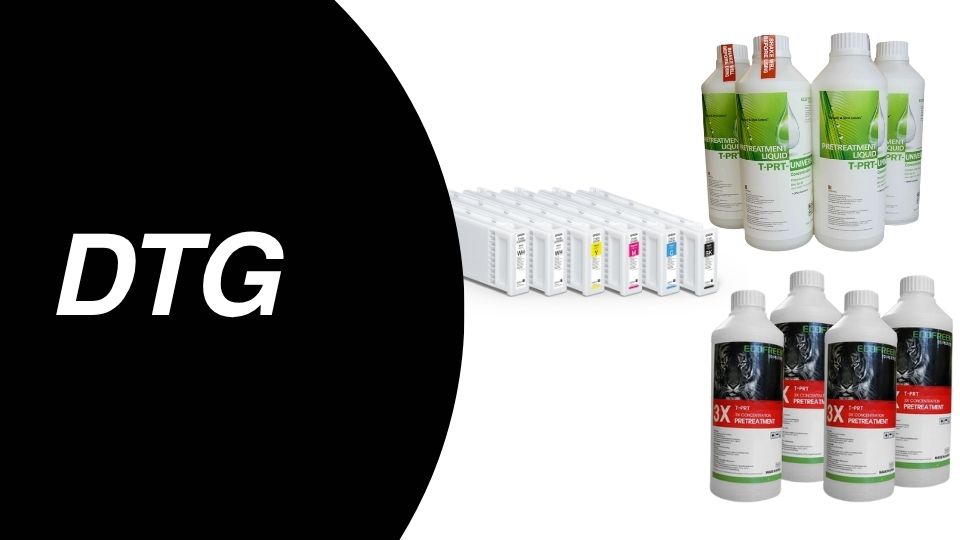
DTG Inks

DTG Inks for Garment Decoration Businesses


Maintain Consistent Color and Production Reliability


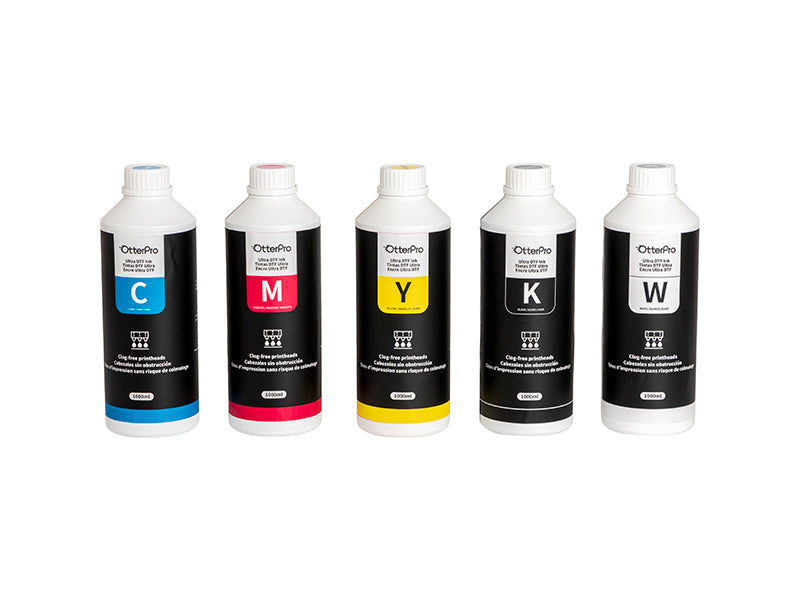
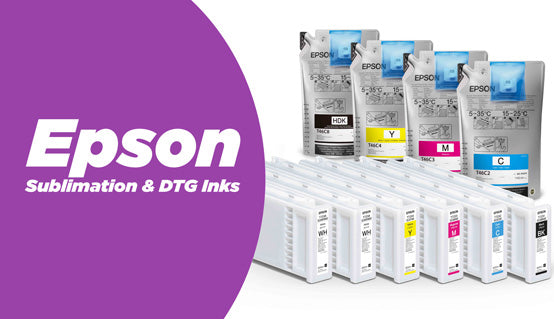
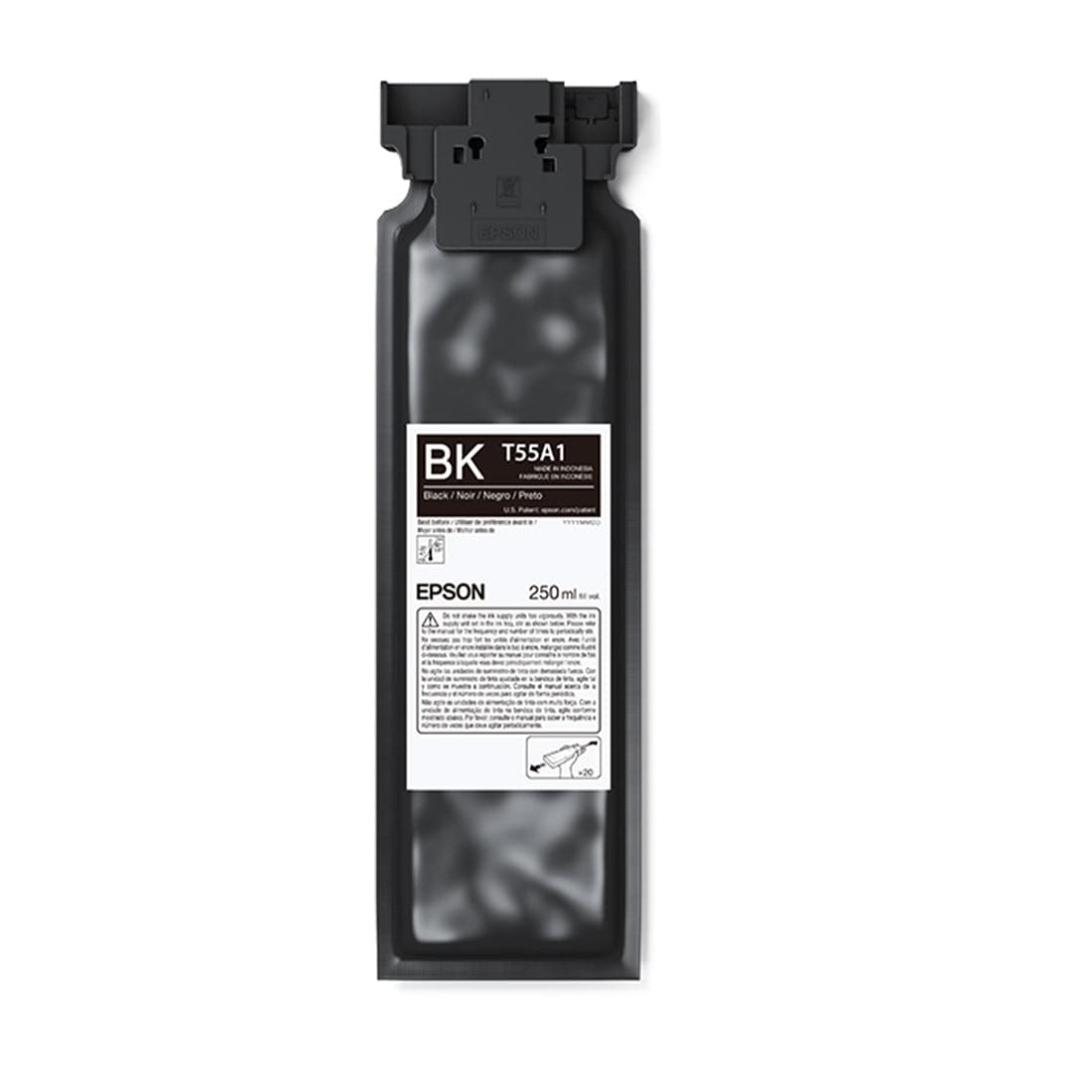
DTG inks formulated for apparel brands and print shops producing retail-ready garments. Designed for smooth flow and color accuracy, they support repeatable output and dependable daily production performance.

Filter

3 products

  • Sort by

Frequently Asked Questions:

What are the primary uses for DTG (Direct-to-Garment) inks?

DTG (Direct-to-Garment) inks are specifically formulated aqueous pigment inks used to print high-resolution, full-color designs directly onto natural fibers like cotton, bamboo, and linen. These specialized textile inks permeate the fabric fibers to create soft-hand, durable prints that are resistant to fading and cracking after curing with a heat press or tunnel dryer. They are the ideal solution for on-demand production of custom apparel, allowing businesses to efficiently fulfill small-batch orders with photographic detail and unlimited color variations without the extensive setup required for screen printing.

What specific fabric types and material pre-treatments are required for compatibility with DTG inks?

Direct-to-garment (DTG) inks are most compatible with natural fibers such as 100% combed ringspun cotton, linen, and hemp, though high-quality 50/50 cotton-polyester blends can also achieve professional results. To ensure optimal ink adhesion and vibrant color density, a specialized liquid pretreatment solution is required, particularly for dark garments that necessitate a white ink underbase. This pretreatment acts as a primer, flattening surface fibers and preventing the water-based pigment inks from soaking into the fabric to maintain sharp details and high wash fastness. Utilizing a professional heat press to cure the pretreatment and final print is essential for molecularly bonding the binder to the textile fibers for a durable, soft-hand finish.
How durable are DTG ink prints after washing, and what are the best practices for maintaining their quality over time?

Direct-to-garment (DTG) ink prints are engineered for high durability, typically maintaining their structural integrity and color vibrancy through 40 to 50 wash cycles when properly heat-cured. To ensure maximum longevity, garments should be washed inside out in cold water using a mild, bleach-free detergent on a gentle cycle to minimize mechanical abrasion. For drying, air drying is the professional standard, though a low-heat tumble setting may be used to preserve the molecular bond between the water-based pigments and the fabric fibers. Avoid direct ironing on the printed area and the use of fabric softeners to prevent premature cracking or fading of the high-resolution design.

How do I correctly apply and cure DTG inks for high-quality garment printing?

To correctly apply and cure DTG inks, begin by pre-treating your garment with a specialized solution and heat pressing it to create a smooth, flat surface for optimal ink adhesion. Print your high-resolution graphic using premium DTG inks, ensuring your printer settings are calibrated for the specific fabric blend and color. Once printed, cure the ink using a professional heat press or conveyor dryer at approximately 330°F for 90 to 120 seconds to facilitate a permanent molecular bond with the textile fibers. Following this precise thermal curing process guarantees exceptional wash fastness, vibrant color density, and a soft-hand finish that meets retail-quality standards.

Why is my DTG ink design appearing blurry, faded, or showing signs of ghosting after printing?

Blurry or faded DTG designs typically result from inadequate pre-treatment application, which prevents the ink from bonding correctly with the fabric fibers. Ghosting and poor image clarity are often caused by garment shifting during the printing process or incorrect print head height settings that disrupt the precision of the ink spray. To ensure professional-grade results, verify that your curing temperature and dwell times align with manufacturer specifications to facilitate a complete thermal bond. Maintaining high-resolution artwork and optimal environmental humidity will further prevent ink saturation issues and ensure sharp, vibrant details on every garment.

How can I achieve professional-grade color vibrancy and sharp details when using DTG inks?

To achieve professional-grade color vibrancy and sharp details with DTG inks, it is essential to use high-resolution artwork at 300 DPI and ensure your printer is calibrated with the correct ICC profiles. Applying an even layer of premium pretreatment is critical, especially on dark garments, to prevent ink absorption and provide a solid foundation for the white ink underbase. Finally, you must precisely control your curing process using a heat press or conveyor dryer set to approximately 330°F for 90 seconds to lock in the pigments and ensure long-lasting wash durability. Following these technical standards at Joto Imaging Supplies guarantees crisp graphics and maximum color density for retail-quality custom apparel.

How can using professional DTG inks improve your business's profit margins and overall production efficiency?

Professional DTG inks enhance profit margins by delivering superior color saturation and coverage with lower fluid consumption per print, effectively reducing the total cost-per-garment. These high-performance formulations minimize maintenance-related downtime and prevent nozzle clogs, ensuring consistent production throughput and a higher equipment ROI. By facilitating sharp, retail-quality details and durable wash fastness, professional inks allow businesses to command premium pricing for custom apparel while streamlining small-batch fulfillment. Integrating these optimized consumables into your workflow reduces material waste and labor costs, directly strengthening your position in the competitive digital textile market.

What are the best practices for the safe handling and proper storage of DTG inks to ensure long-term performance?

To ensure the long-term performance of DTG inks, store containers in a climate-controlled environment between 59°F and 86°F (15°C–30°C) with relative humidity levels maintained between 40% and 60%. Always keep ink bottles in their original opaque packaging away from direct sunlight to prevent UV degradation and maintain optimal viscosity for consistent jetting. For safe handling, perform weekly agitation of all ink sets and daily shaking of white ink cartridges to prevent pigment sedimentation and ensure a high-definition, professional-grade finish. Following these technical storage protocols from Joto Imaging Supplies protects your printhead from clogging and maximizes the shelf life of your premium consumables.
How do DTG inks compare to screen printing and heat transfers in terms of durability and color vibrancy?

DTG inks offer a softer hand feel and superior high-resolution detail for photographic designs compared to the thicker, more opaque plastisol inks used in screen printing or the layered structure of heat transfers. While screen printing remains the industry standard for maximum wash fastness and vibrant solid colors on dark fabrics, modern DTG pigment inks are engineered to bond deeply with cotton fibers to provide excellent color retention through dozens of wash cycles. Heat transfers, like DTF, often provide higher color vibrancy on synthetic blends, but DTG excels in breathability and long-term comfort for premium 100% cotton apparel. Integrating high-quality DTG inks ensures a professional, retail-ready finish that balances intricate detail with competitive durability for small-to-medium production runs.
How can I optimize white ink circulation and pretreatment application to prevent nozzle clogging and ensure maximum color vibrancy on high-density 100% cotton garments during high-volume production?

To optimize high-volume production, utilize DTG printers with integrated white ink circulation systems and perform daily agitation of ink cartridges to prevent the sedimentation of titanium dioxide, which is the primary cause of nozzle clogging. For maximum color vibrancy on high-density 100% cotton, apply a consistent layer of DuPont Artistri pretreatment using an automatic sprayer to ensure a smooth, ink-receptive surface that prevents the white underbase from absorbing into the fibers. Calibrate your heat press or conveyor dryer to the specific curing temperatures required for your ink set to lock in the pigment and achieve industry-standard wash fastness. Maintaining a stable production environment with 40-80% humidity further ensures smooth ink flow and prevents the premature drying of water-based inks within the printhead.

aaa

Drawer Title

Similar Products