Skip to content
en
USD

Score a Goal With the Best Prices

Shop Now

DTF Sheets

DTF Sheets for Direct to Film Apparel Production


Consistent Film Performance for Clean, Reliable Transfers


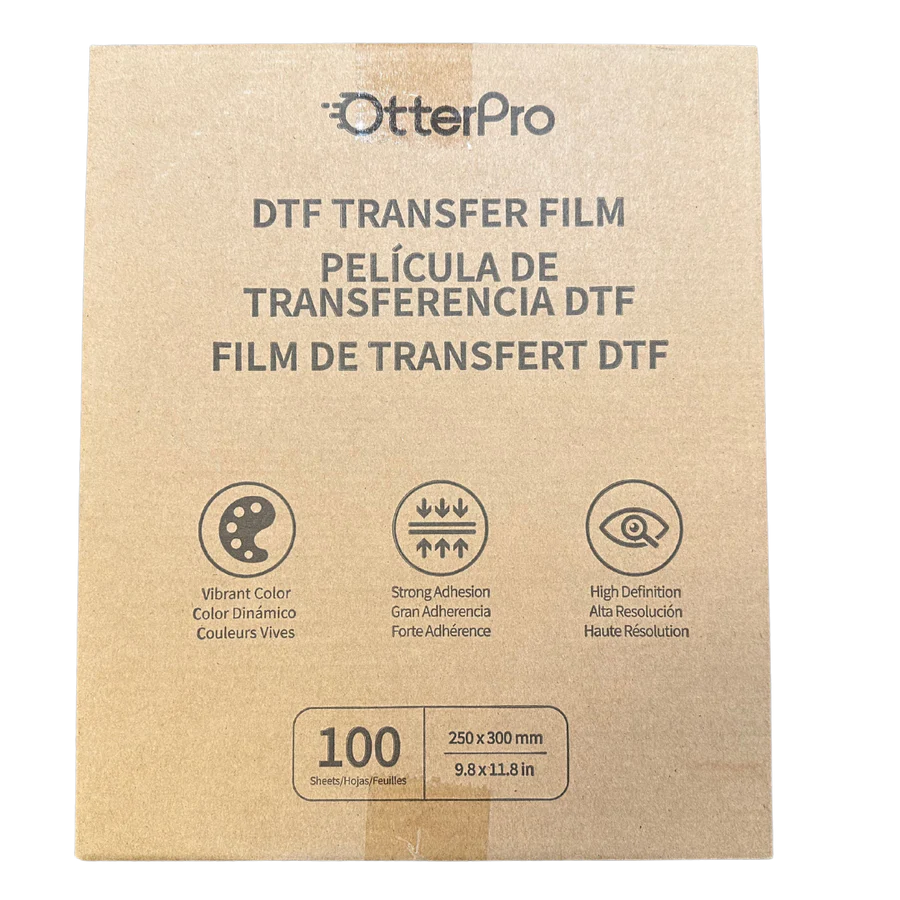
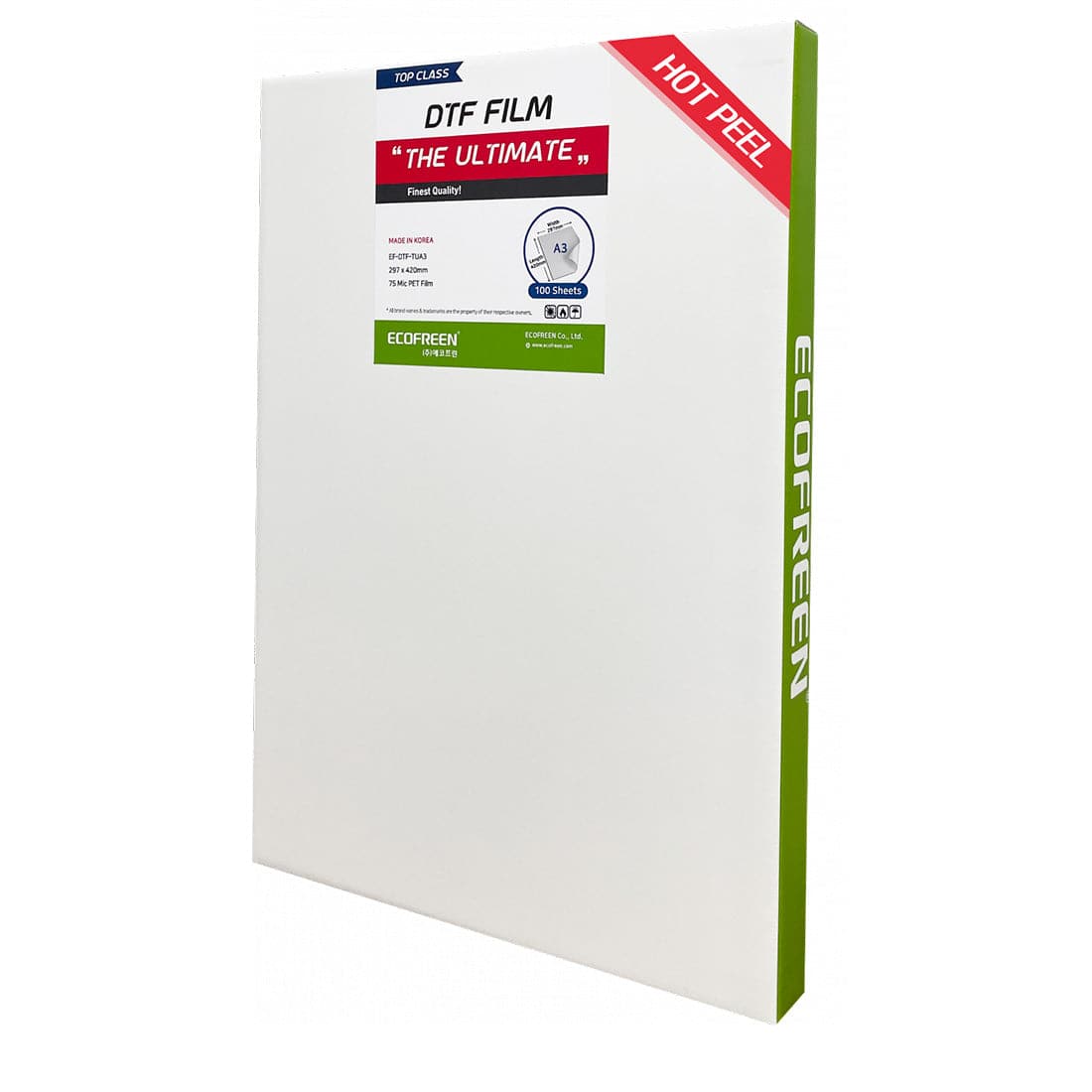
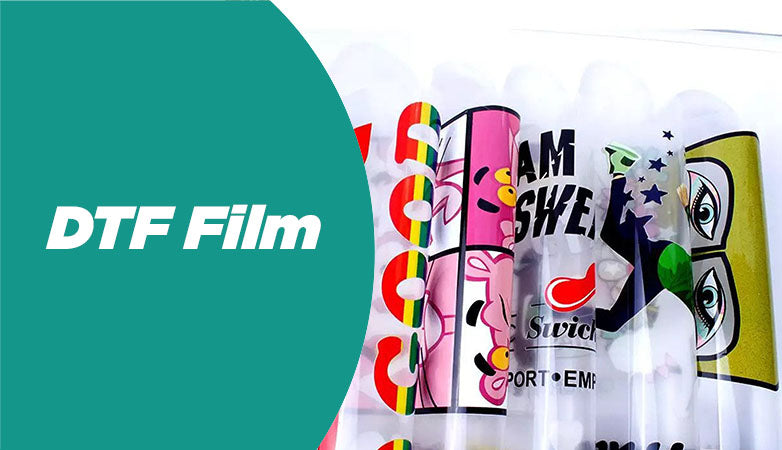
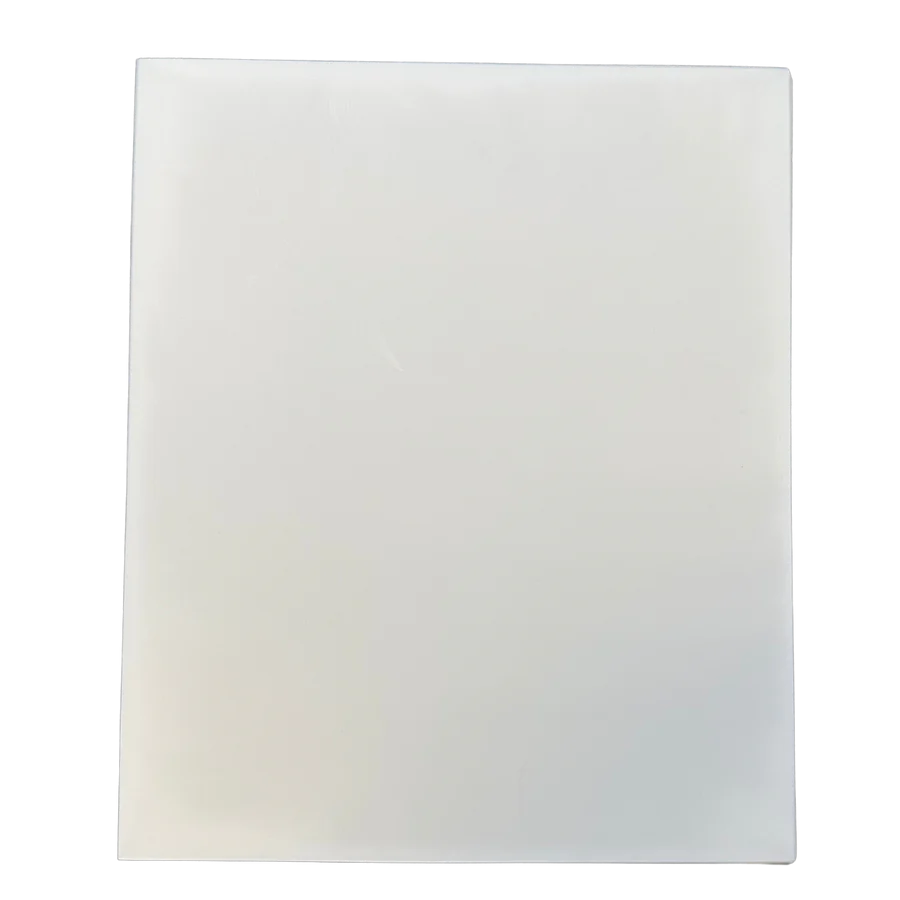
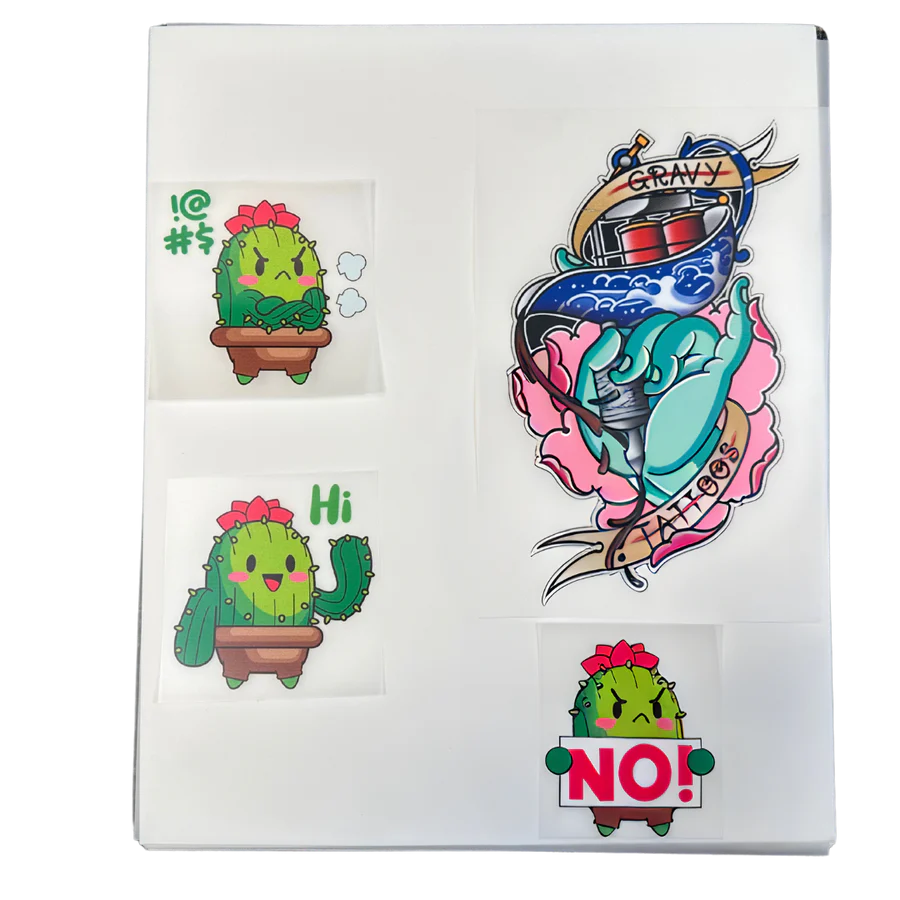
DTF sheets support detailed garment decoration with stable ink adhesion and smooth release characteristics. Designed for predictable transfer results and efficient workflow handling, they help maintain steady output across repeat apparel orders.

Filter

5 products

  • Sort by

Frequently Asked Questions:

What are the primary uses for Joto's DTF sheets?

Joto's DTF sheets are primarily engineered for high-quality apparel decoration, allowing for vibrant, full-color transfers on a wide variety of fabrics including cotton, polyester, and synthetic blends. These specialized films provide a stable surface for digital ink reception and are ideal for producing intricate designs that require excellent opacity and a soft-hand finish on both light and dark garments. By utilizing Joto’s DTF sheets, professional decorators can achieve durable, wash-resistant results with a streamlined workflow that eliminates the need for complex weeding or screen preparation. This versatile media ensures superior detail and color accuracy, making it an essential component for custom T-shirt production and small-batch garment branding.
Which printer types and ink systems are compatible with Joto's DTF sheets for optimal transfer quality?

Joto’s DTF sheets are specifically engineered for compatibility with dedicated Direct-to-Film printers utilizing aqueous-based DTF pigment ink systems for optimal transfer quality. These high-performance films feature a specialized coating that ensures superior ink absorption and vibrant color reproduction when used with professional-grade printheads like the Epson i3200 or XP600. To achieve a durable, professional-grade bond on various textiles, it is essential to pair these sheets with high-quality DTF powders and precise curing temperatures. Utilizing this technical combination guarantees exceptional wash fastness and a soft hand feel for all your custom apparel projects.

How can I ensure the long-term durability and proper wash care of garments customized with DTF sheets?

To ensure the long-term durability of garments customized with Joto’s DTF sheets, wait at least 24 to 48 hours after heat application to allow the adhesive to fully cure into the fabric fibers. Always launder the apparel inside out in cold water using a mild, phosphate-free detergent, avoiding bleach and fabric softeners that can degrade the integrity of the pigment inks and bonding agent. For optimal results, hang the garments to air dry or tumble dry on a low-heat setting to prevent the transfer from cracking or peeling over time. Following these technical maintenance protocols will maximize the lifespan and professional appearance of your high-quality DTF transfers.

How do you properly print and heat press Joto's DTF sheets to ensure high-quality, durable transfers on various garments?

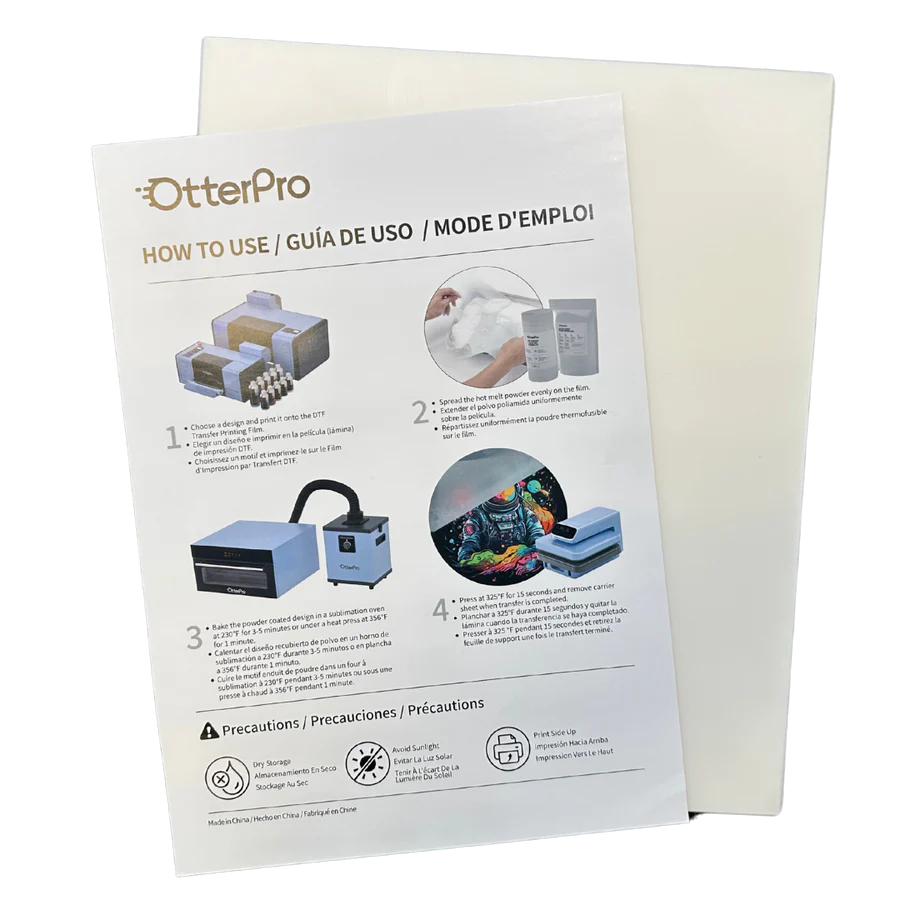
To achieve professional results with Joto’s DTF sheets, start by printing your design onto the PET film using specialized DTF inks and applying a uniform layer of adhesive powder before curing. Preheat your garment for 3 to 5 seconds to remove moisture and wrinkles, then position the transfer and heat press at 310°F to 320°F for 12 to 15 seconds with medium-firm pressure. Allow the film to cool completely for a matte finish before performing a cold peel, then finish with a 5-second post-press using a protective parchment sheet to maximize wash durability and color vibrancy. Following these precise technical settings ensures a high-quality, flexible bond that resists cracking or peeling on various fabric types including cotton and polyester blends.

What are the most common mistakes to avoid when printing, curing, or heat pressing DTF sheets to ensure optimal transfer quality and adhesion?

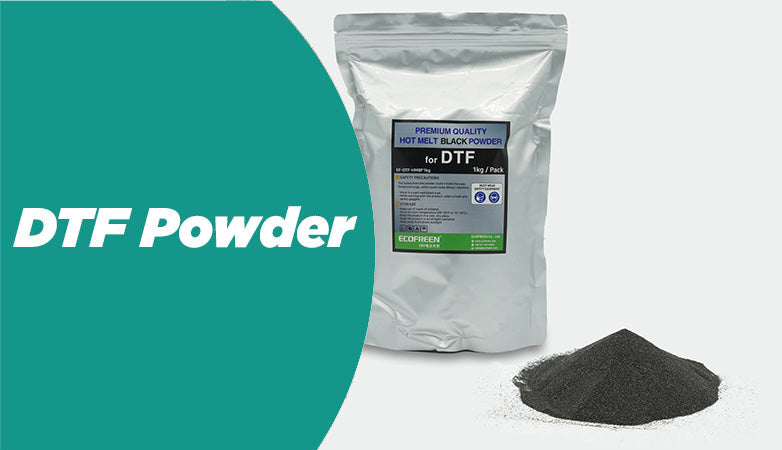
One frequent error is neglecting regular white ink agitation and printhead maintenance, which leads to pigment sedimentation and clogged nozzles that compromise print opacity. Additionally, using incorrect curing temperatures or insufficient dwell times prevents the TPU adhesive powder from fully melting, resulting in poor wash fastness and premature peeling of the transfer. Failing to maintain stable humidity levels or using uncalibrated heat press pressure can cause ink bleeding and inconsistent adhesion across different fabric blends. To ensure professional-grade results, always utilize high-quality DTF sheets and follow precise technical specifications for printing, powdering, and heat application.

How can I achieve professional-grade color vibrancy and print quality when using Joto's DTF sheets?

To achieve professional-grade color vibrancy and print quality with Joto’s DTF sheets, it is essential to utilize high-resolution ICC color profiles specifically calibrated for your printer, ink, and film combination. Ensure your RIP software is configured with a robust white ink underbase and optimized ink density settings to provide a solid foundation for brilliant CMYK output on both light and dark textiles. Maintaining a consistent environment and performing regular printhead maintenance will prevent banding and ensure precise ink deposition for sharp, gallery-quality details. Finalize your transfers by applying uniform heat and pressure according to technical specifications to guarantee maximum color saturation and long-term wash durability.

How can switching to DTF sheets improve my business's overall cost-effectiveness and production efficiency?

Switching to DTF sheets enhances production efficiency by eliminating the time-consuming fabric pretreatment and weeding processes required by DTG and HTV methods. This digital workflow reduces labor and utility costs while allowing for high-margin, on-demand printing of complex, full-color designs without the expensive setup fees associated with screen printing. By utilizing gang sheets to maximize film real estate and achieving superior durability across diverse substrates like cotton and polyester, businesses can significantly lower their cost-per-print. Investing in Joto’s professional-grade DTF transfers ensures consistent output quality and faster turnaround times, ultimately maximizing overall business profitability.

What are the recommended storage conditions and safety precautions for DTF sheets to ensure optimal printing performance?

To ensure optimal performance and print quality, Joto’s DTF sheets should be stored flat in a climate-controlled environment with temperatures between 60°F and 75°F and a relative humidity of 40% to 60%. Utilizing airtight containers or resealable bags with silica gel desiccants is essential to prevent moisture absorption and powder clumping, which can lead to adhesion failure or bubbling. Sheets must be kept away from direct sunlight, heat sources, and dust to preserve the integrity of the PET film and specialized coating. Always handle transfer media with clean, dry hands to avoid surface contamination and maintain a first-in, first-out inventory system to guarantee long-term reliability.

How do Joto's DTF sheets compare to traditional methods like screen printing or embroidery for high-quality, small-batch garment decoration?

Joto's DTF sheets offer a superior, cost-effective alternative for small-batch garment decoration by eliminating the expensive setup fees and complex digitizing required for screen printing and embroidery. These digital transfer solutions provide unmatched flexibility, allowing for high-resolution, full-color designs and intricate gradients that traditional thread-based or mesh-stencil methods often struggle to reproduce. While embroidery offers a classic tactile feel, our DTF technology ensures exceptional wash durability and a thinner, more flexible hand on a wider variety of fabrics, including heat-sensitive synthetics and cotton blends. Integrating DTF sheets into your workflow streamlines production and enables rapid turnaround times for premium, on-demand custom branding.

How can you optimize the curing temperature and dwell time for high-density DTF sheets to ensure maximum ink polymerization and superior wash fastness without causing film distortion or adhesive yellowing?

To optimize the curing process for high-density DTF sheets, maintain a precise temperature range between 250°F and 300°F to ensure complete ink polymerization and superior wash fastness. Balance the dwell time between 90 to 120 seconds in a curing oven or 20 to 30 seconds under a heat press to activate the TPU adhesive powder without reaching the threshold for film distortion. Monitoring these parameters prevents common issues like adhesive yellowing and scorched coatings caused by excessive heat exposure during the final curing stage. Utilizing high-quality Joto DTF sheets and calibrated equipment will stabilize your production workflow and maximize the durability of your digital transfers.
aaa

Drawer Title

Similar Products