





























Skip to content
en
USD

Score a Goal With the Best Prices

Shop Now

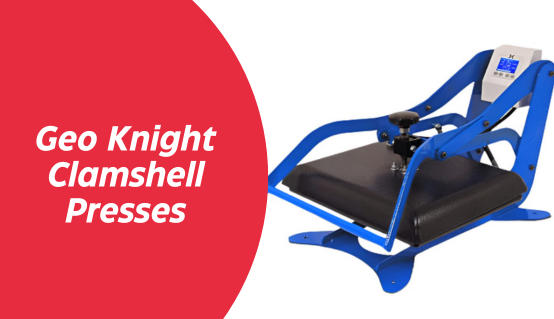
Clam Presses

Clamshell Heat Presses for Growing Print Businesses


Maximize Output with Space-Saving, Consistent Heat Transfer Equipment


Clamshell heat presses built for small and mid-sized print shops producing custom apparel and promotional products. Engineered for fast heat-up, even pressure, and repeatable transfer results to support daily production. Ideal for businesses that need reliable performance and efficient workflows.

Filter

6 products

  • Sort by

Frequently Asked Questions:

What is a Clam Shell Heat Press?

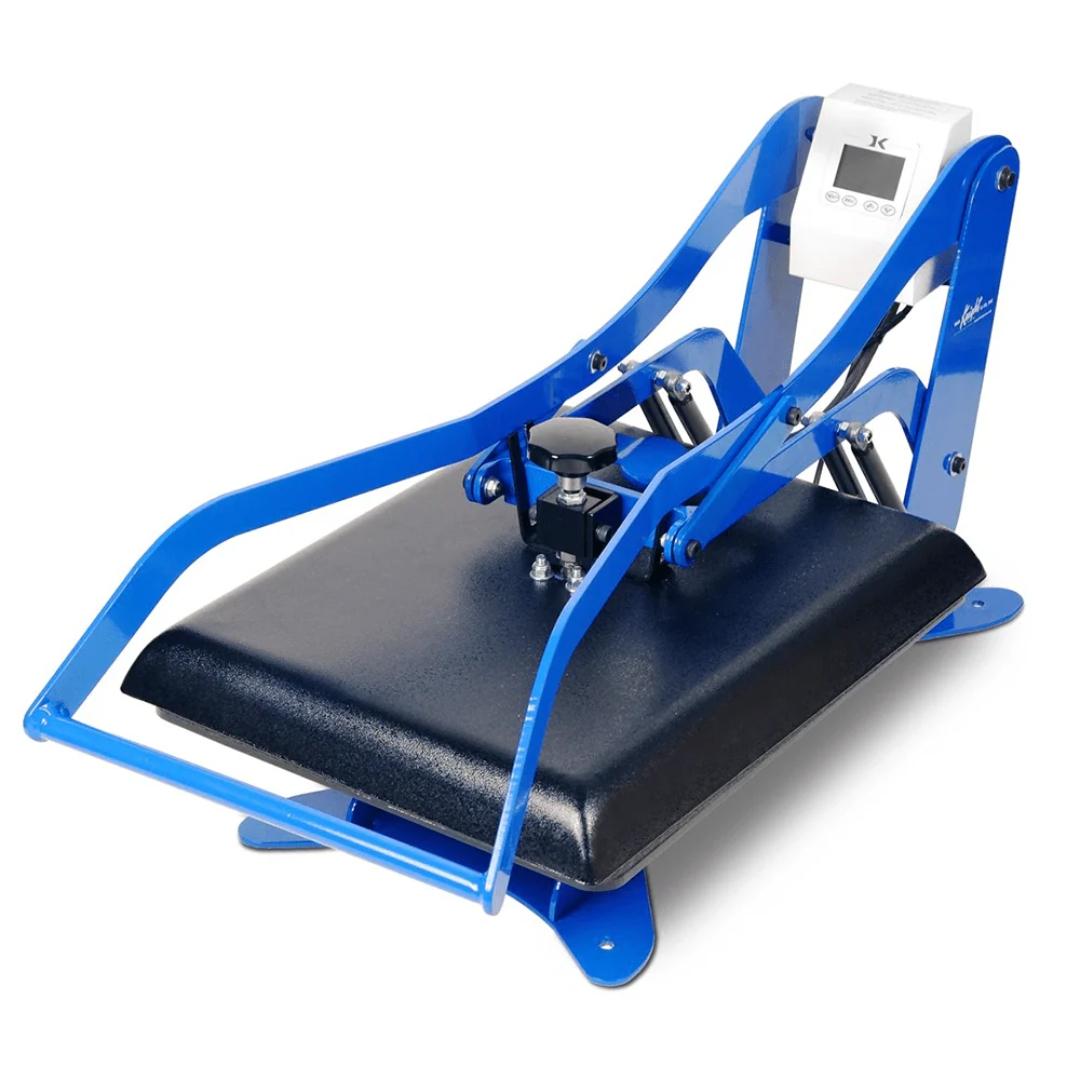
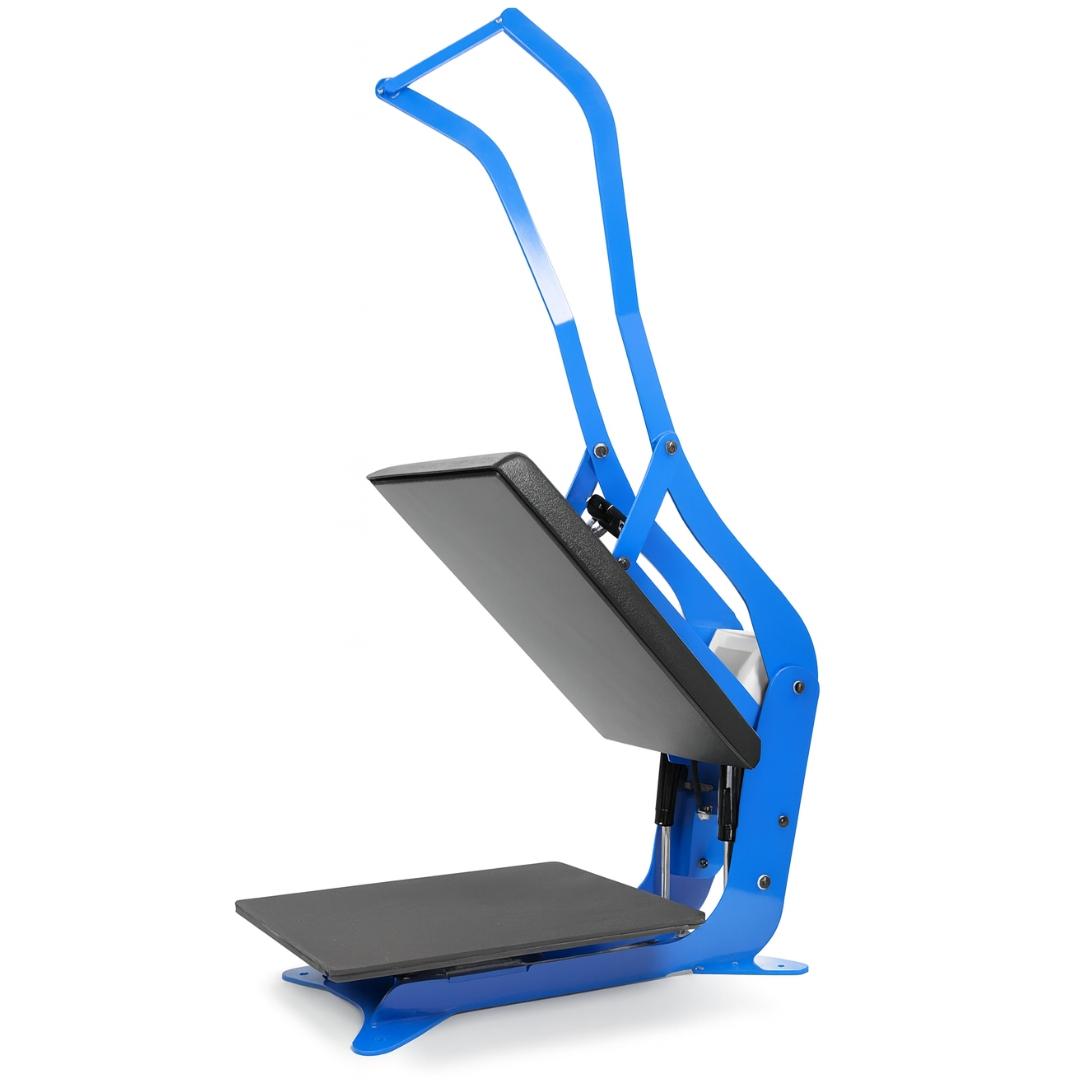
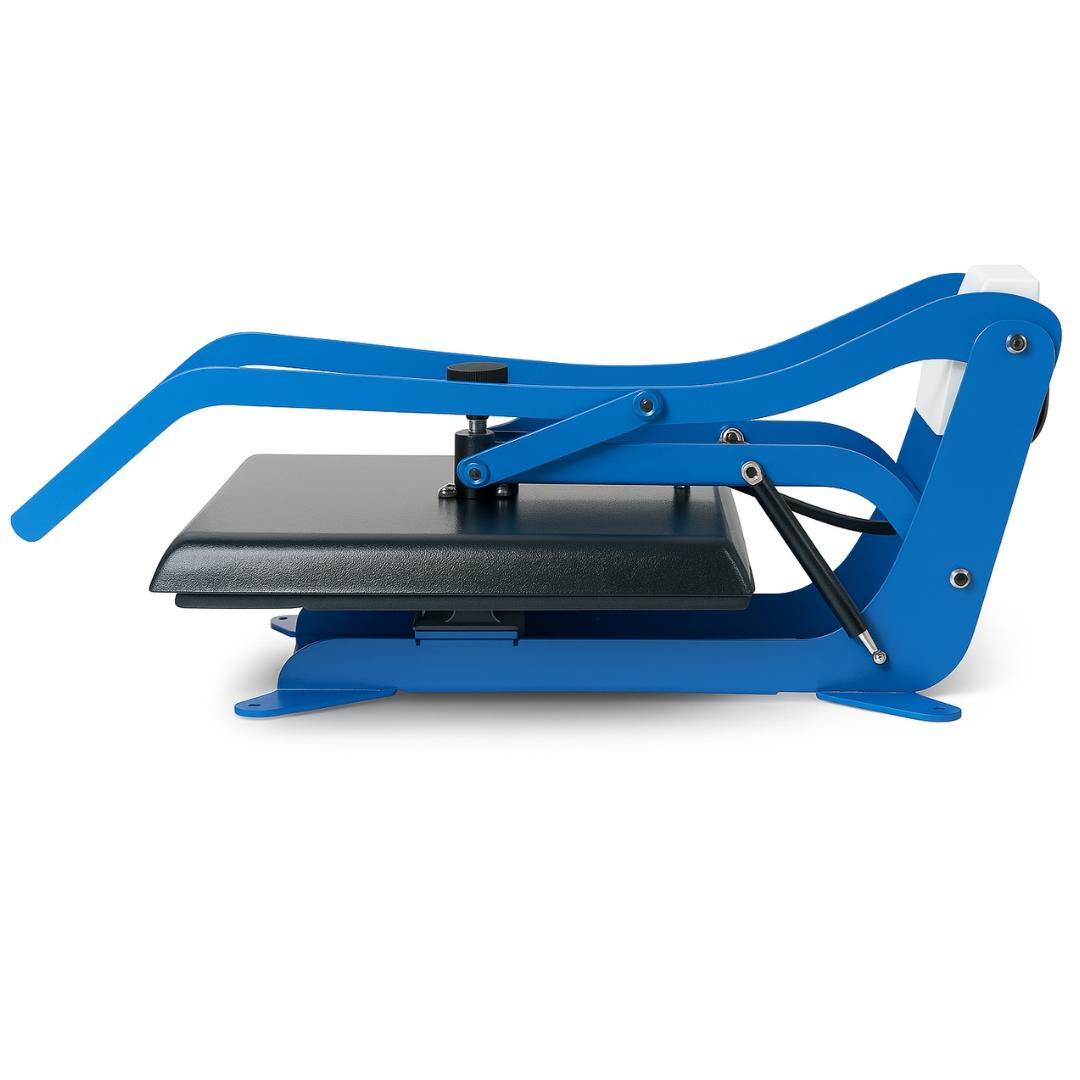
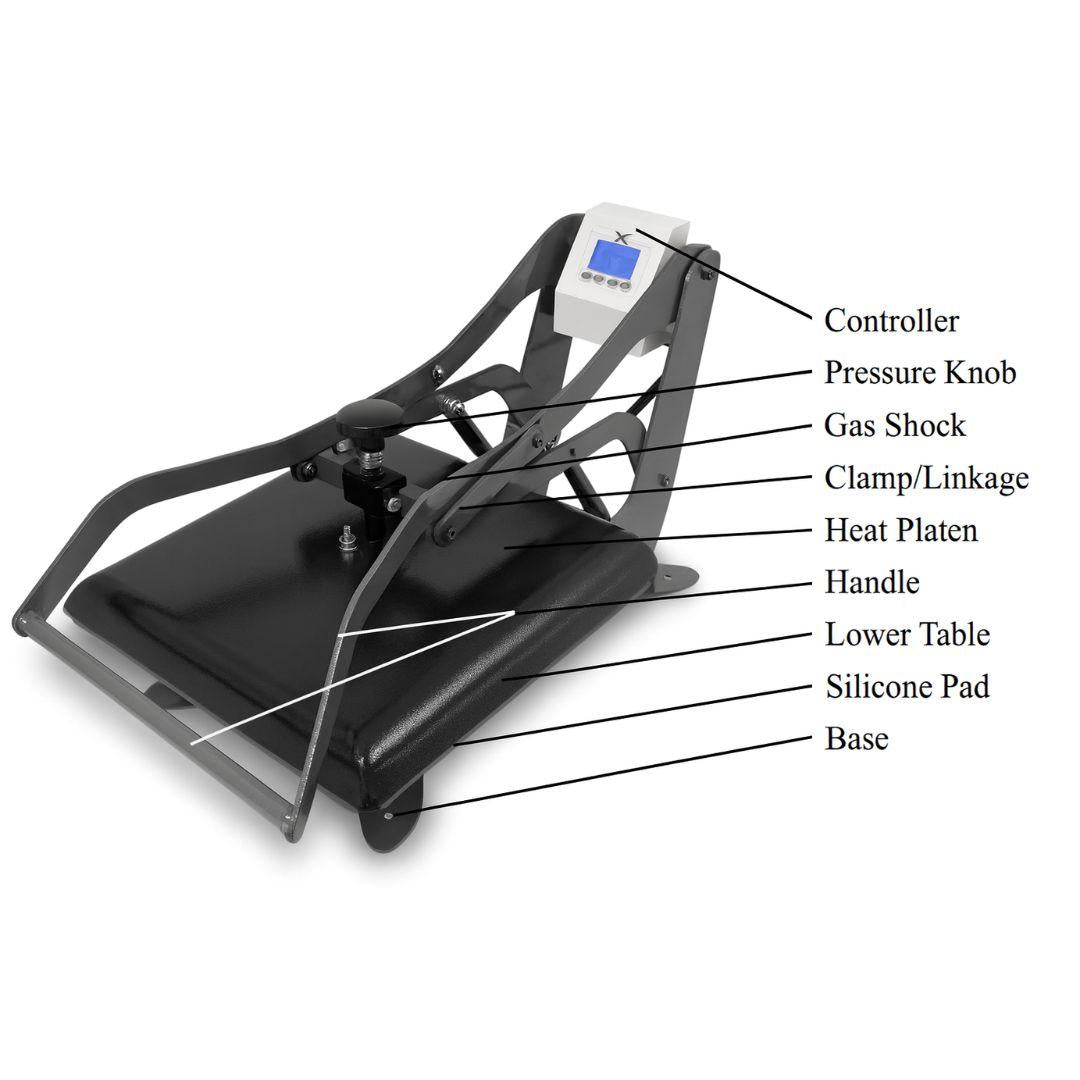
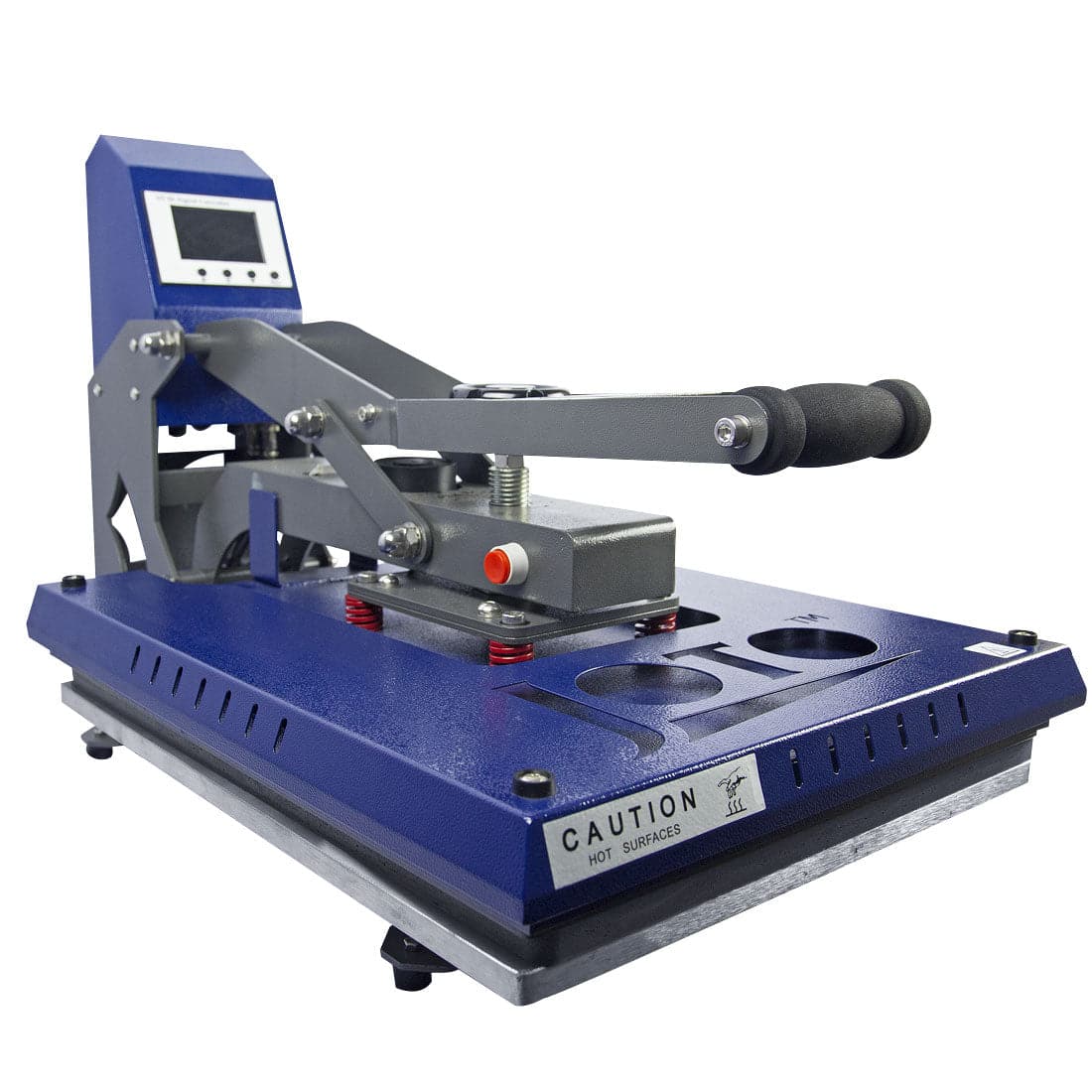
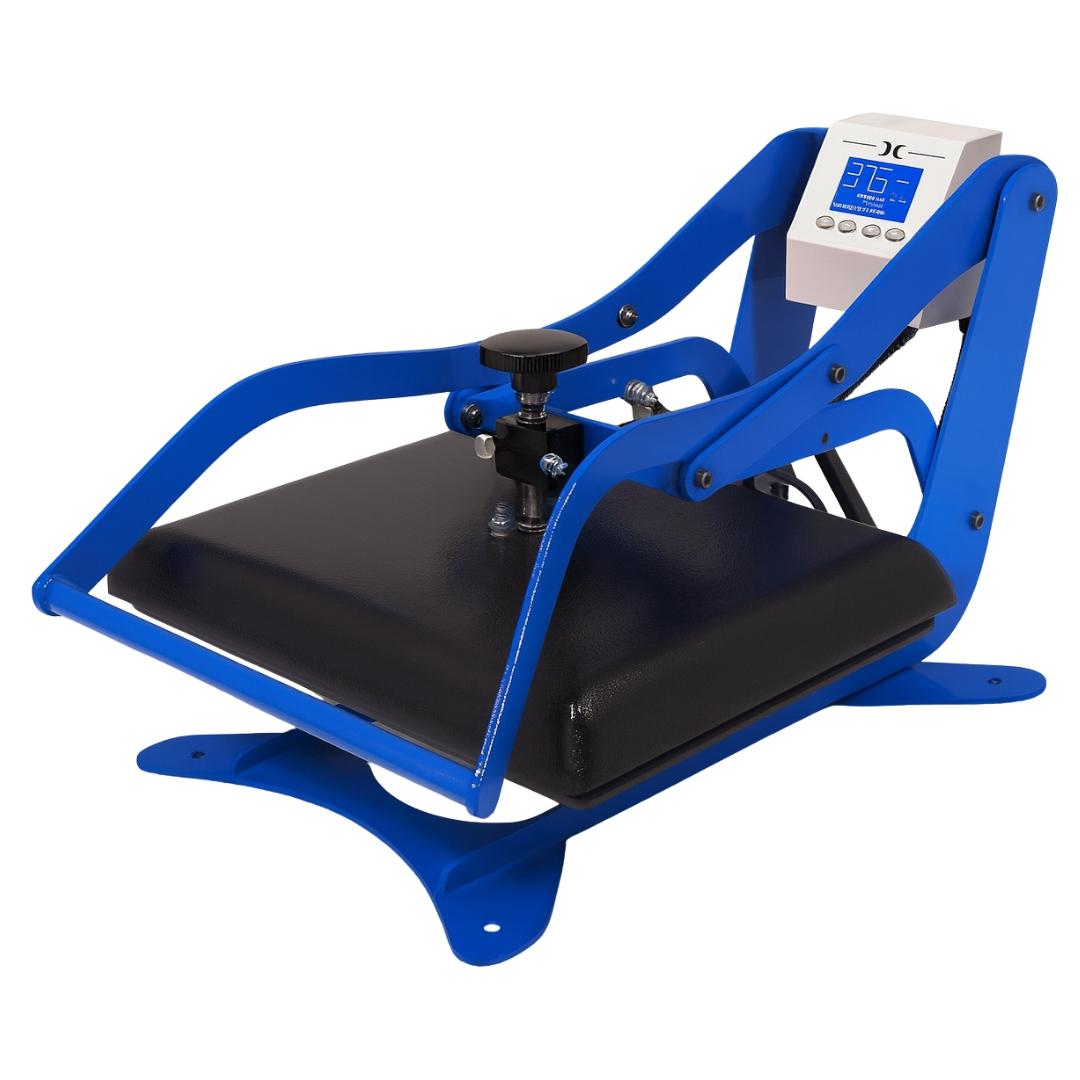
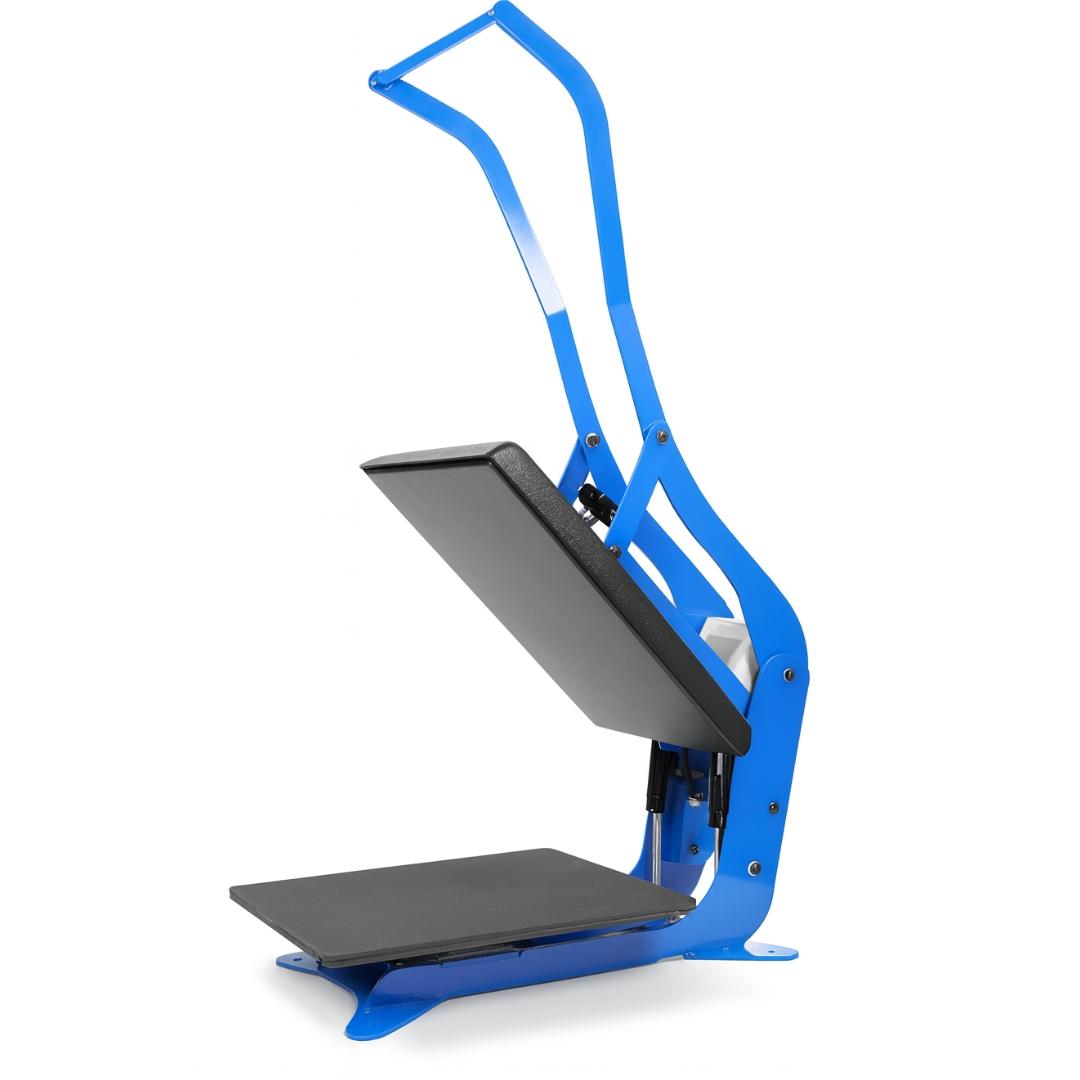
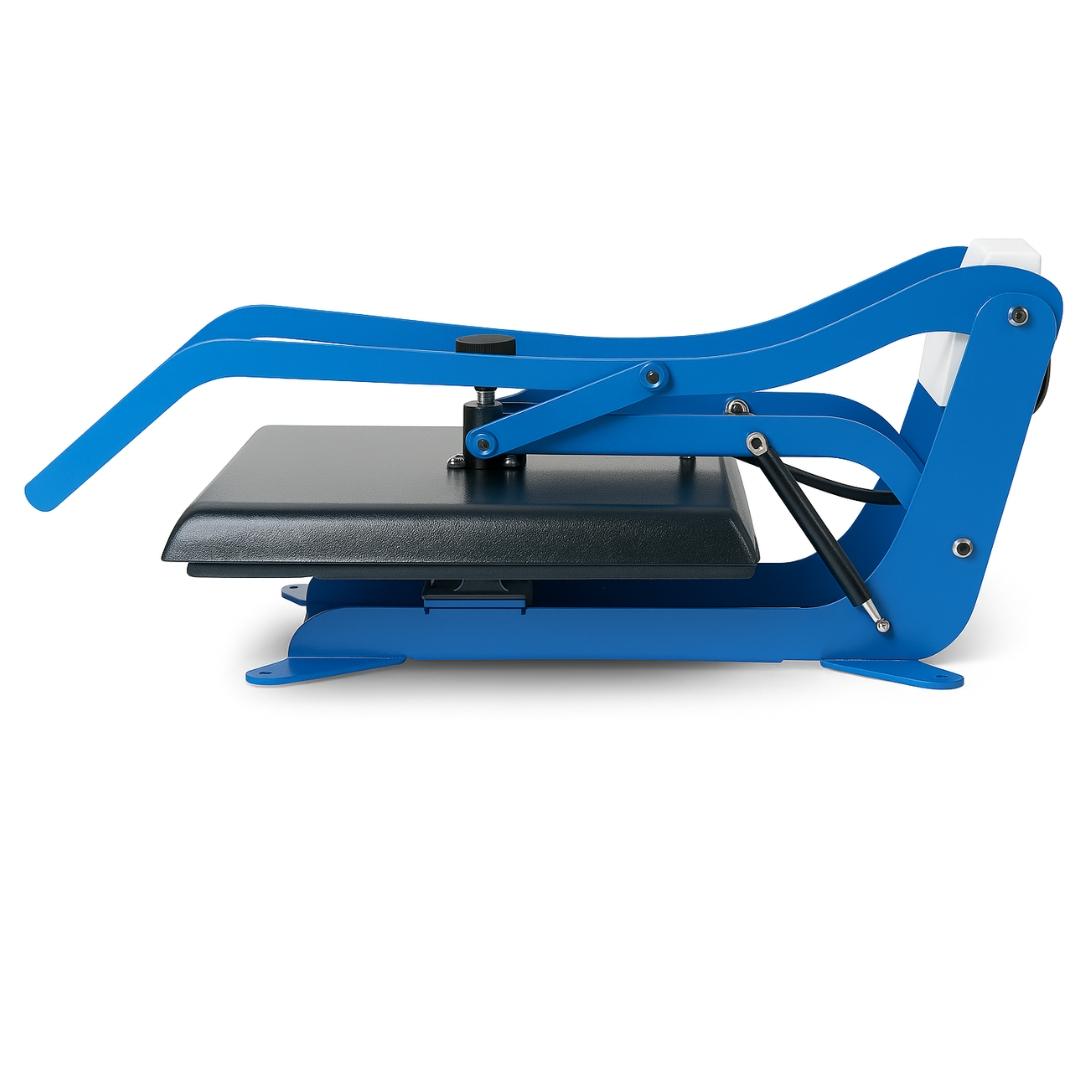
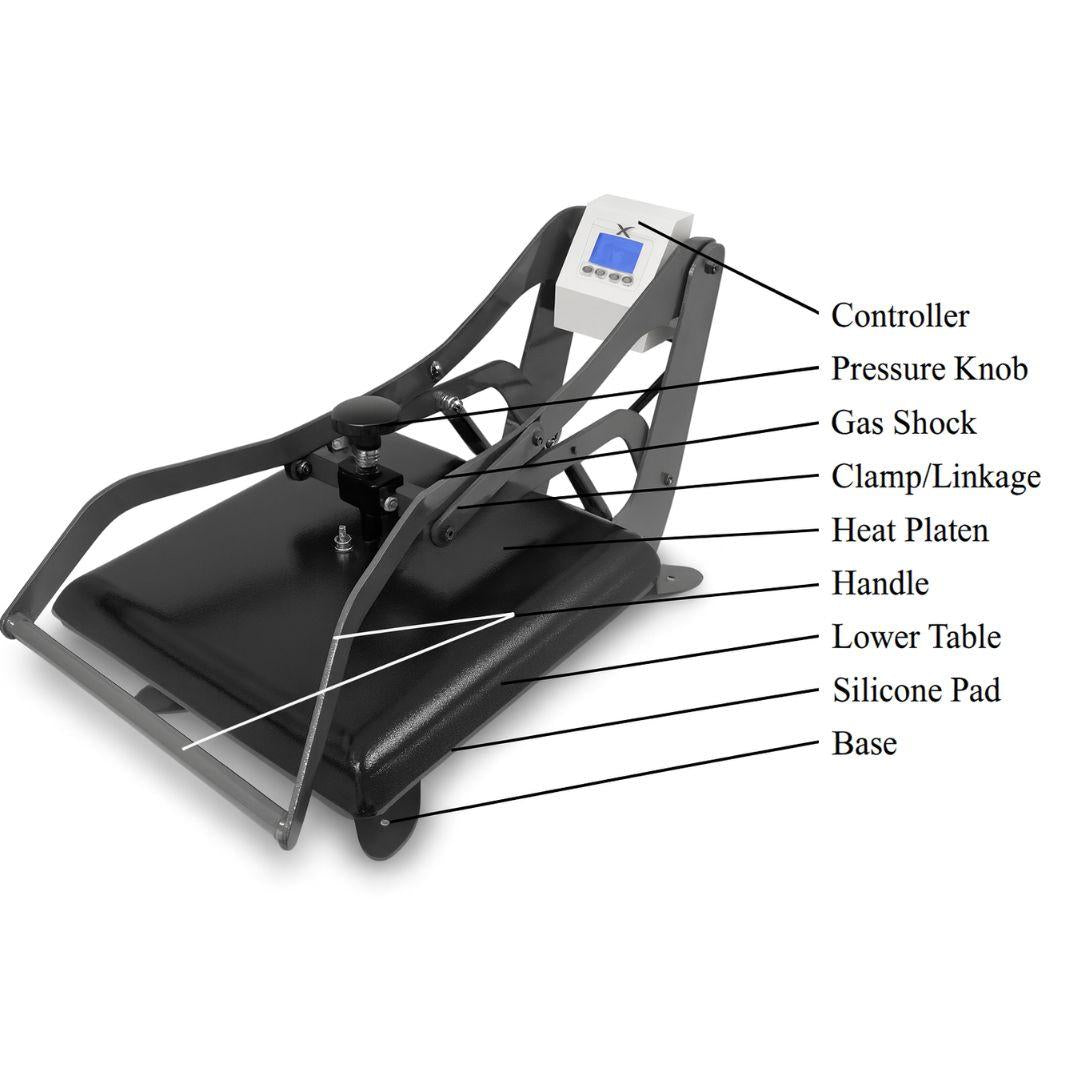
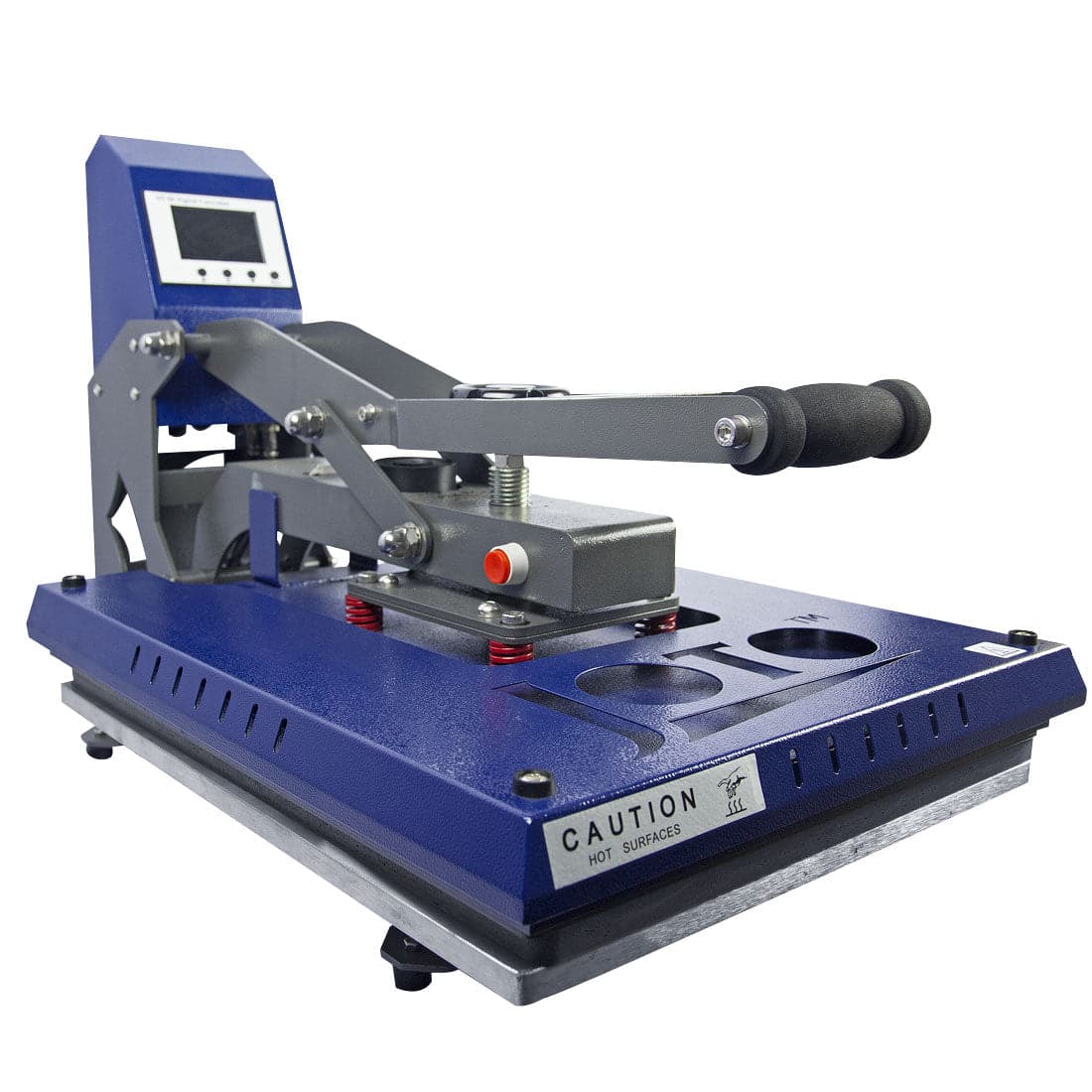
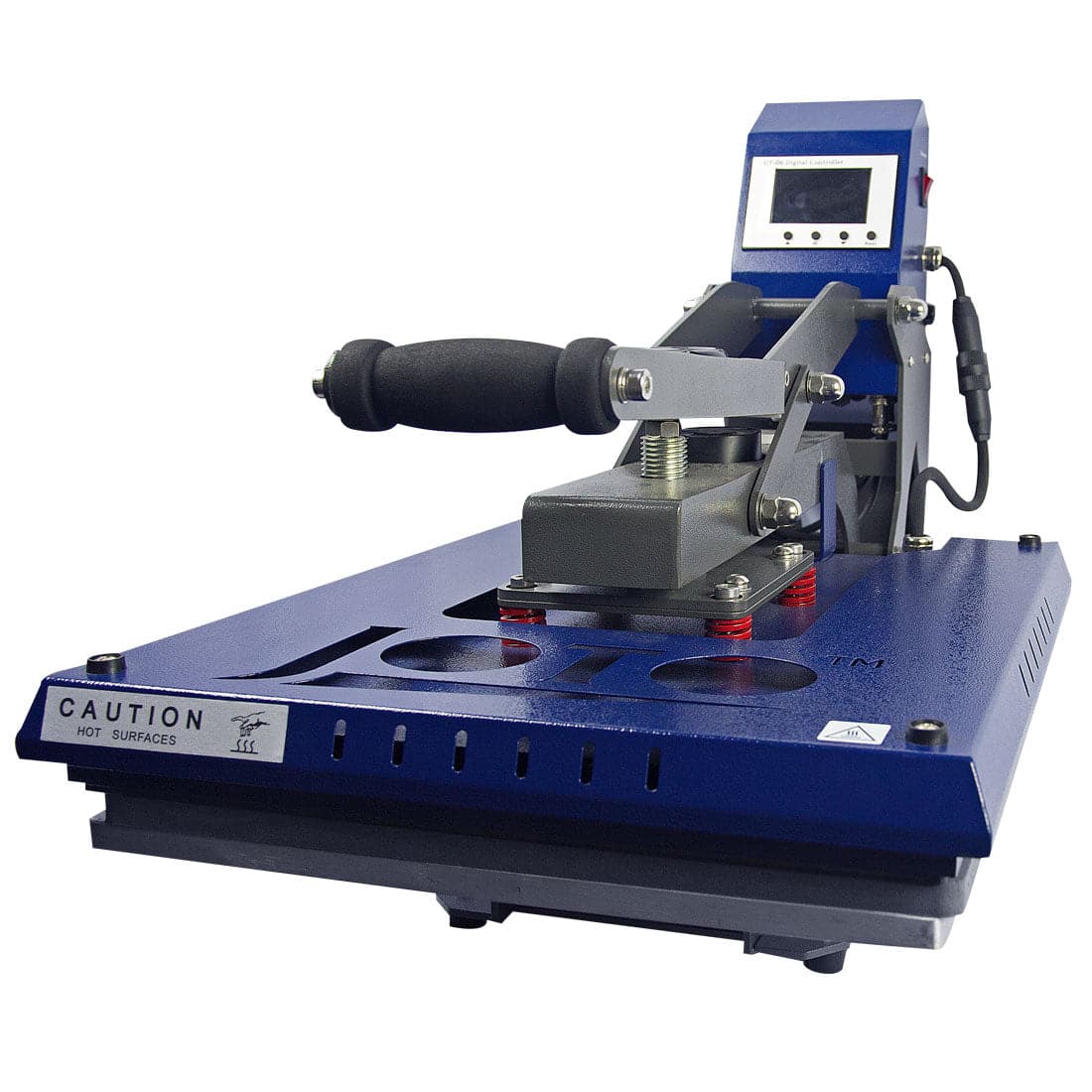
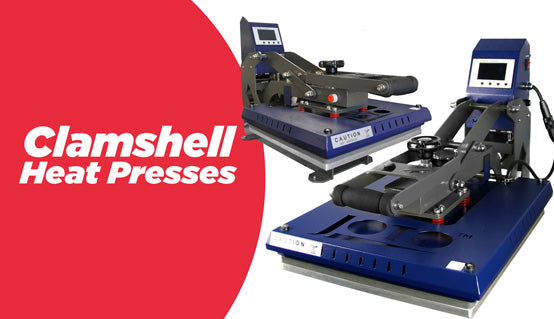
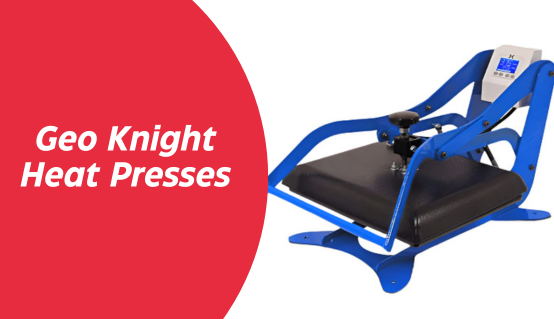
A clamshell heat press is a professional-grade thermal transfer machine featuring a hinged design where the upper heated platen opens and closes like a shell. This compact equipment is engineered to apply precise heat and pressure to bond heat transfer vinyl, sublimation designs, and specialty transfers onto flat textile substrates or hard surfaces. Its space-saving footprint and straightforward operation make it an ideal solution for high-volume garment decoration and small-scale production environments. At Joto Imaging Supplies, we provide durable clamshell presses that ensure consistent temperature distribution and reliable performance for all your heat transfer needs.

What materials and fabrics are compatible with a clam shell heat press?

Clamshell heat presses are highly versatile and compatible with a broad range of textiles, including 100% cotton, polyester, and various cotton-poly blends. Their vertical pressure design is also effective for transferring designs onto specialized substrates such as nylon, spandex, canvas, leather, and even rigid polymer-coated items like ceramics or metals. To ensure professional-grade results and long-term durability, it is essential to adjust the digital temperature and pressure settings to match the specific thermal requirements of the material being decorated. Joto Imaging Supplies provides a comprehensive selection of clamshell presses engineered to handle everything from standard HTV and DTF transfers to high-resolution sublimation projects.

How can I properly maintain my clam shell heat press to ensure its long-term durability and performance?

To ensure the long-term durability and performance of your clam shell heat press, regularly clean the upper platen with a non-abrasive cloth and specialized cleaner to prevent adhesive or ink buildup. Conduct periodic temperature and pressure calibrations using an infrared thermometer or test strips to guarantee consistent heat distribution and industrial-grade transfer results. Additionally, lubricate all moving parts, hinges, and pivot points with high-temperature grease every few months to minimize friction and mechanical wear. Following these technical maintenance protocols will protect your investment and maintain the high-resolution output required for professional apparel decoration.

How do you apply heat transfers using a clam shell heat press?

To apply heat transfers with a professional clamshell heat press, start by preheating your garment to remove moisture and wrinkles, ensuring a smooth surface for optimal adhesion. Position your weeded HTV or transfer design on the substrate and lower the heating platen to engage the locking mechanism, applying consistent pressure according to the manufacturer's specific time and temperature settings. Once the timer expires, carefully open the press and follow the material’s specific hot or cold peel instructions to achieve a durable, industrial-grade bond. Joto Imaging Supplies recommends utilizing a dressable lower platen and high-quality heat-resistant covers to maintain thermal consistency and protect your textiles throughout the production process.

Why is my clam shell heat press applying uneven pressure or heat to my designs?

Uneven pressure in clamshell heat presses often stems from a "pinch effect" where the rear of the platen contacts the substrate first, especially on thicker garments like hoodies. To ensure industrial-grade results, Joto Imaging Supplies recommends using heat press pillows or pads to level the surface and compensate for obstructions like seams or zippers. Cold spots and thermal inconsistencies are typically caused by uncalibrated heating elements or insufficient warm-up times, which can be diagnosed using an infrared thermometer or heat test strips. Utilizing professional-grade equipment with patented over-the-center pressure adjustment and floating upper platens will eliminate these registration issues and maximize your production efficiency.

How can I achieve professional-quality results and optimal color vibrancy when using a clam-style heat press?

To achieve professional-quality results with a clam-style heat press, it is critical to ensure precise temperature calibration and consistent, even pressure across the entire platen surface to prevent cold spots and under-application. Always pre-press your garments to remove moisture and wrinkles, then utilize high-quality transfer media and follow the manufacturer's exact time and temperature settings for optimal color vibrancy and industrial-grade durability. For the best finish, incorporate a heat-resistant cover sheet to protect the upper platen and ensure a clean, crisp transfer that maintains its structural integrity through repeated laundering. By maintaining a stable production environment and verifying pressure readouts, you can guarantee high-resolution graphics and professional-level results on every custom apparel project.

How can investing in a clam shell heat press improve the cost-effectiveness and production speed of my custom apparel business?

Investing in a professional clamshell heat press significantly improves production speed by utilizing a simple up-and-down motion that facilitates rapid cycling for high-volume garment decoration. Their compact footprint maximizes workspace efficiency in limited areas, while the lower initial investment cost compared to swing-away models ensures a faster return on investment for startups and growing businesses. By providing consistent heat and pressure across the platen, these machines minimize material waste and ensure industrial-grade durability for heat transfer vinyl and other thin substrates. At Joto Imaging Supplies, we recommend clamshell presses for high-production environments looking to optimize workflow and reduce setup times for standard apparel projects.

What are the best practices for the proper storage and safety precautions for clam presses to ensure long-term performance and operator safety?

To ensure the long-term performance and operator safety of clam presses, store the units in a cool, dry, and well-ventilated warehouse environment, ideally elevated on shelving to prevent dust accumulation and moisture damage. Always keep the heat platen in the open position when not in use to reduce stress on the internal springs and mechanical components. For optimal operator safety, place the press on a flat, heat-resistant surface, utilize a dedicated electrical circuit to prevent overheating, and always wear heat-resistant gloves when handling the upper platen. Implementing a monthly maintenance schedule that includes lubricating pivot points and inspecting the power cord will further safeguard your investment and minimize production downtime.

How does a clam shell heat press compare to swing-away or drawer-style presses for garment decoration?

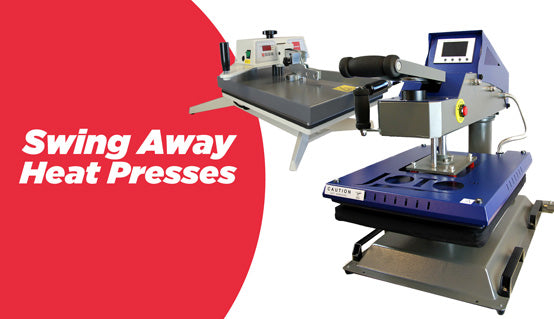
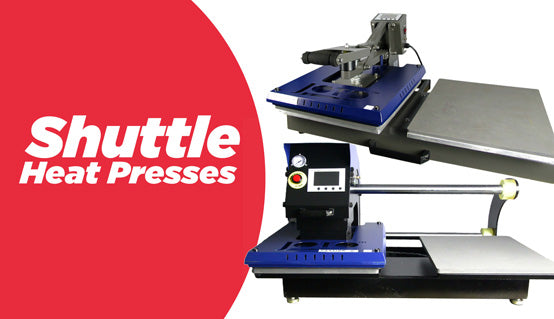
Clam shell heat presses offer a space-saving, cost-effective solution for garment decoration by utilizing a vertical hinge design that is ideal for high-volume production in small workspaces. While swing-away and drawer-style presses provide more clearance for heat-sensitive materials, the clam-style mechanism allows for rapid operation and consistent pressure on thinner substrates like t-shirts and hoodies. Joto Imaging Supplies recommends clam presses for businesses prioritizing speed and efficiency in their transfer workflow, especially when applying heat transfer vinyl or DTF transfers. This durable and user-friendly equipment ensures a professional thermal bond while maximizing operational throughput for essential custom apparel projects.

How can I optimize thread-depth adjustments and platen shimming to ensure perfectly even pressure distribution for high-detail, oversized transfers on a clamshell heat press?

To optimize pressure distribution on a clamshell heat press, precision-tune the thread-depth adjustment knob to ensure the heat platen meets the lower platen with uniform resistance across the entire surface area. For high-detail, oversized transfers that encounter "cold spots" or uneven contact, utilize high-temperature silicone platen shimming or specialized heat-resistant pads to level any mechanical variances in the lower platen. At Joto Imaging Supplies, we recommend performing a "paper test" at all four corners to verify that the clamping force is consistent, preventing the edge-pressure bias common in clamshell designs. This technical calibration ensures the industrial-grade thermal bond required for complex graphics while maximizing the production life of your heat transfer equipment.

aaa

Drawer Title

Similar Products