Skip to content
en
USD

Score a Goal With the Best Prices

Shop Now

Engraving Blanks

Engraving Blanks for Personalization & Gift Businesses


Produce Clean, Permanent Marks on Sellable Products


Shop engraving blanks designed for businesses creating personalized gifts, awards, and branded merchandise for resale. These materials support consistent engraving results, efficient production workflows, and a professional finish customers expect.

Filter

10 products

  • Sort by

Frequently Asked Questions:

What can engraving blanks be used for?

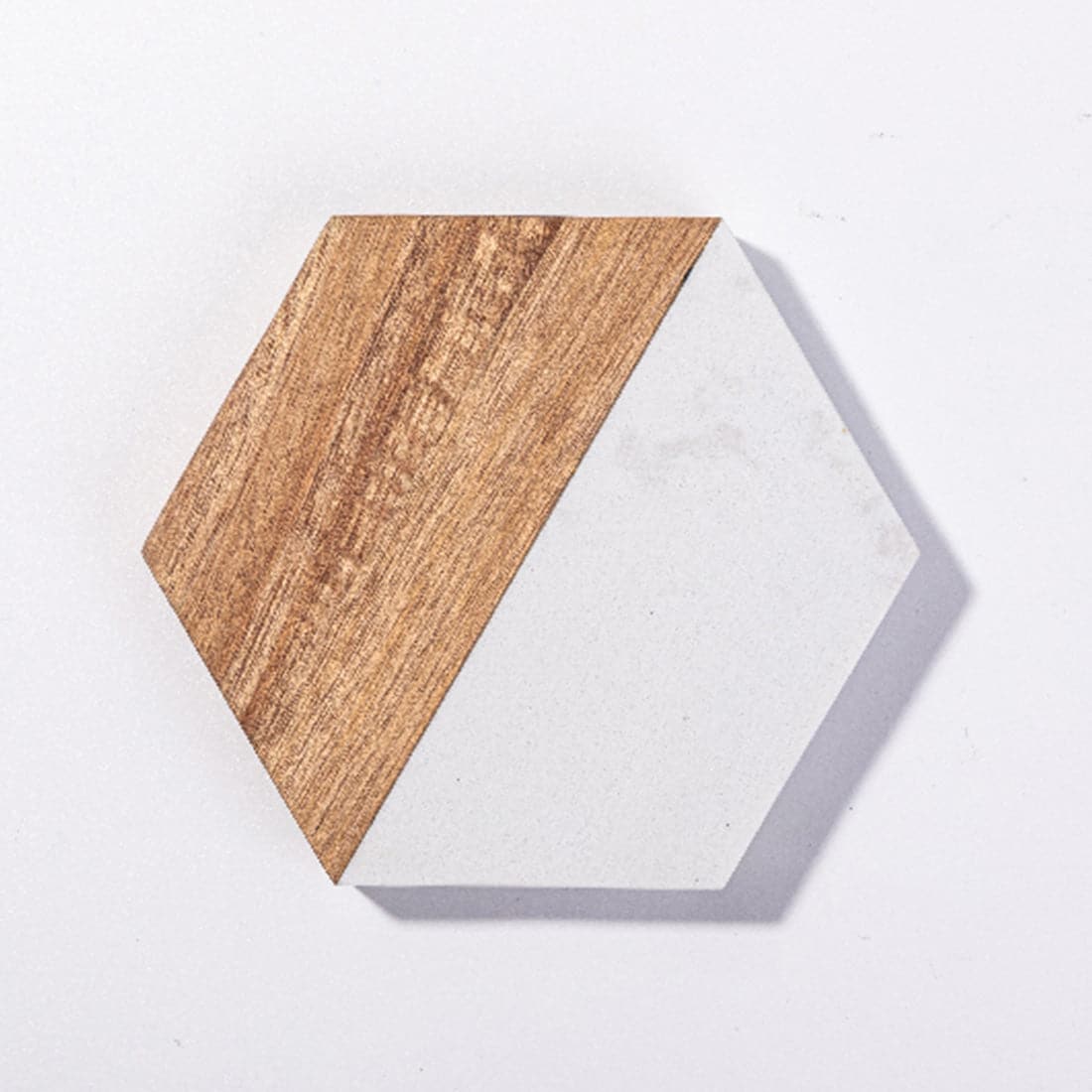
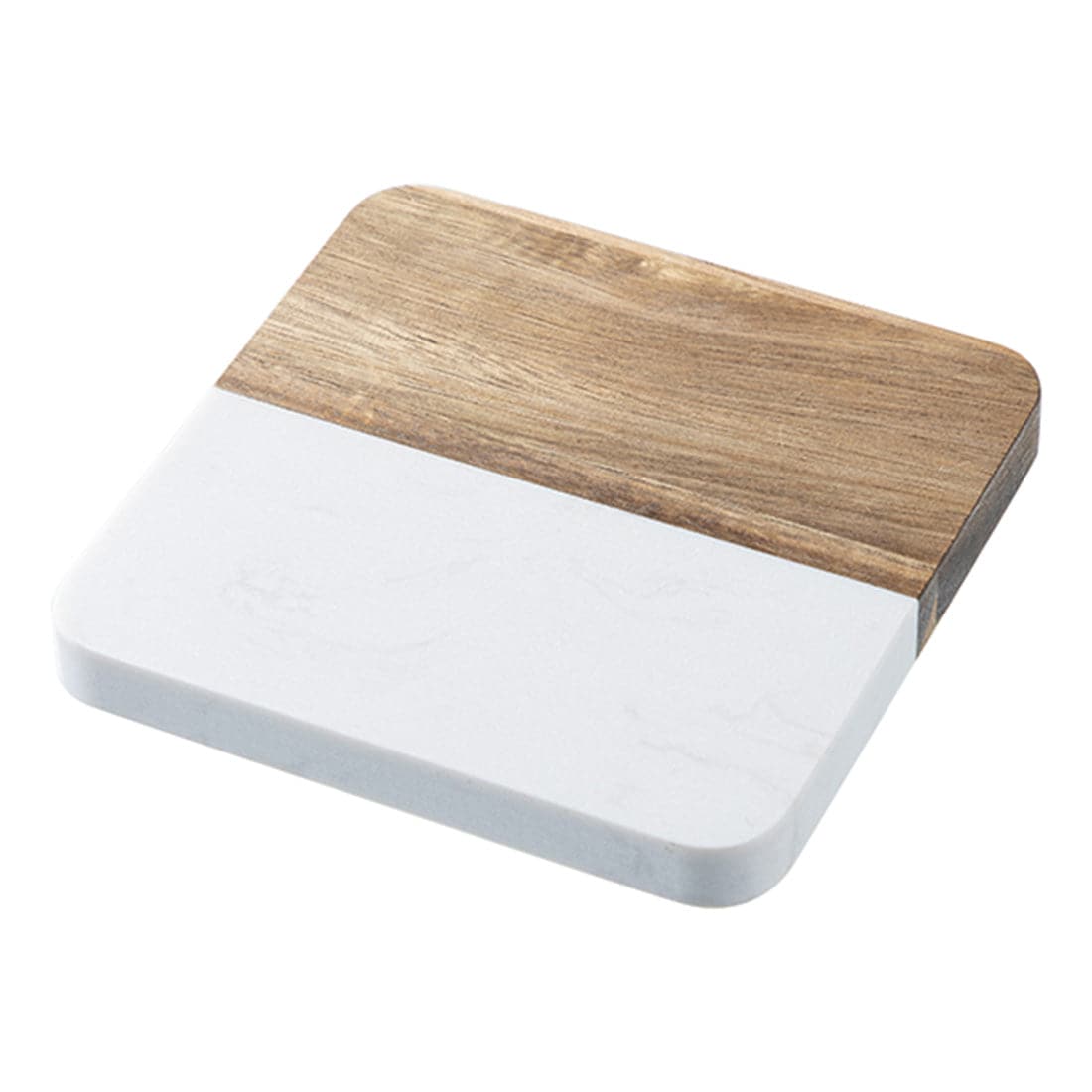
Engraving blanks serve as the foundational substrates for creating high-precision personalized items, ranging from custom jewelry and keychains to sophisticated corporate awards. These versatile materials, including anodized aluminum, wood, and acrylic, are ideal for industrial identification tags, promotional branding, and bespoke home decor like cutting boards or coasters. At Joto Imaging Supplies, our blanks are engineered to ensure optimal results with laser, rotary, or CNC systems, providing clean, high-contrast marks on every project. Whether producing small-scale gifts or high-volume commercial signage, these blanks offer the durability and technical consistency required for professional-grade results.
What materials and engraver settings are compatible with Joto engraving blanks?

Joto engraving blanks are compatible with a wide range of materials, including anodized aluminum, brass, acrylic, and wood, making them ideal for both rotary and laser engraving systems. To achieve precision results, it is essential to calibrate your engraver settings by adjusting the spindle speed, feed rate, and engraving depth based on the specific density and hardness of the substrate. For laser applications, we recommend fine-tuning the power and speed settings to ensure high-contrast marks without compromising the material's surface integrity. Utilizing these high-quality blanks ensures professional durability and aesthetic excellence for industrial tags, corporate awards, and personalized jewelry.

How should I clean and maintain my engraving blanks to ensure long-lasting quality and durability?

To maintain the long-lasting quality of your engraving blanks, clean surfaces with a soft, lint-free microfiber cloth and mild soap or specialized cleaners to prevent abrasions. For anodized aluminum and acrylic substrates, avoid harsh chemicals or solvent-based cleaners that can degrade the protective finish or cause stress cracking. Proper handling with gloves is recommended to minimize oil transfer and oxidation, ensuring a pristine surface for high-contrast laser or rotary engraving. Storing blanks in a temperature-controlled, low-humidity environment further protects the material integrity and ensures consistent results for your personalization business.

How do I properly engrave and personalize engraving blanks using a rotary or laser engraver?

To properly personalize engraving blanks, first secure the substrate onto the workbed of your rotary or laser engraver to ensure stability during the marking process. Configure your software settings by adjusting the power, speed, and frequency based on the specific material, such as anodized aluminum or acrylic, to achieve a clean and high-contrast finish. For rotary systems, select the appropriate diamond drag or carbide cutter depth, while laser users should focus the beam precisely on the surface to maximize detail. Following these technical steps at Joto Imaging Supplies ensures professional-grade results and long-lasting durability for all your custom engraving projects.
Why is my engraving coming out uneven or not deep enough on these engraving blanks?

Uneven or shallow engravings on Joto engraving blanks are typically caused by improper focal length, incorrect power settings, or an unlevel substrate bed. To resolve this, ensure your laser or rotary engraver is precisely focused on the material surface and that your speed and pressure settings are calibrated for the specific density of the blank, whether it is anodized aluminum or acrylic. Additionally, verify that the engraving blank is securely fastened and perfectly flat to prevent variations in depth across the design area. Utilizing high-quality blanks and fine-tuning your equipment settings will ensure consistent, professional-grade results with high-contrast detail.

How can I achieve the most professional finish and high-contrast color vibrancy when working with engraving blanks?

To achieve a professional finish on engraving blanks, you must calibrate your laser or rotary settings to match the specific material density of substrates like anodized aluminum or cast acrylic. Utilizing high-resolution vector artwork and fine-tuning the focal length ensures crisp, high-contrast marks that define intricate details and logos. For enhanced color vibrancy on metal blanks, consider using oxidative marking compounds or adjusting your dithering patterns to create deep, rich tones. At Joto Imaging Supplies, we recommend performing a material test grid on a scrap piece to lock in the optimal speed and power parameters for a consistent, retail-quality result.


How can using engraving blanks help increase the profitability and ROI of my custom personalization business?

Utilizing high-quality engraving blanks from Joto Imaging Supplies allows your business to maximize ROI by reducing material waste and ensuring consistent, high-precision results on every project. These versatile substrates, ranging from anodized aluminum to durable acrylics, support high-margin customization for corporate awards, industrial signage, and personalized gifts. By integrating blanks engineered for laser and rotary systems, you can achieve faster production speeds and professional-grade finishes that command premium pricing. Investing in reliable engraving blanks ultimately streamlines your workflow, enhances brand authority, and significantly boosts the profitability of your custom personalization services.
What are the best practices for the safe storage and handling of engraving blanks to prevent surface damage?

To prevent surface damage, engraving blanks should be stored in a cool, dry, climate-controlled environment to mitigate the risk of oxidation and moisture-related corrosion. At Joto Imaging Supplies, we recommend keeping blanks in their original protective packaging or using acid-free interleaving paper to prevent scratches, abrasions, and fingerprints during handling. Always handle substrates by the edges using lint-free gloves to maintain the integrity of the specialized coatings, especially on sensitive materials like anodized aluminum or polished acrylic. Implementing these professional storage and handling protocols ensures that your engraving blanks remain in pristine condition for high-precision laser or rotary customization.
How do engraving blanks compare to other decoration methods like heat transfer paper, vinyl cutting, or sublimation?

Engraving blanks offer superior physical durability and a tactile, high-end finish compared to topical decoration methods like heat transfer paper, vinyl cutting, or sublimation. While sublimation and heat transfers rely on chemical bonds or adhesives to apply color to a surface, engraving physically alters the substrate via laser or rotary tools to create permanent, wear-resistant marks. This process is ideal for industrial tags and corporate awards where longevity is critical, as the resulting design cannot peel, fade, or wash away over time. By utilizing high-quality materials like anodized aluminum or cast acrylic, businesses can achieve a professional, multi-dimensional aesthetic that maximizes the value and ROI of their custom products.

How can I achieve high-detail photographic results on anodized aluminum engraving blanks using variable power settings and dithering techniques?

To achieve high-detail photographic results on anodized aluminum engraving blanks, utilize a high-resolution dithering pattern like Jarvis or Stucki to accurately represent gradients and shading. Fine-tune your laser’s variable power settings to ensure the beam removes only the anodic layer without scorching the underlying metal, maintaining sharp contrast and clarity. At Joto Imaging Supplies, we recommend running a power scale test on a scrap piece of aluminum to determine the precise speed and frequency required for your specific equipment. This technical approach ensures professional-grade, permanent photographic marks that are ideal for high-end personalized gifts and industrial identification.

aaa

Drawer Title

Similar Products