Skip to content
en
USD

Score a Goal With the Best Prices

Shop Now

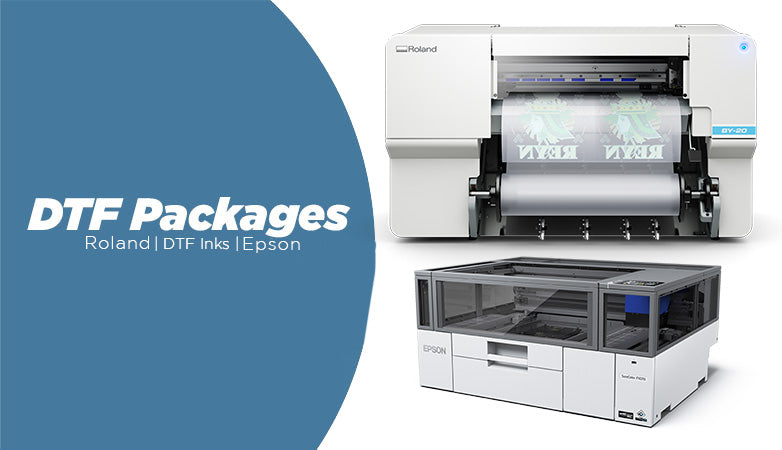
DTF Packages


DTF Packages for Apparel Decoration Businesses


Launch or Expand Your Direct to Film Production Setup


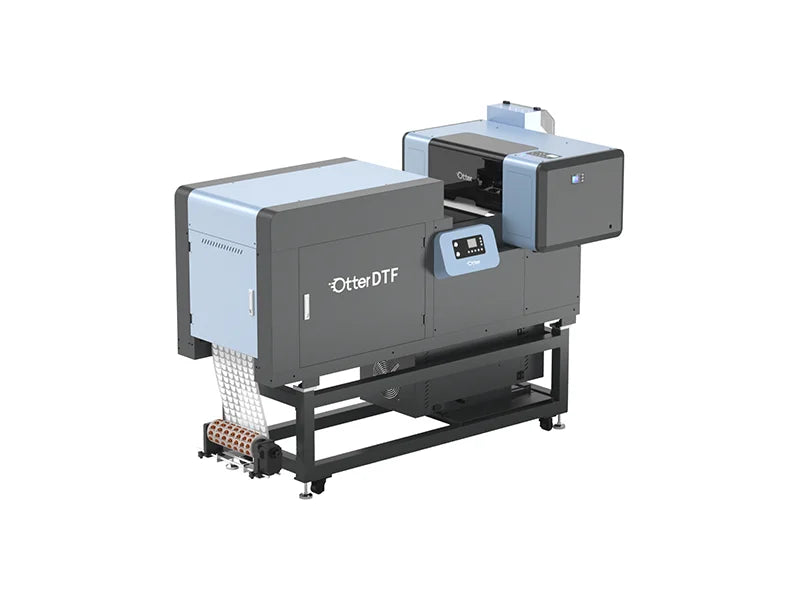
Browse complete DTF packages designed for print shops and merch brands building scalable apparel workflows.
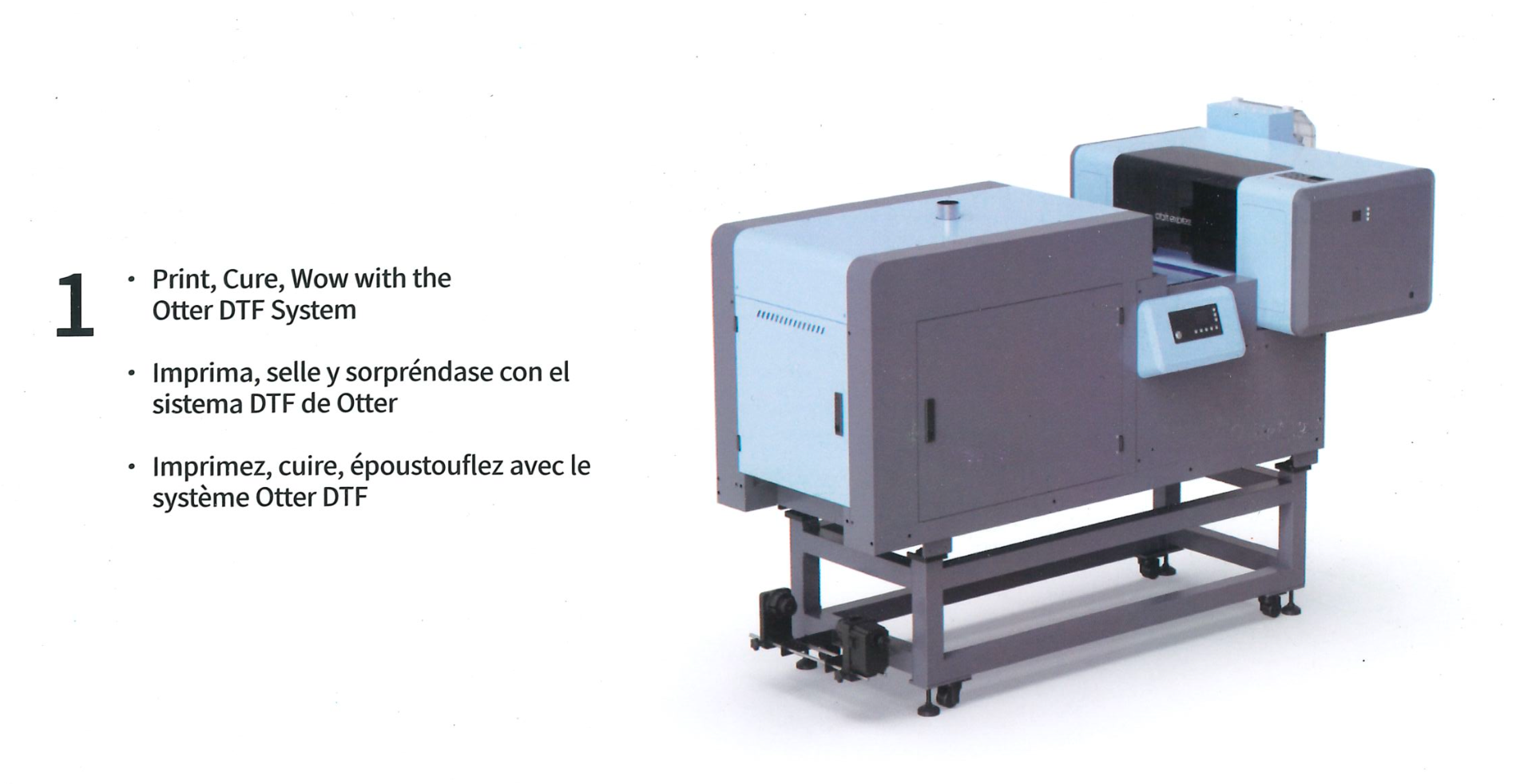
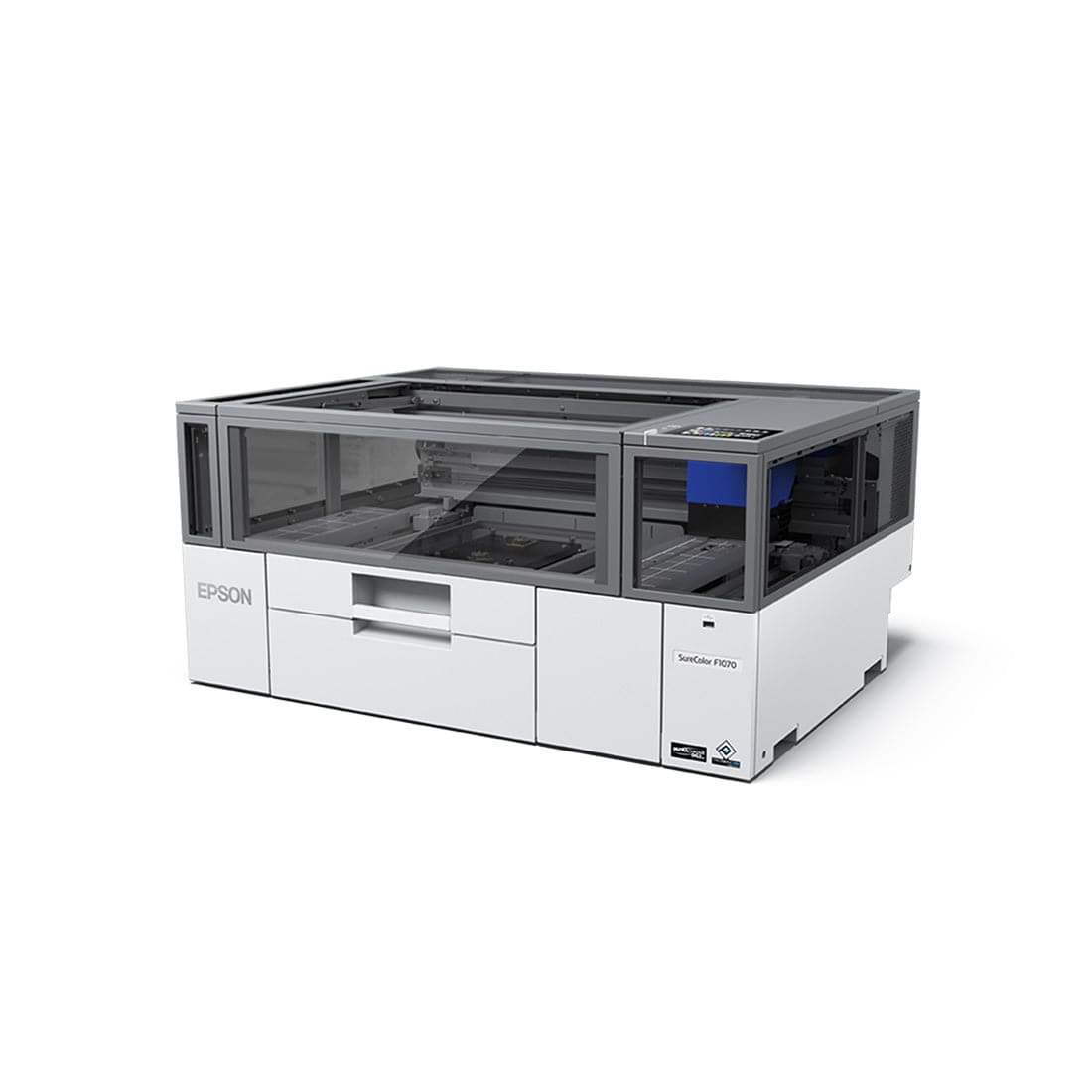
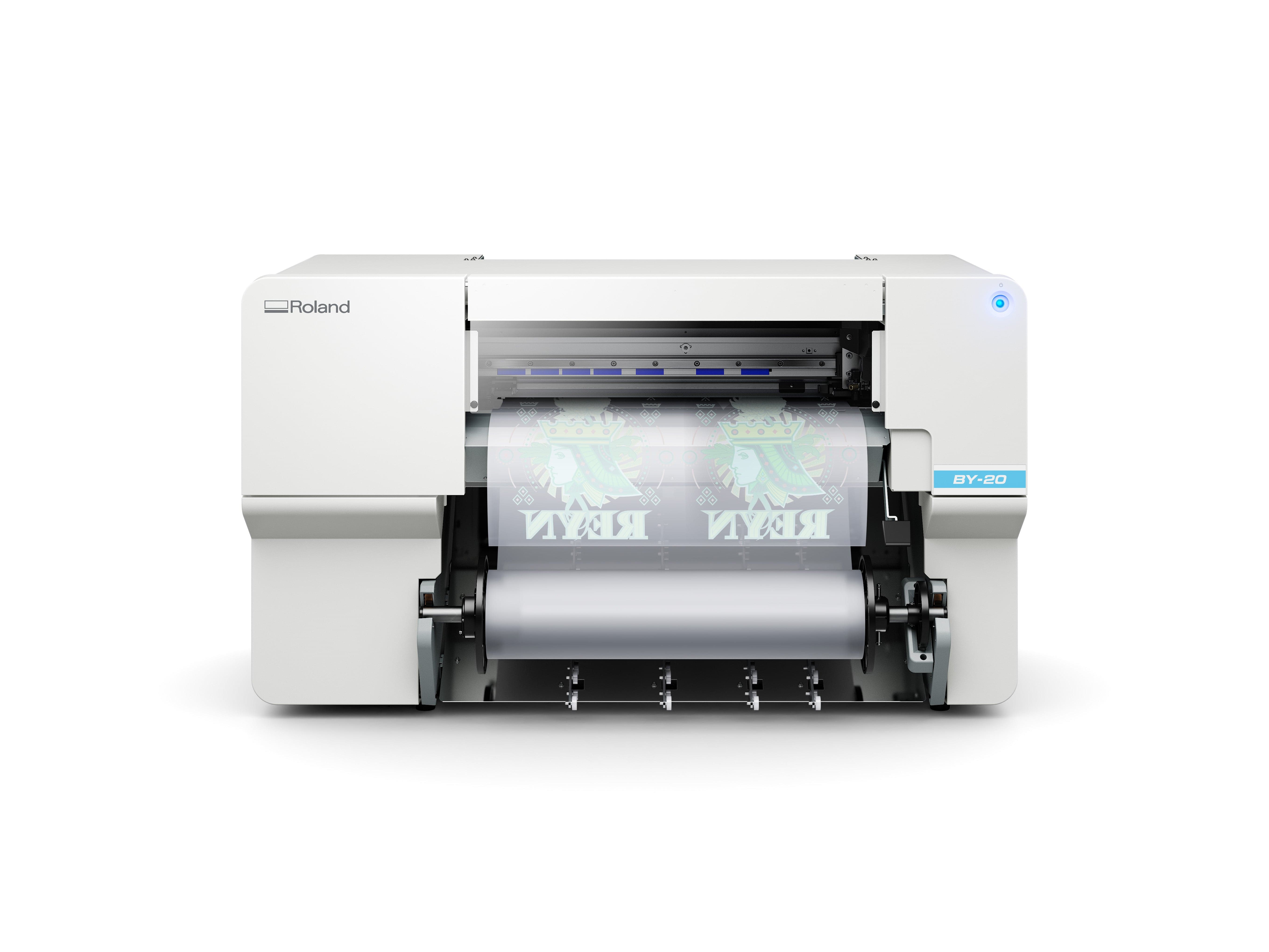
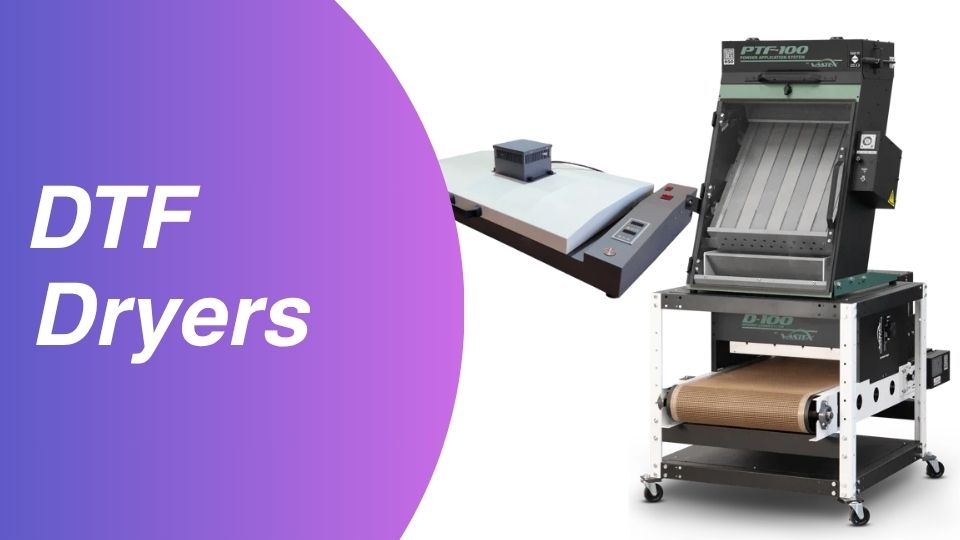
Combine printer, curing, and essential components into a streamlined production system.
Ideal for generating consistent, retail-ready transfers with predictable operating performance.

Filter

23 products

  • Sort by

Frequently Asked Questions:

What are DTF printer packages?

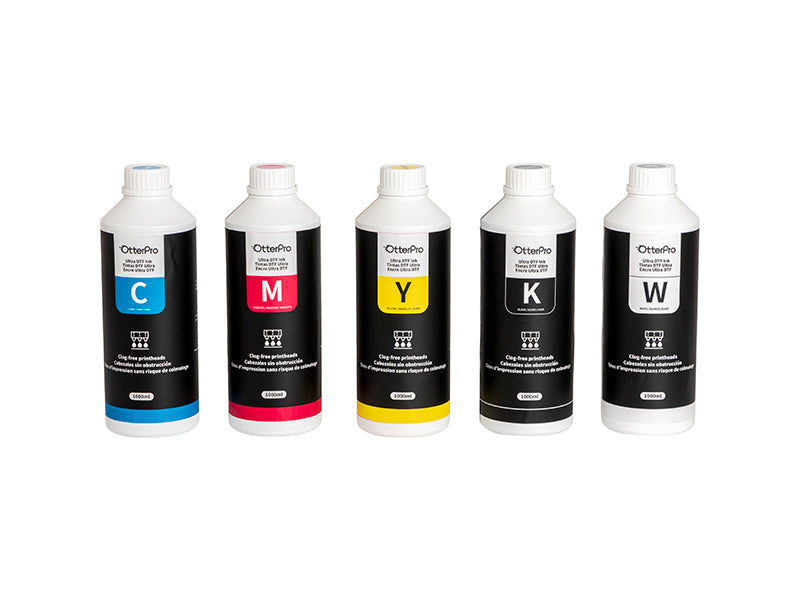
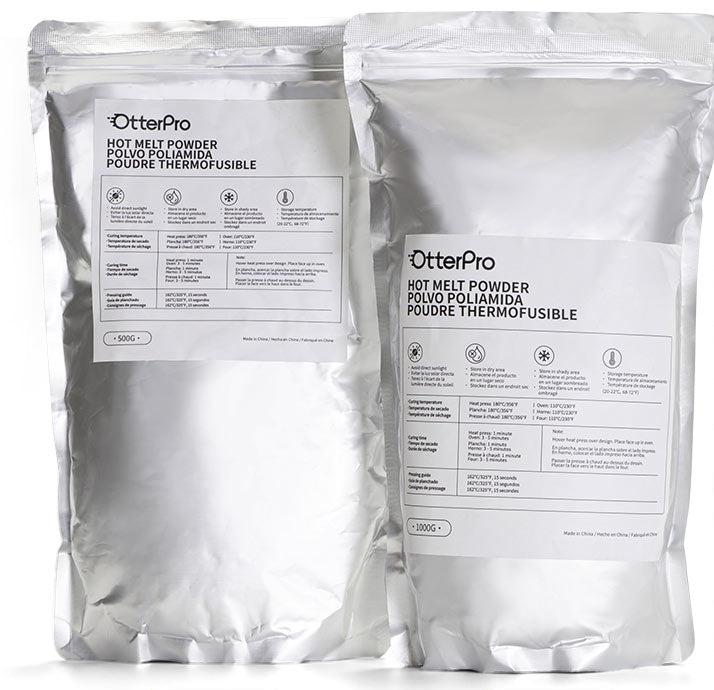
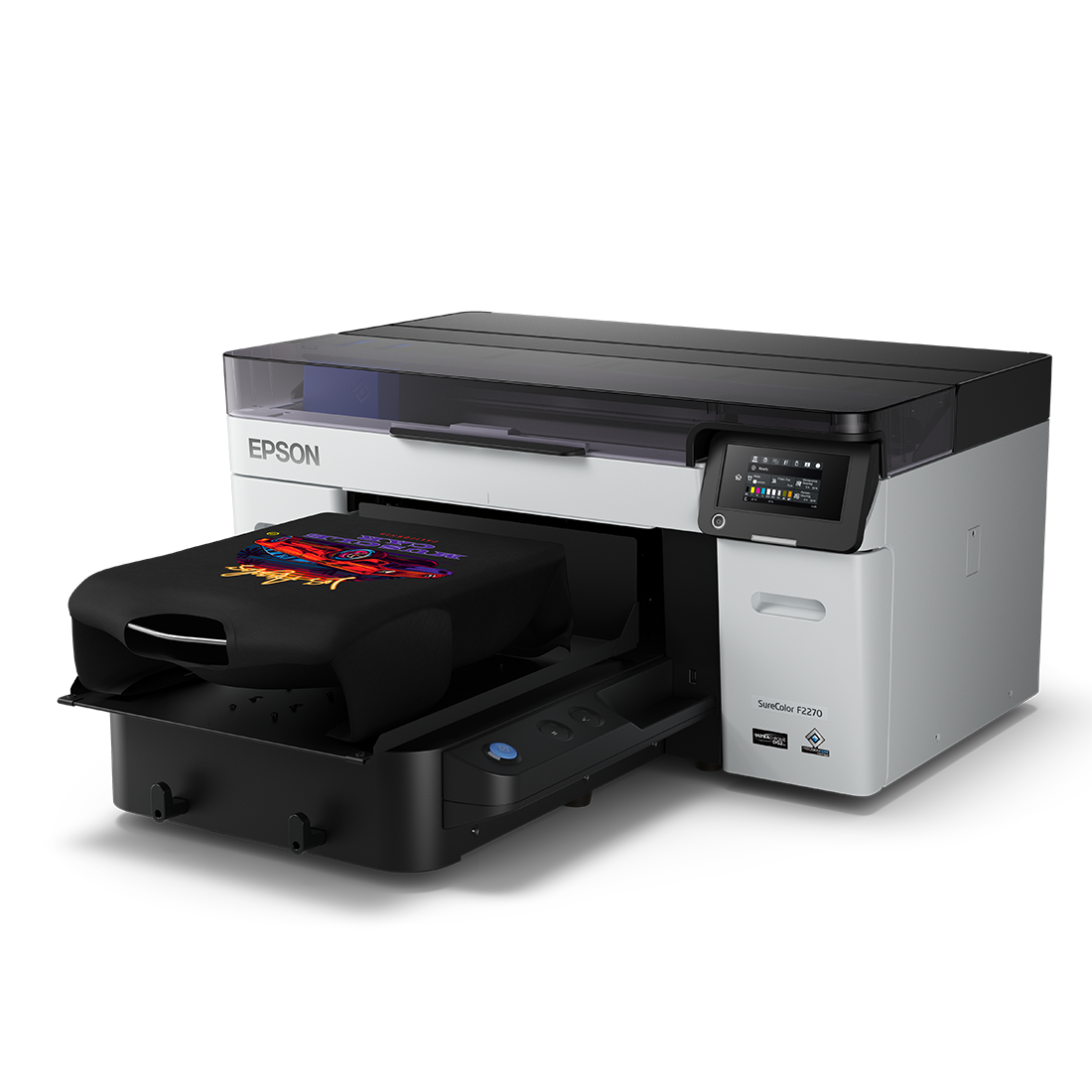
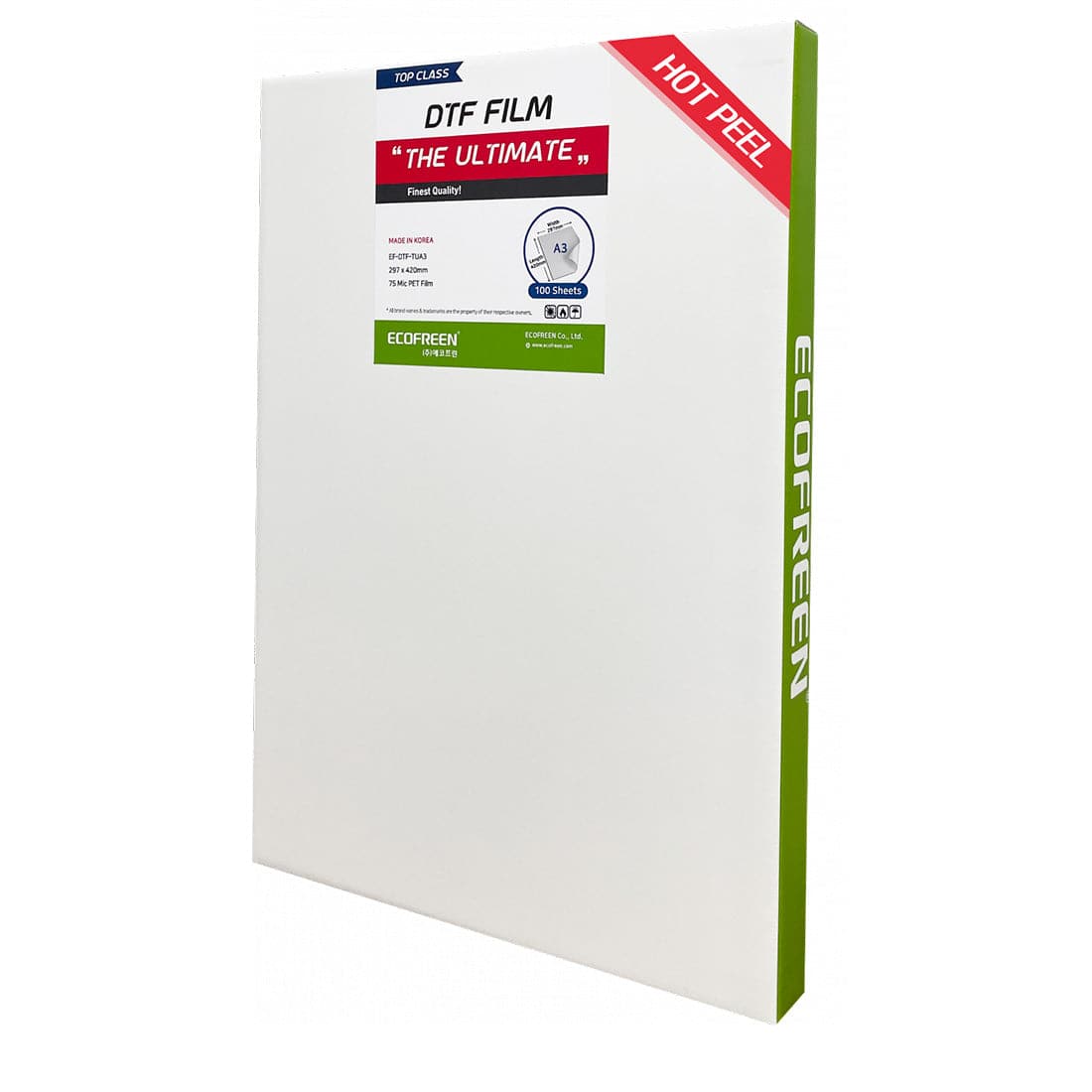
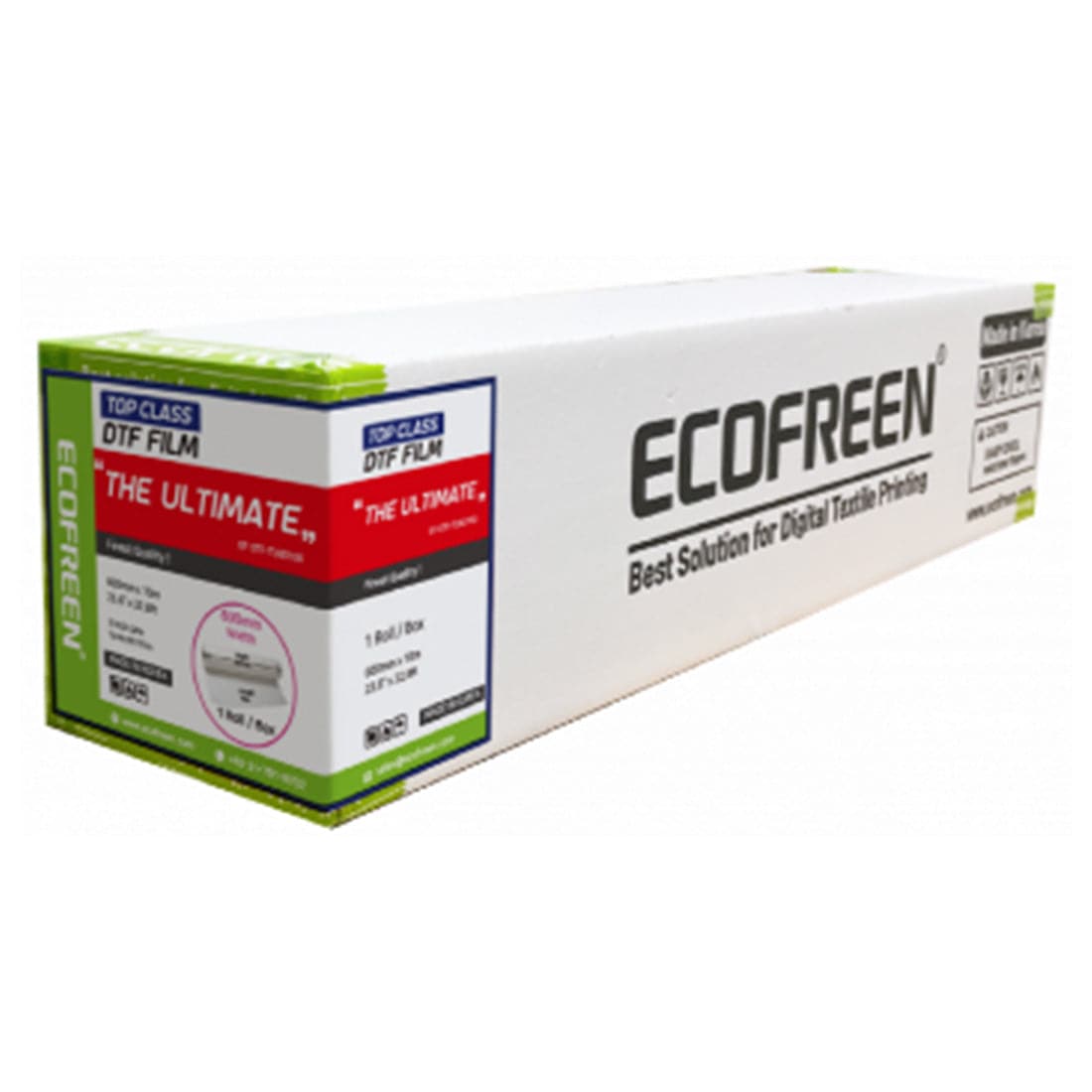
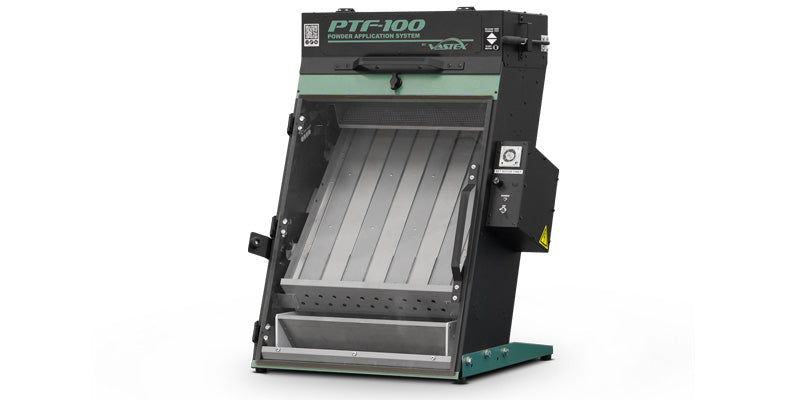
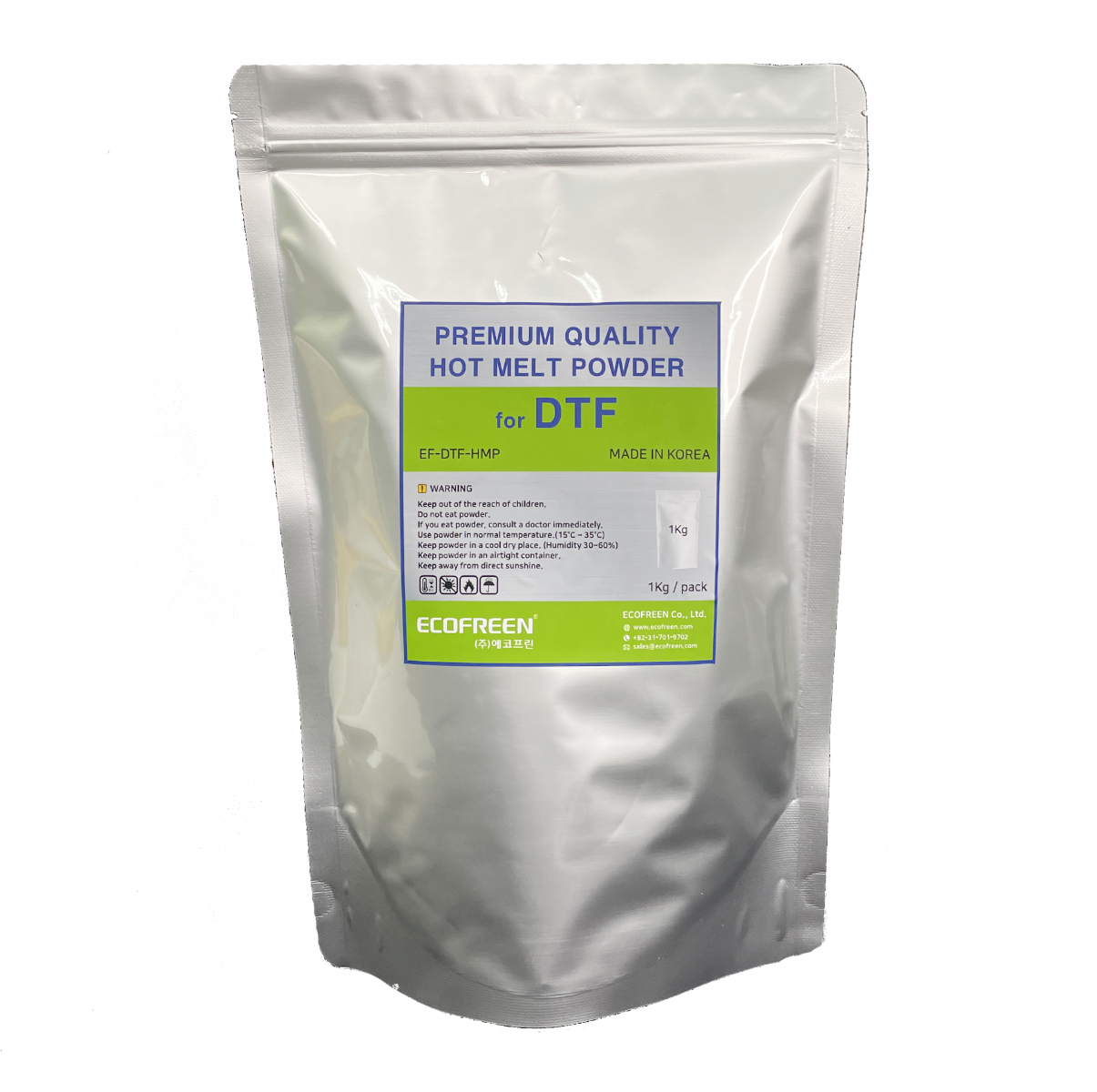
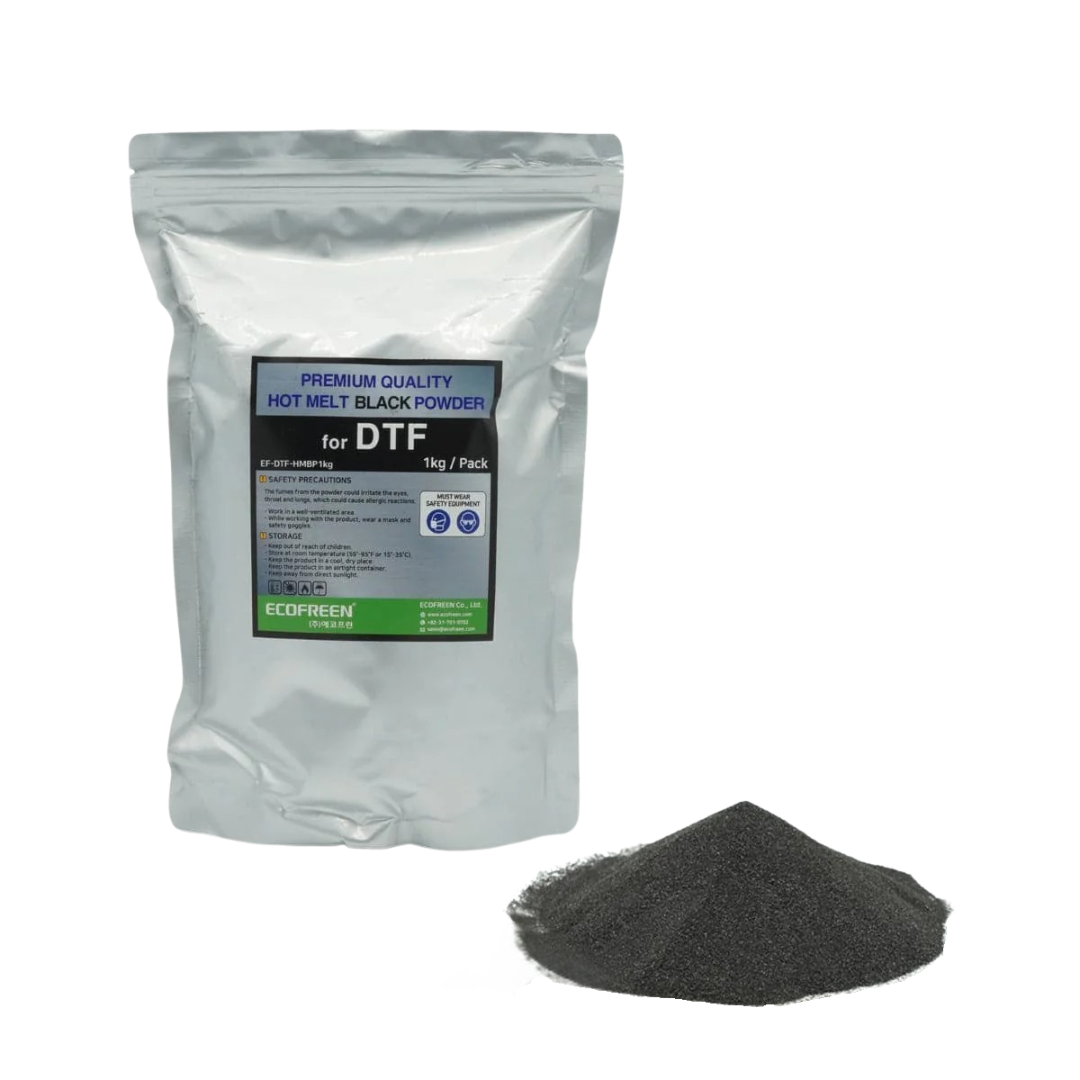
Direct-to-Film (DTF) printer packages are comprehensive, all-in-one solutions that include a high-performance inkjet printer, specialized PET film, adhesive powder, and textile inks. These curated bundles often feature essential post-processing equipment like curing ovens or automatic powder shakers to ensure a seamless and efficient production workflow. By providing matched components and RIP software, these packages allow businesses to immediately produce vibrant, durable transfers for a wide range of garment substrates without the need for pretreatment. Selecting a complete DTF kit from Joto Imaging Supplies ensures technical compatibility and professional-grade results for both start-ups and high-volume apparel decorators.

What fabrics and materials are compatible with DTF printer packages?

Direct-to-Film (DTF) printer packages from Joto Imaging Supplies offer exceptional versatility, engineered for compatibility with a diverse range of textiles including 100% cotton, polyester, and various cotton-poly blends. This innovative technology also provides superior adhesion to more challenging substrates such as nylon, denim, canvas, and even specialty materials like leather or spandex. By utilizing high-quality PET films and heat-activated adhesive powders, DTF transfers ensure vibrant, durable results on both light and dark fabrics without the need for complex pre-treatment. Our comprehensive printer bundles empower your business to expand production across performance athletic wear, rugged workwear, and high-detail custom apparel with industrial-grade reliability.
How long do DTF transfers from these packages typically last after multiple wash cycles?

High-quality DTF transfers from our professional packages are engineered for industrial-grade durability, typically maintaining their integrity for 50 to 100 wash cycles when applied with optimal heat and pressure. The longevity of your custom apparel depends on the precise fusion of premium TPU adhesive powder and high-quality pigment inks into the textile fibers. To maximize wash fastness and prevent cracking or fading, we recommend waiting 24 hours before the first launder and consistently washing garments inside out in cold water. By following these technical best practices, your DTF prints will maintain superior color vibrancy and structural integrity throughout the life of the garment.

How do you set up and use a DTF printer package to create custom garment transfers?

To set up your DTF printer package, begin by installing the specialized RIP software and configuring your printer for high-resolution output on premium PET film. Once the design is printed, apply a uniform layer of TPU adhesive powder to the wet ink and cure it using a DTF oven or a heat press to create a stable transfer. Position the cured film on your garment and press at 300°F to 320°F for 10 to 15 seconds to achieve a permanent, high-stretch bond with the fabric. This professional workflow ensures industrial-grade durability and vibrant color reproduction for all your custom apparel projects.

What are the most common troubleshooting issues when setting up or using a DTF package for the first time?

The most common troubleshooting issues during initial DTF package setup include print head clogging caused by white ink sedimentation and improper environmental humidity levels. Users often encounter inconsistent transfers due to uneven TPU adhesive powder application or incorrect curing temperatures within the DTF oven. Precise calibration of RIP software settings and regular maintenance of the white ink circulation system are critical to prevent nozzle deflection and ensure high-resolution color accuracy. Maintaining a stable production environment between 40% and 60% humidity is essential for optimal ink flow and to prevent PET film tracking errors.

How can I achieve professional-level color vibrancy and print quality with DTF packages?

To achieve professional-level color vibrancy and print quality with Joto DTF packages, it is essential to utilize high-quality DTF inks and premium PET transfer films specifically engineered for optimal ink absorption and release. Implementing optimized ICC profiles within your RIP software is critical to ensure precise color management and gamut accuracy, which prevents muddy or undersaturated results. Furthermore, maintaining a stable production environment with consistent humidity and precisely calibrating your curing oven and heat press settings will ensure a permanent, high-resolution bond with the textile fibers.

How can investing in DTF packages improve the cost-effectiveness and scalability of my custom apparel business?

Investing in DTF packages from Joto Imaging Supplies significantly improves cost-effectiveness by eliminating the expensive screens, emulsions, and labor-intensive setup requirements of traditional printing. These all-in-one systems streamline your production workflow with high-speed digital printing and automated powder application, enabling profitable on-demand customization and low-volume orders that were previously cost-prohibitive. The inherent versatility of Direct-to-Film technology allows you to scale across a broad range of substrates—including cotton, polyester, and nylon—without the need for complex pre-treatment cycles. By utilizing our professional-grade consumables and equipment, your business achieves industrial-level durability and photographic detail while minimizing material waste and optimizing overhead for long-term growth.

What are the best practices for the proper storage and handling of DTF packages to ensure their longevity and safety?

To maintain the integrity of your DTF packages, store PET transfer films and TPU adhesive powders in a climate-controlled environment with a stable relative humidity between 40% and 60%. Ensure that DTF inks are kept in a cool, dark space away from direct sunlight to prevent pigment sedimentation and maintain optimal viscosity for high-resolution printing. Always keep consumables in their original airtight packaging to shield them from dust and moisture, which can compromise adhesive bonding and overall transfer quality. Adhering to these professional storage standards protects your equipment investment and ensures consistent, industrial-grade results for your custom apparel production.

How do DTF packages compare to screen printing or sublimation for high-volume custom apparel decoration?

Direct-to-Film (DTF) packages provide a versatile, all-in-one solution for high-volume custom apparel decoration, offering a lower entry cost and simpler setup compared to the extensive screen preparation required for traditional screen printing. Unlike sublimation, which is restricted to light-colored polyester, DTF technology allows for vibrant, full-color transfers on both dark and light cotton, blends, and synthetic textiles with superior stretchability and durability. By integrating a complete DTF system, businesses can achieve industrial-grade production speeds for complex designs without the color limitations of screen printing or the substrate restrictions of sublimation. Joto Imaging Supplies offers comprehensive DTF packages engineered to maximize workflow efficiency and profitability for professional garment decorators.
How can I optimize the white ink circulation and powder application settings in my DTF package to ensure maximum wash fastness and prevent film curling during high-volume production?

To ensure maximum wash fastness in high-volume DTF production, activate your system's automated white ink circulation to prevent titanium dioxide sedimentation and nozzle clogging. Precisely calibrate your automatic powder shaker to apply a uniform layer of TPU adhesive, ensuring even coverage while effectively removing excess powder to prevent film curling. For optimal durability, implement a dual-stage curing profile at approximately 320°F to fully polymerize the ink and adhesive bond without warping the PET film. At Joto Imaging Supplies, we recommend maintaining a stable production environment with humidity between 40% and 60% to ensure consistent performance across large batches.

aaa

Drawer Title

Similar Products