















Skip to content
en
USD

Score a Goal With the Best Prices

Shop Now

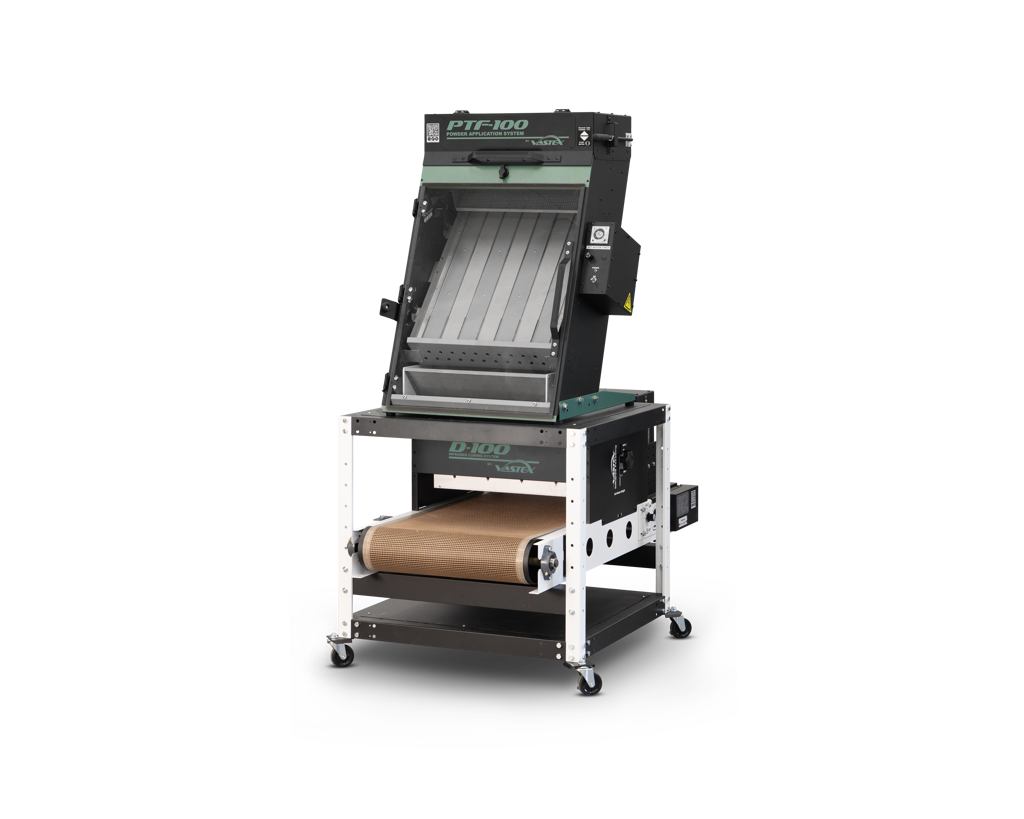
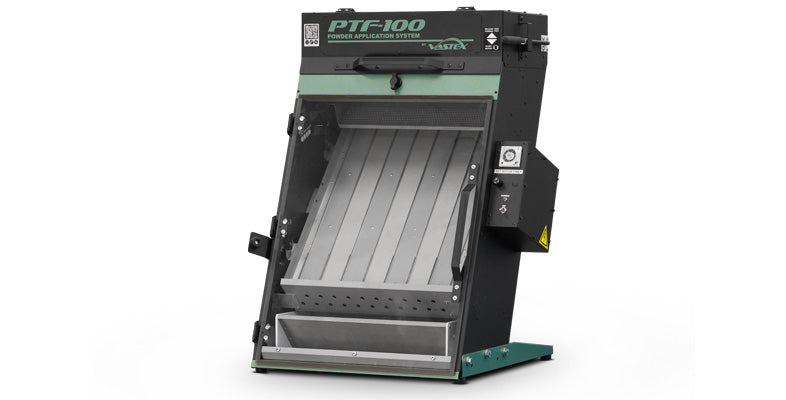
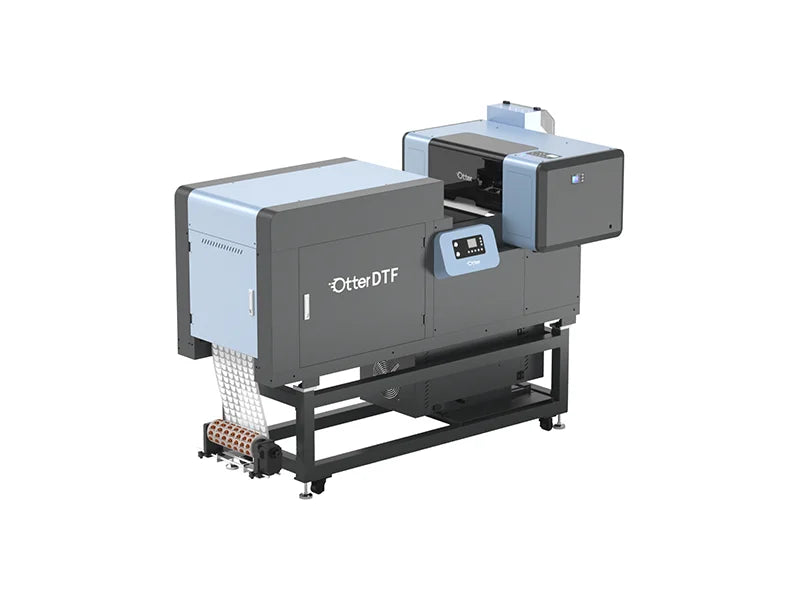
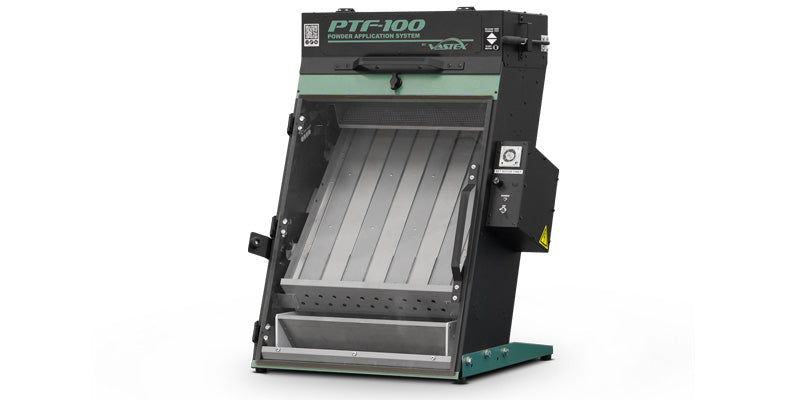
DTF Powder Shaker


DTF Powder Shakers for Production Apparel Printing


Automate Powder Application and Speed Up Daily Output


Shop DTF powder shakers built for print businesses running consistent Direct to Film transfer workflows.
Improve coating uniformity, reduce manual handling, and support steady curing performance across runs.
Ideal for scaling production while maintaining reliable, retail-ready transfer quality.

Filter

5 products

  • Sort by

Frequently Asked Questions:

What is the primary function of a DTF powder shaker in the printing process?

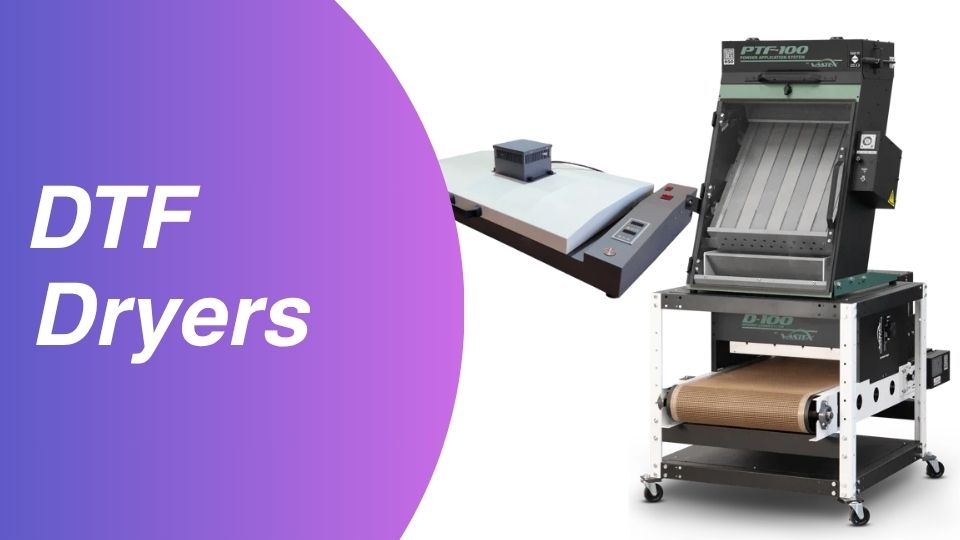
The primary function of a DTF powder shaker is to automate the application of TPU adhesive powder onto a printed PET film, ensuring an even and consistent coating across the design. This critical piece of equipment uses a vibrating mechanism to remove excess powder, which prevents residue buildup and optimizes material usage for cost-effective production. By integrating a curing heating system, the shaker melts the adhesive into a durable bond that allows for high-quality, wash-resistant transfers on a variety of fabrics. Integrating an automatic powder shaker into your workflow significantly reduces manual labor and minimizes human error, maintaining the high standards expected at Joto Imaging Supplies.

Which DTF printers and PET film widths are compatible with the DTF powder shaker?

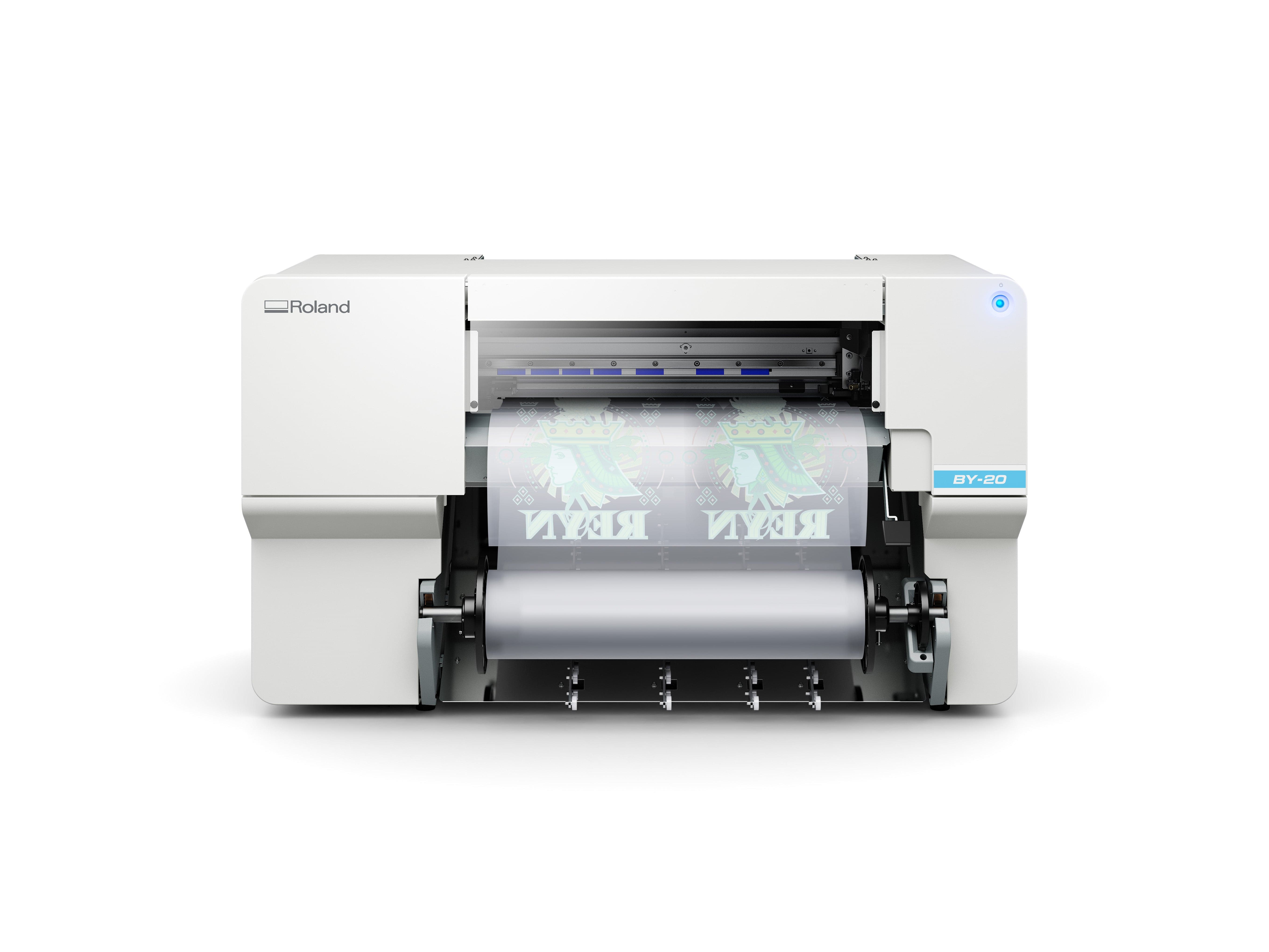
Our DTF powder shakers are engineered for broad compatibility, supporting industry-leading DTF printers from brands such as Roland, Epson, Mimaki, and Mutoh. These automated systems typically accommodate PET film widths ranging from 13-inch A3+ rolls to large-format 24-inch and 30-inch media to suit various production scales. By aligning the shaker’s maximum working width with your specific roll-to-roll printer, you ensure a seamless, high-speed workflow for professional garment decoration. At Joto Imaging Supplies, we provide these versatile solutions to guarantee technical precision and consistent adhesive application across all compatible film sizes.

What are the best maintenance practices to ensure the long-term durability and consistent performance of your DTF powder shaker?

To ensure the long-term durability of your DTF powder shaker, it is essential to perform daily cleaning of the vibrating mechanism and heating elements to prevent adhesive TPU powder buildup. Regularly inspect and lubricate moving parts to maintain smooth operation and prevent mechanical wear during high-volume production runs. Additionally, consistently monitor the internal exhaust system and filters to ensure proper airflow and stable curing temperatures for high-quality transfers. Following these professional maintenance protocols at Joto Imaging Supplies will guarantee consistent performance and extend the lifespan of your automated DTF equipment.

How do you properly set up and synchronize a DTF powder shaker with your printer for an automated workflow?

To properly set up a DTF powder shaker for an automated workflow, align the shaker’s intake directly with the printer’s output to ensure the PET film transitions smoothly through the TPU powdering chamber. Synchronization is achieved by adjusting the take-up reel and tension sensors, allowing the equipment to advance the film in tandem with the printer’s speed to prevent slack or misalignment. Technical calibration of the vibration intensity and curing temperature is essential to maintain consistent adhesive application as the design moves through the conveyor system. At Joto Imaging Supplies, we recommend monitoring these sensor settings during high-volume production to ensure seamless operation and maximum transfer durability.

How can I resolve issues with uneven powder application or clumping in my DTF powder shaker?

To resolve uneven powder application or clumping in your DTF powder shaker, start by ensuring your workspace maintains a stable relative humidity between 40% and 60% to prevent the hygroscopic TPU powder from absorbing moisture. Regularly inspect and clean the powder hopper and vibrating mechanism to remove debris or residual buildup that can cause mechanical obstructions and inconsistent flow. For optimal performance, utilize high-quality, dry adhesive powder and consider sifting it through a fine-mesh sieve if minor clumps are detected before loading. If issues persist, adjust the shaker’s vibration speed and intensity settings to achieve a uniform coating across the entire PET transfer film.

How does using an automated DTF powder shaker improve the color vibrancy and professional quality of your heat transfers?

An automated DTF powder shaker enhances color vibrancy by ensuring a perfectly uniform layer of TPU adhesive powder, which prevents ink absorption into the fabric and keeps pigments sitting on the surface. The integrated infrared heating system precisely cures the adhesive to create a smooth, consistent bond that eliminates the mottling or spotting often associated with manual application. This technical precision results in professional-grade heat transfers with superior wash fastness and a high-definition finish. By maintaining optimal curing conditions, the automated system ensures every print meets the rigorous quality standards required for commercial garment decoration.

How can integrating an automated DTF powder shaker improve production efficiency and reduce material costs for your printing business?

Integrating an automated DTF powder shaker dramatically increases production efficiency by replacing manual application with a continuous, high-speed workflow that matches printer output. The system's vibrating mechanism optimizes material costs by ensuring a precise layer of TPU adhesive powder is applied while recycling excess powder for future use. This automated process reduces labor requirements and eliminates human error, resulting in consistent, professional-grade transfers that uphold the quality standards of Joto Imaging Supplies. By minimizing waste and maximizing throughput, the powder shaker provides a scalable solution for businesses looking to enhance their technical capabilities and profit margins.

What are the essential safety precautions and storage requirements for operating a DTF powder shaker?

When operating an automated DTF powder shaker, it is essential to prioritize respiratory health by wearing a tight-fitting N95 mask and ensuring your workspace has high-volume ventilation or a dedicated fume extractor to manage airborne TPU particulates. Operators should also utilize protective gloves and eyewear to prevent skin irritation and eye exposure from fine adhesive powders and curing vapors. To maintain material integrity, store TPU adhesive powder in airtight containers within a climate-controlled environment, ideally between 60-75°F with humidity levels below 50% to prevent clumping. Following these technical protocols at Joto Imaging Supplies ensures a safe production environment while maintaining the high-quality standards required for durable heat transfers.

How does using an automated DTF powder shaker compare to manual powder application in traditional screen printing or DTF workflows?

Automated DTF powder shakers significantly outperform manual application by ensuring uniform TPU adhesive distribution, which is critical for consistent bonding and vibrant color retention in high-volume production. While manual powdering is labor-intensive and prone to human error, an integrated shaker system automates the shaking and curing process to eliminate bottlenecks and reduce material waste. By transitioning to an automated workflow at Joto Imaging Supplies, businesses achieve superior wash durability and professional-grade transfers that manual methods simply cannot replicate. This industrial-grade automation maximizes throughput and maintains high technical standards, making it the essential choice for scaling any DTF printing operation.

How can you optimize the vibration speed and heating temperature on your DTF powder shaker to ensure maximum powder retention on fine details while maintaining high-speed production efficiency?

To optimize your DTF powder shaker, adjust the vibration speed to a moderate level that effectively removes excess TPU powder from non-printed areas without dislodging adhesive from fine details. The heating temperature should be precisely calibrated to melt the powder into a uniform, orange-peel texture, ensuring a strong bond without overheating the PET film. Maintaining this technical balance between agitation and thermal curing is essential for achieving high-speed production efficiency and superior transfer quality. Joto Imaging Supplies recommends conducting test runs to fine-tune these settings for specific film and powder combinations to ensure consistent, professional-grade results.

aaa

Drawer Title

Similar Products