






































Skip to content
en
USD

Score a Goal With the Best Prices

Shop Now

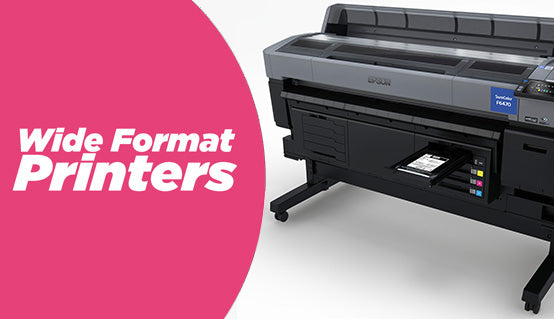
Wide Format Printers


Wide Format Printers for Growing Print Businesses


Expand Production Capacity and Offer Larger Custom Products


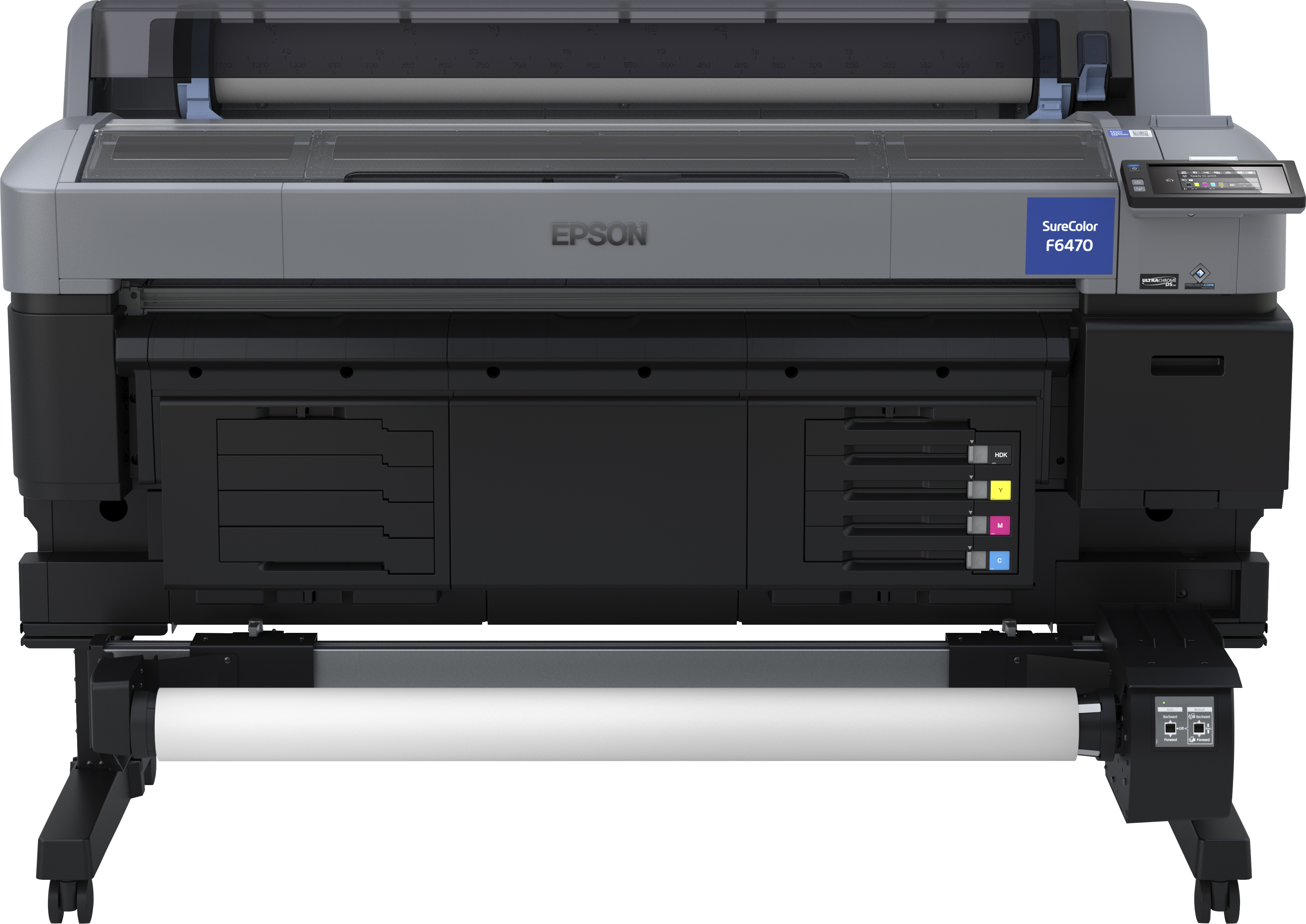
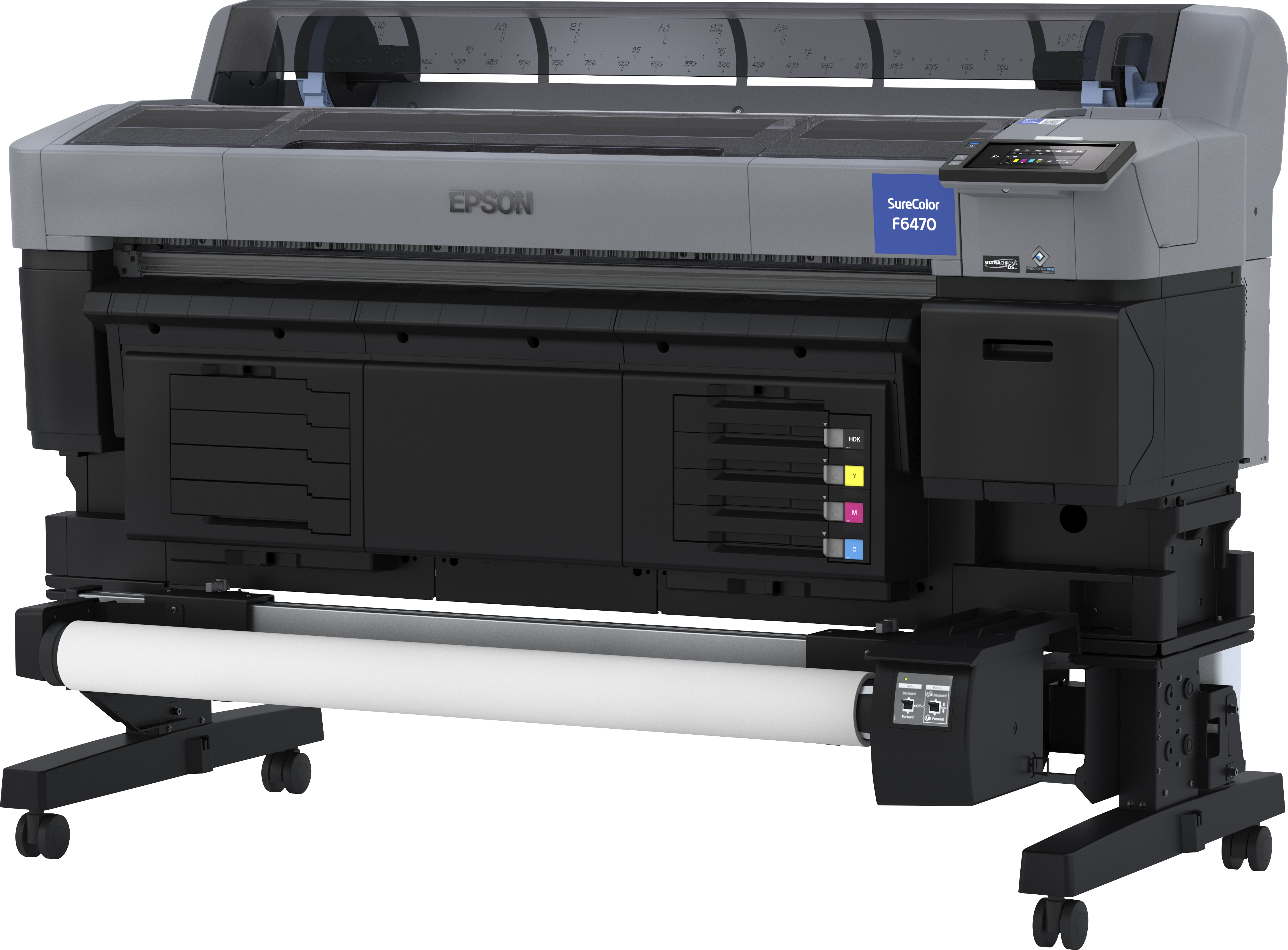
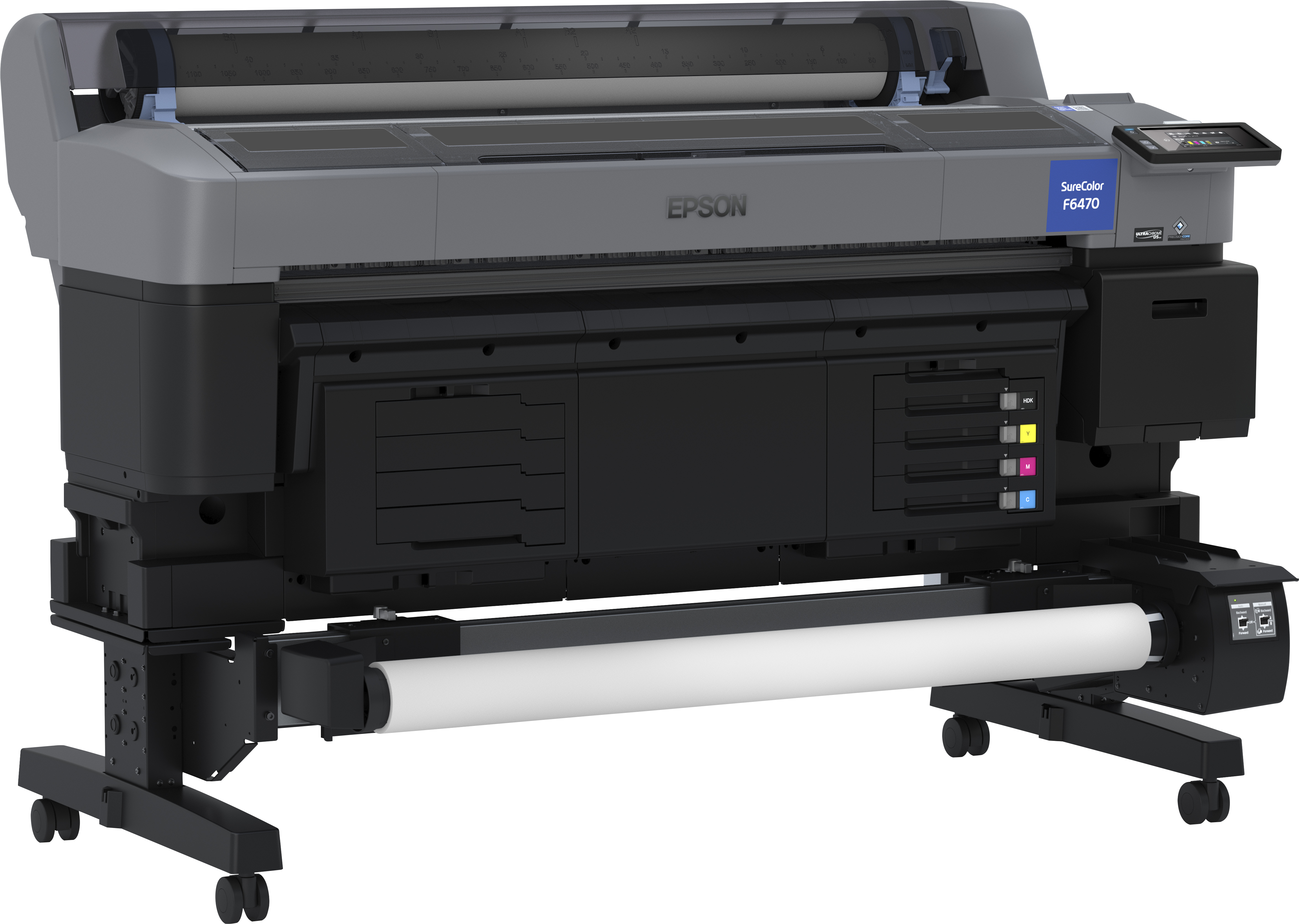
Explore wide format printers designed for businesses producing apparel, signage, and oversized graphics for resale.
Deliver consistent color output, reliable performance, and repeatable results across high-volume runs.
Ideal for scaling operations and increasing average order value with larger-format products.

Filter

3 products

  • Sort by

Frequently Asked Questions:

What are wide format printers and how are they used for large-scale professional printing?

Wide format printers are specialized inkjet or toner-based machines designed to produce high-resolution graphics on media rolls ranging from 18 to 100 inches in width. These professional systems utilize advanced ink technologies, such as aqueous, solvent, or UV-curable inks, to ensure exceptional color accuracy and durability for both indoor and outdoor applications. By supporting a diverse array of substrates like vinyl, canvas, and heat transfer materials, they enable the efficient production of banners, vehicle wraps, and technical schematics. Integrating a wide format printer into your workflow enhances production capabilities, allowing for the creation of impactful, large-scale displays with professional-grade precision.

Which wide-format printers and media are most compatible with my specific production volume and substrate requirements?

Selecting the most compatible wide-format printer depends on aligning your production volume with the specific thermal properties of your substrates, such as polyester for sublimation or cotton and blends for DTF transfers. For high-volume signage and apparel, industrial-grade systems like the Epson SureColor series or Liyu UV printers provide the necessary speed and wide color gamut for professional results. At Joto Imaging Supplies, we recommend matching your media—whether it be PET transfer film, sublimation paper, or adhesive vinyl—to the ink chemistry of your printer to ensure optimal adhesion and long-term durability. Our technical team can help you evaluate platen dimensions and print head configurations to maximize your workflow efficiency and return on investment.

How can I ensure the long-term durability and proper maintenance of my wide format printer?

To ensure the long-term durability of your wide format printer, perform regular nozzle checks and head cleanings to prevent ink buildup and maintain optimal print head health. It is critical to use high-quality sublimation or eco-solvent inks and keep the equipment in a climate-controlled, dust-free environment to avoid mechanical wear and connectivity issues. Following a consistent maintenance schedule, including cleaning the capping station and wiper blade, preserves the technical precision of your printing equipment and ensures vibrant, high-resolution results for every production run. At Joto Imaging Supplies, we recommend these professional practices to maximize your machine's service life and maintain peak business efficiency.

How do I correctly set up and operate a wide format printer to ensure a high-quality, professional transfer?

To correctly set up your wide format printer, begin by precisely calibrating your ICC color profiles and performing a nozzle check to ensure industrial-grade chromatic accuracy and consistent ink delivery. Carefully load your high-quality transfer media, ensuring proper alignment on the rollers and selecting the optimized resolution and media settings within your RIP software. During operation, monitor the print for banding or color shifts and maintain a climate-controlled environment to prevent ink coagulation and media warping. This professional-grade approach guarantees vibrant, high-resolution graphics and maximizes the durability of your large-format transfers.

Why is my wide-format printer producing blurry images, banding, or color inconsistencies during the printing process?

Blurry images, banding, and color inconsistencies in wide-format printers typically stem from clogged print head nozzles, misaligned hardware, or incorrect color management settings. To resolve these issues, perform a nozzle check and head cleaning cycle to ensure consistent ink flow, and calibrate your bidirectional alignment to eliminate horizontal banding. Additionally, verify that you are using the correct ICC profiles and media settings for your specific substrate to maintain chromatic accuracy and prevent color shifting. Regular maintenance of the encoder strip and maintaining stable environmental humidity are essential for achieving professional-grade, high-resolution output.

How can I use wide-format printers to ensure professional-grade color vibrancy and quality in my transfers?

To achieve professional-grade color vibrancy with wide-format printers, you must implement a robust color management workflow utilizing custom ICC profiles specifically calibrated for your unique ink, media, and substrate combinations. Regular calibration of your precision print heads and the use of professional RIP software are essential to maintain consistent ink density and prevent chromatic drift across high-volume production runs. Additionally, ensuring your equipment operates in a climate-controlled environment with stable humidity prevents ink coagulation and protects the integrity of your industrial-grade output. By integrating these technical standards, Joto Imaging Supplies ensures your large-scale transfers deliver the high-resolution quality and brand consistency required for commercial success.

How can investing in a professional wide format printer improve your production efficiency and long-term business profitability?

Investing in professional wide format printers enhances production efficiency by enabling high-speed, in-house printing of oversized graphics, which eliminates third-party lead times and costly outsourcing fees. These industrial-grade machines offer superior color accuracy and high-resolution output across various substrates, ensuring consistent quality that builds brand authority and reduces material waste from misprints. By diversifying your service offerings to include high-margin items like banners, vehicle wraps, and technical drawings, you can tap into new revenue streams and significantly increase long-term business profitability. Ultimately, the integration of advanced print technologies and automated maintenance cycles minimizes operational downtime, maximizing your overall return on investment.

What are the best practices for the proper storage and safety of your wide format printers to ensure long-term performance?

To ensure the long-term performance of your wide format printers, maintain a climate-controlled environment with temperatures between 18°C and 24°C and relative humidity levels between 40% and 60% to prevent ink viscosity changes and media warping. Always keep the equipment in a clean, dust-free workspace and use dedicated, grounded electrical circuits to protect sensitive electronic components from power surges. Store media rolls vertically in a cool, dry area and keep ink cartridges sealed in their original packaging until installation to avoid pigment separation or environmental degradation. Implementing these professional storage and safety protocols, including regular nozzle checks and keeping the unit powered for automatic maintenance, significantly extends the service life and reliability of your industrial printing systems.

How do wide format printers compare to traditional garment decoration methods in terms of production scale and output quality?

Wide format printers offer superior production scale and output quality compared to traditional methods like screen printing by enabling high-volume, continuous roll-to-roll printing without the need for labor-intensive screen setups. These industrial systems deliver unmatched photographic resolution and precise color gradients through advanced piezoelectric print head technology and sophisticated color management software. By utilizing wide-format sublimation or DTF processes, businesses can achieve edge-to-edge decoration on oversized substrates with consistent chromatic accuracy and industrial-grade durability. This digital workflow streamlines large-scale manufacturing, significantly reducing turnaround times while maintaining professional-grade detail for complex, high-resolution graphics.

How can I calibrate vacuum bed pressure and media feed compensation on wide-format printers to eliminate banding and ensure precise registration across high-volume, multi-panel sublimation runs?

To eliminate horizontal banding and ensure precise registration in multi-panel sublimation runs, begin by adjusting the vacuum bed pressure via the printer's control panel to provide a consistent, flat media path without causing excessive drag on the feed motor. Perform a Media Feed Compensation test to print and measure specific patterns, then enter the precise adjustment values into your RIP software or printer settings to calibrate the advance per pass. For high-volume production, it is essential to re-verify these calibrations whenever switching media rolls or weights, as variations in substrate thickness and tension directly impact feed accuracy. Maintaining these synchronized technical settings ensures industrial-grade output quality and seamless alignment across complex, wide-format graphic installations.

aaa

Drawer Title

Similar Products