Skip to content
en
USD

Score a Goal With the Best Prices

Shop Now

Shuttle Presses

Shuttle Presses for High-Volume Apparel Businesses


Increase Throughput Without Sacrificing Transfer Consistency


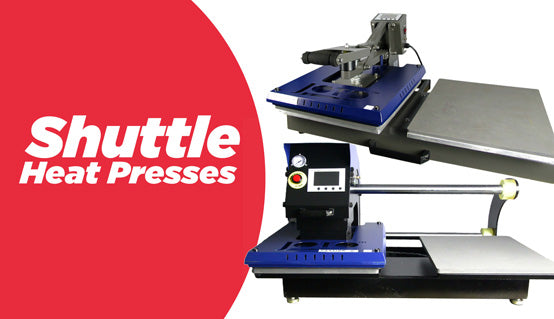
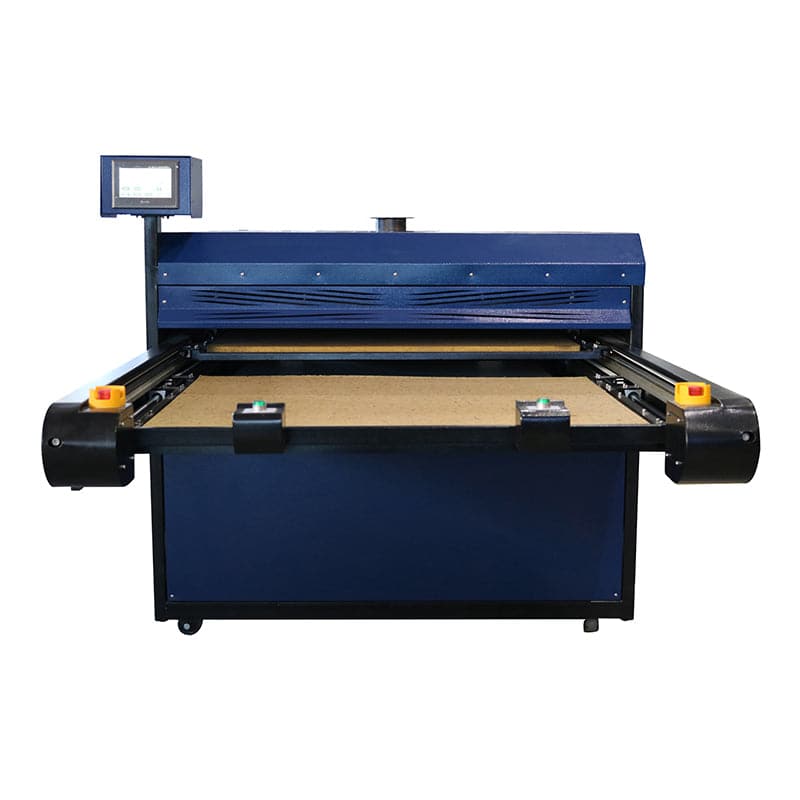
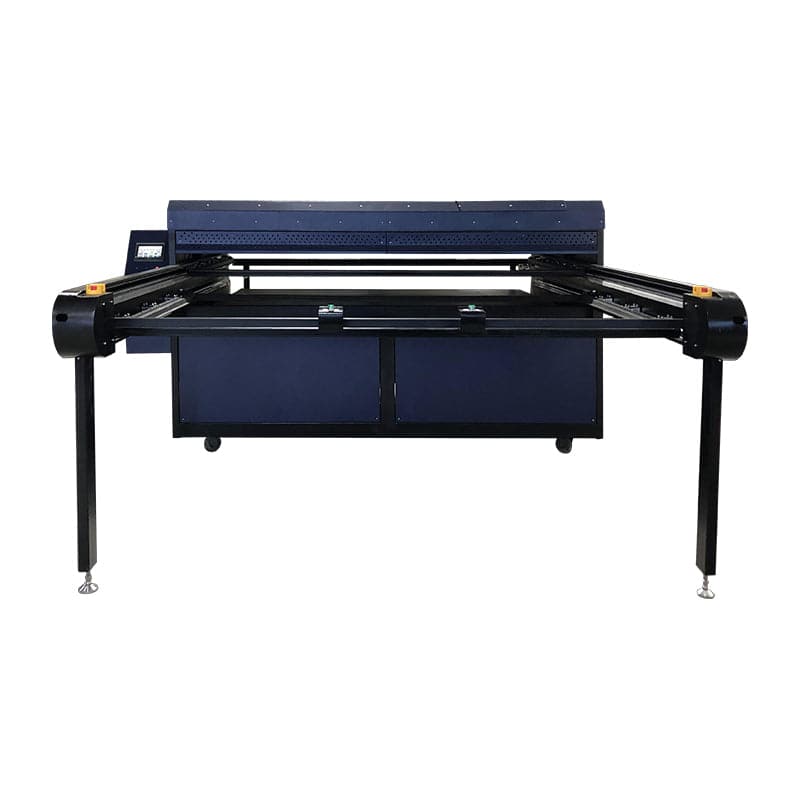
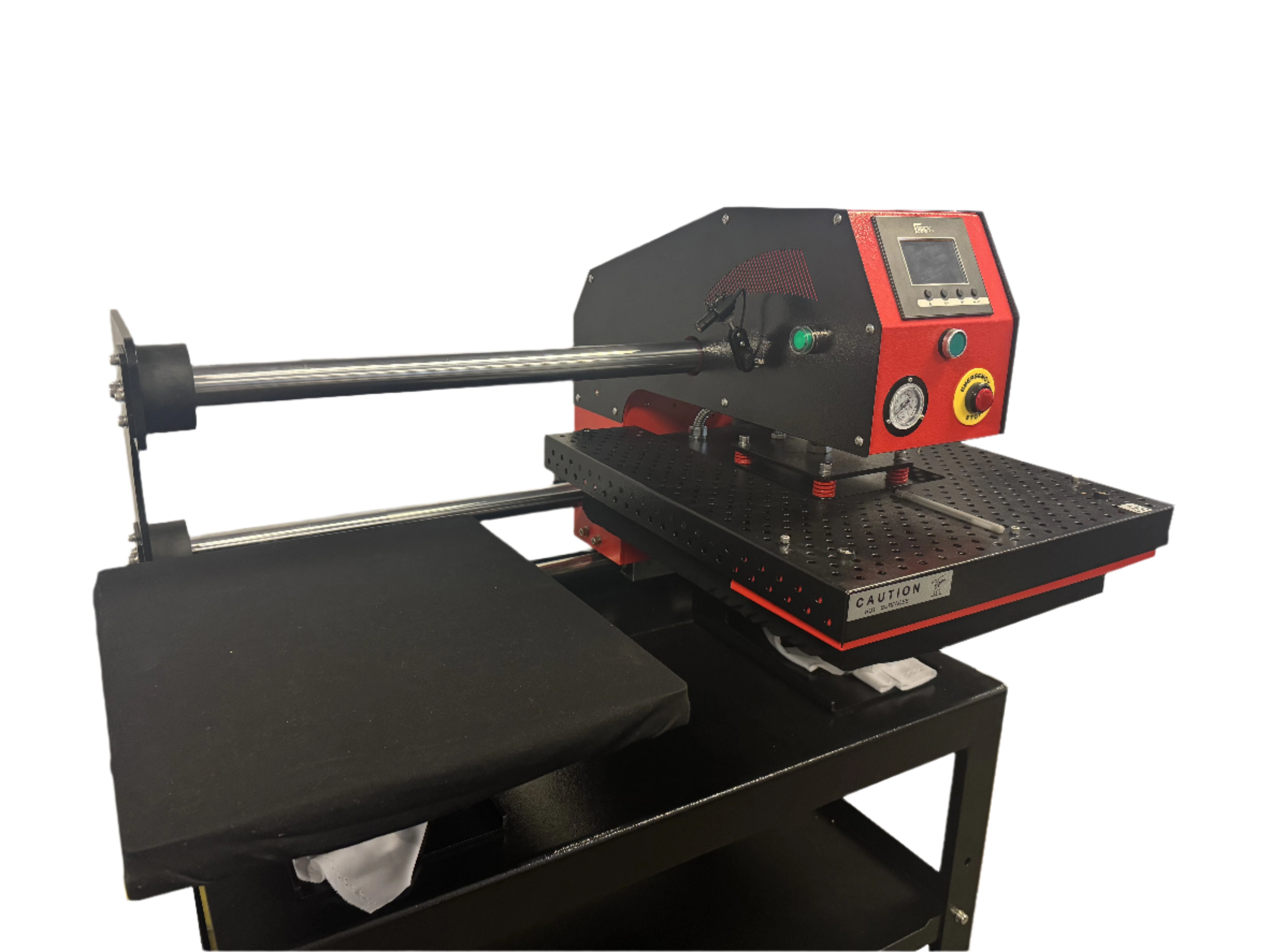
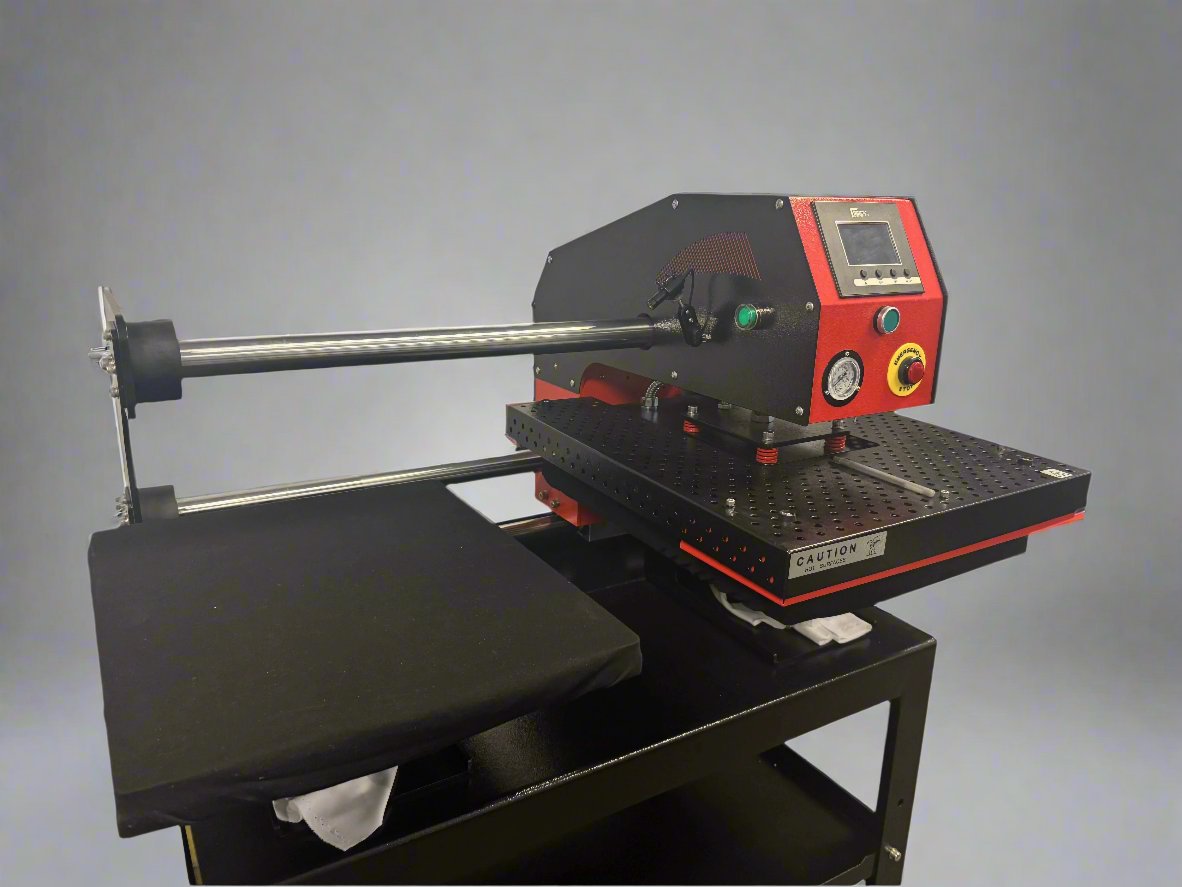
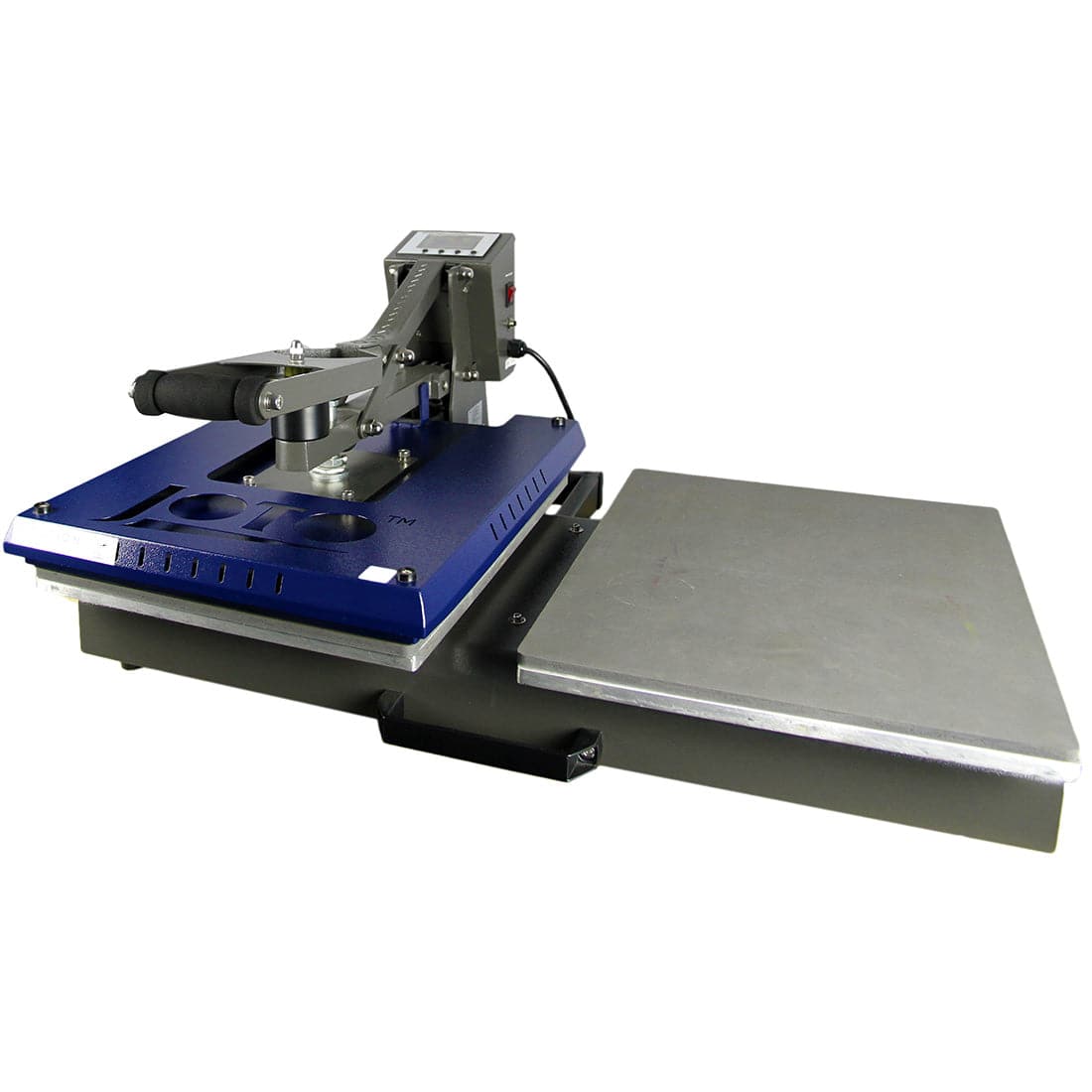
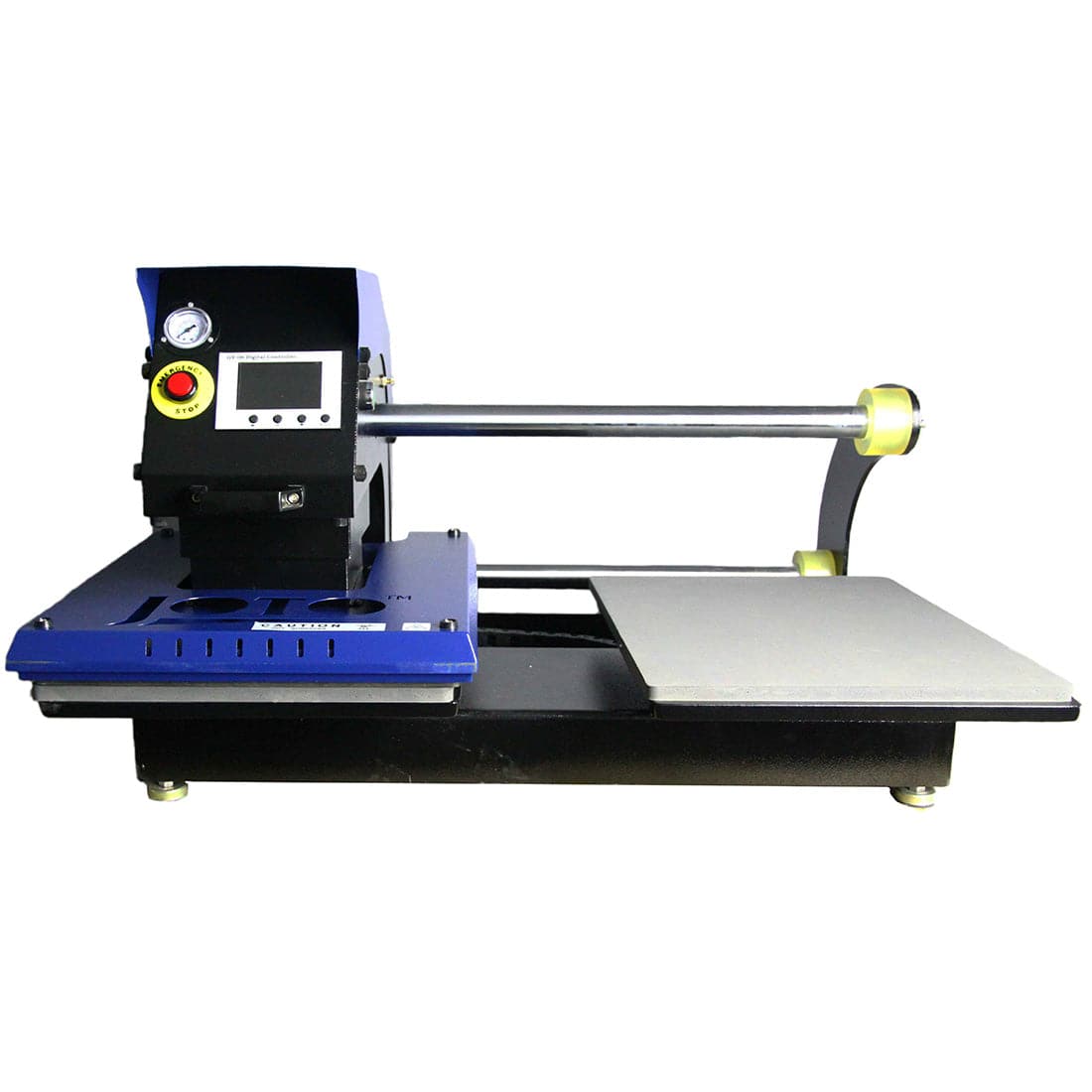
Shuttle presses are designed for print shops running continuous production and larger order volumes. Dual-station operation reduces idle time, improves workflow efficiency, and helps maintain consistent, retail-ready results across repeat runs.

Filter

3 products

  • Sort by

Frequently Asked Questions:

What is the primary use of shuttle presses in custom heat transfer printing?

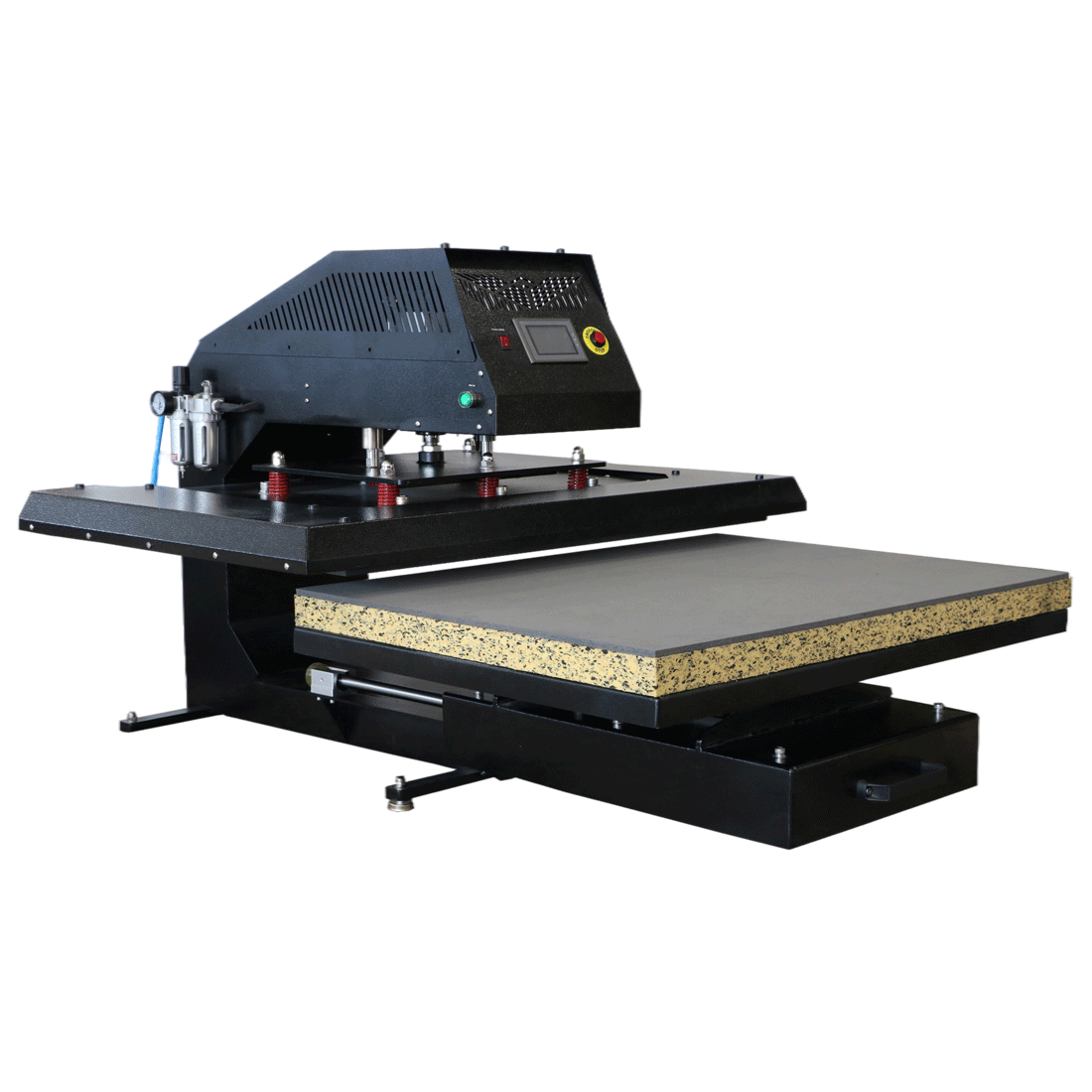
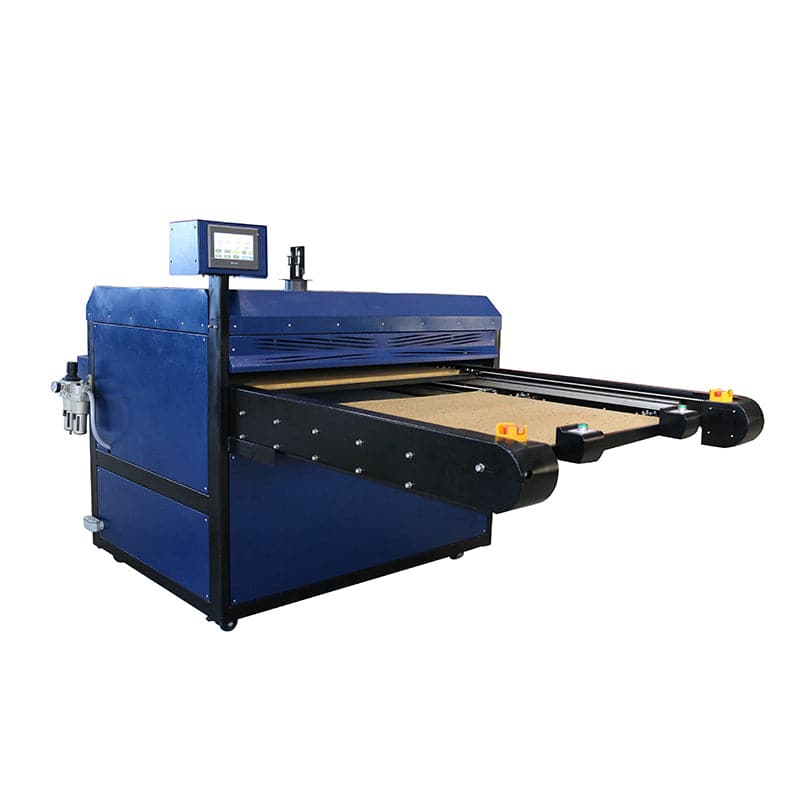
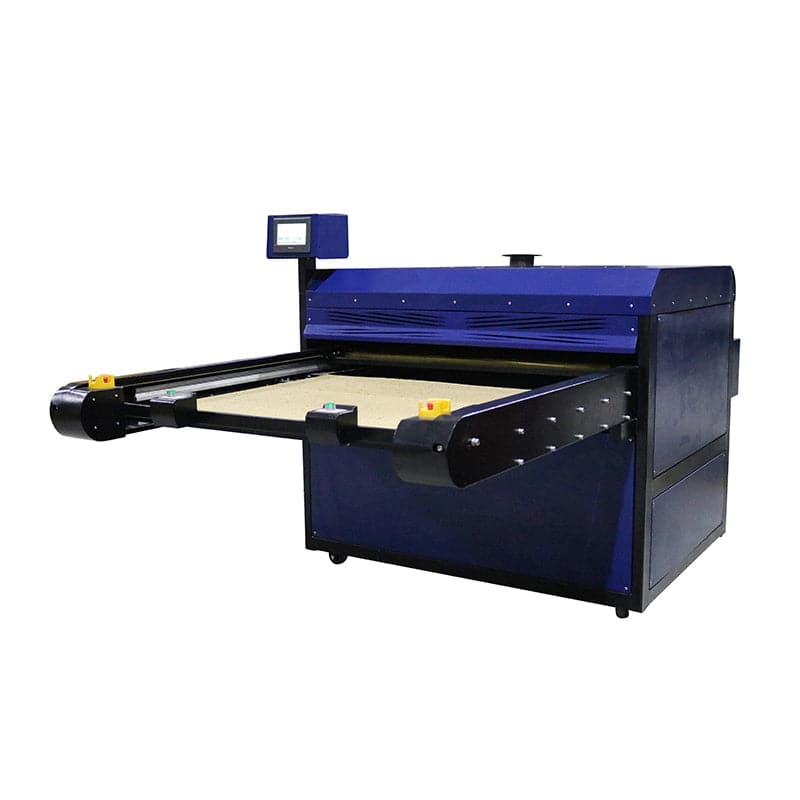
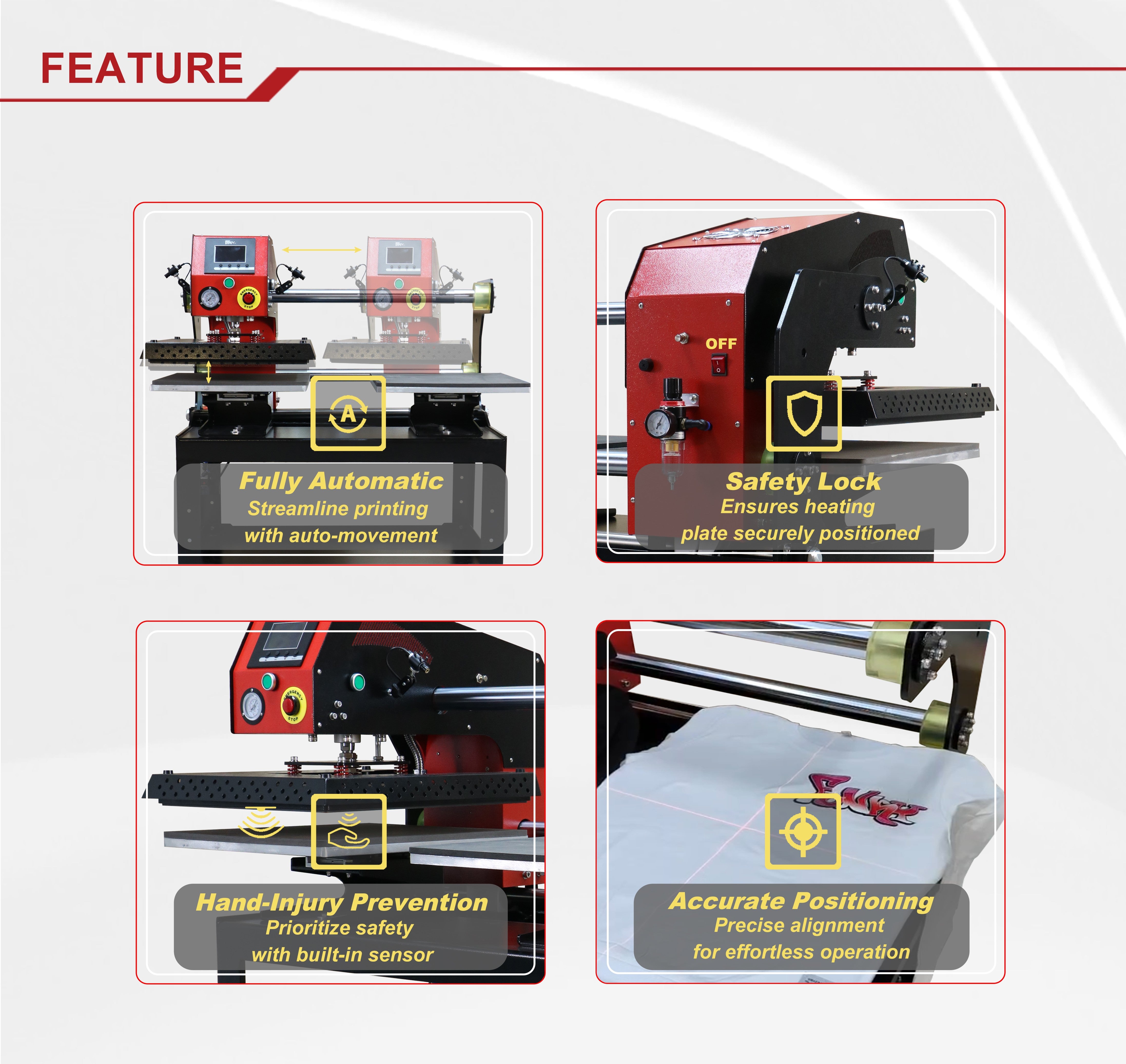
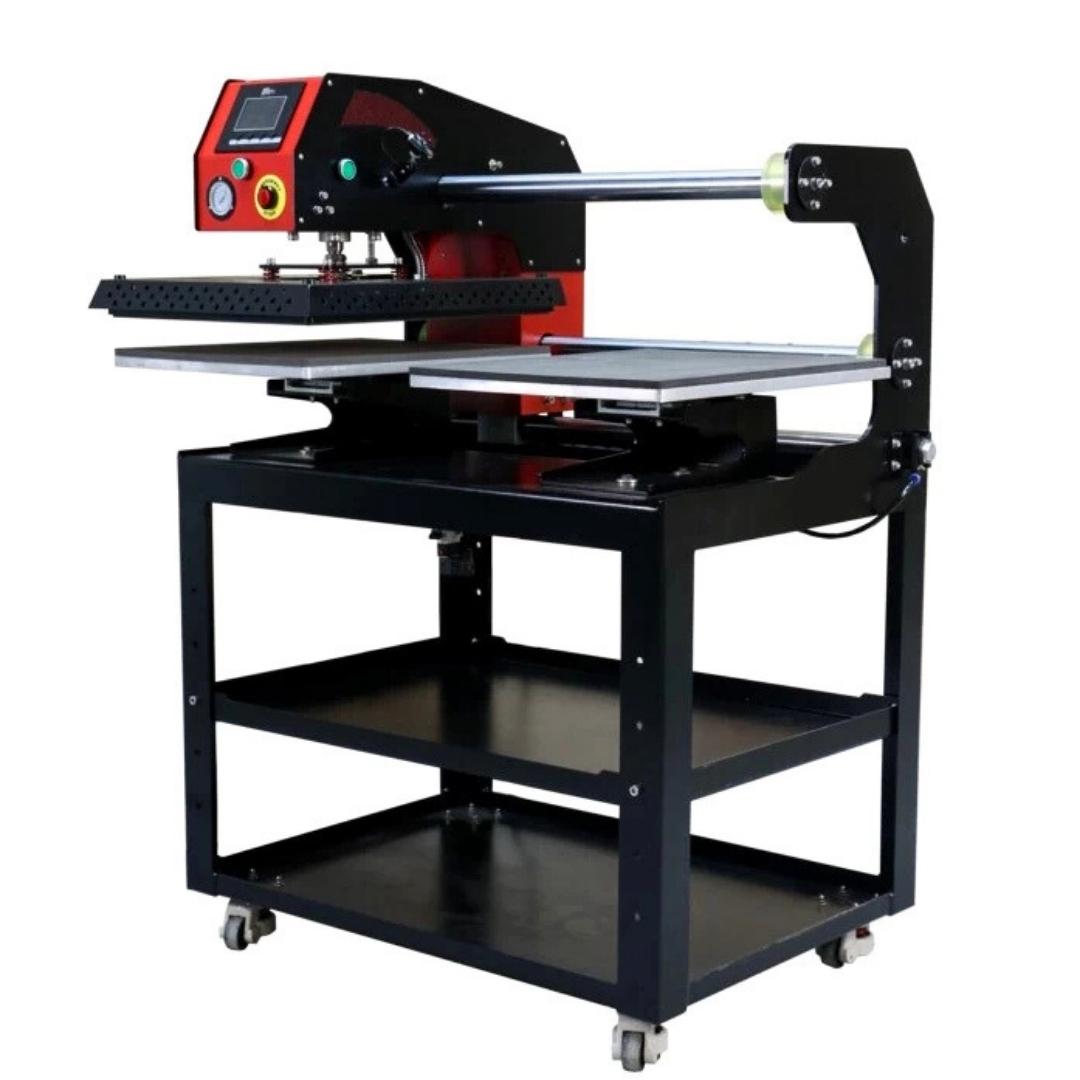
Shuttle presses are high-production heat transfer machines designed to maximize efficiency by utilizing dual workstations that allow an operator to load or unload one garment while another is being pressed. This twin-station configuration effectively eliminates production downtime and maximizes throughput, making them ideal for high-volume environments involving DTF, sublimation, and screen-printed transfers. By integrating pneumatic or manual shuttle mechanisms, these professional-grade presses ensure consistent pressure and heat distribution for a reliable, high-quality finish on various textiles and rigid substrates. At Joto Imaging Supplies, we recommend shuttle presses for growing decoration businesses seeking to boost their production capacity and long-term profitability through streamlined workflows.

What materials and heat transfer methods are compatible with Joto shuttle presses?

Joto shuttle presses are engineered for high-volume compatibility with a diverse range of materials, including 100% cotton, polyester, synthetic blends, and polymer-coated hard surfaces like ceramics and metals. These professional-grade systems deliver the consistent heat and uniform pressure required for advanced decoration methods such as dye-sublimation, heat transfer vinyl (HTV), and Direct to Film (DTF) printing. By utilizing dual-station shuttle technology, operators can achieve precise results on flat textiles, garments, and composite substrates while maximizing production throughput. Incorporating a Joto shuttle press into your workflow ensures reliable, repeatable transfers for high-performance apparel and custom hard goods.
How can I properly maintain my shuttle heat press to ensure consistent pressure and long-term heating element durability?

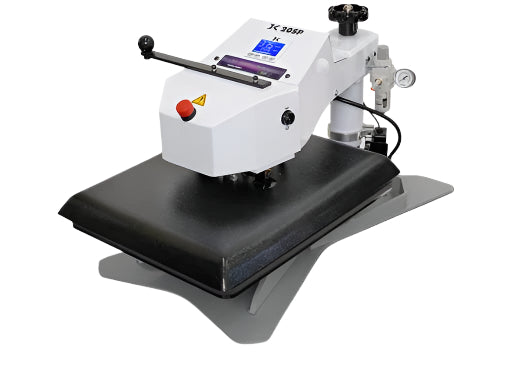
To maintain your shuttle heat press, regularly clean the heating platen with a non-abrasive cloth and specialized cleaner to prevent residue buildup that causes cold spots and uneven heat distribution. Ensure consistent pressure across both stations by lubricating the sliding rails and pivot points with high-temperature lithium grease and inspecting the silicone pads for any wear or indentations. Periodically verify temperature accuracy using thermal test strips to ensure the heating element remains calibrated for high-quality transfers on various substrates. Following these maintenance protocols at Joto Imaging Supplies will protect your equipment investment and ensure reliable, professional-grade production in high-volume environments.


How do I properly set up and operate a shuttle heat press for high-volume transfer printing?

To properly set up a shuttle heat press for high-volume production, begin by connecting a compatible air compressor and calibrating the digital controller for the precise temperature, time, and pneumatic pressure required for your specific transfer media. Utilize the dual-station design by loading and aligning a garment on the idle lower platen while the opposite station is engaged in a pressing cycle to eliminate downtime and maximize throughput. Incorporate a consistent workflow that includes a two-second pre-press to remove moisture and wrinkles, followed by the application of the transfer using the automatic or foot-pedal activation for hands-free operation. Regular maintenance of the smooth roller bearing slide rails and heat platen ensures long-term reliability and professional-grade results across diverse substrates like polyester, cotton, and ceramic tiles.
What is the most common cause of uneven pressure or cold spots when using shuttle heat presses?

The most common cause of uneven pressure or cold spots in shuttle heat presses is often linked to worn-out silicone pads or failing heating elements within the platen. Inconsistent pressure typically arises when the shuttle mechanism's alignment shifts over time, preventing the heating head from locking perfectly parallel to the lower platen. To ensure professional-grade transfers, regularly inspect the platen for debris and use a digital pyrometer to verify that heat distribution remains uniform across the entire surface. Investing in high-quality shuttle presses from Joto Imaging Supplies ensures robust build quality and precision engineering to minimize these common production issues.

How can I achieve professional-grade color vibrancy and high-quality results with shuttle presses?

To achieve professional-grade color vibrancy with shuttle presses, it is essential to utilize precise electronic temperature and time controls to ensure consistent heat distribution across the entire platen. Leveraging a high-pressure pneumatic system allows for superior ink penetration and bonding on diverse substrates, including oversized garments and hard surfaces. Maintaining peak production efficiency involves using high-quality transfer media and ensuring the dual-station shuttle mechanism is clear of debris for flawless, repetitive alignment. These technical optimizations, combined with stable air line pressure, guarantee the sharp, retail-quality results necessary for high-volume custom imaging.

How can investing in a high-quality shuttle press improve the production efficiency and long-term profitability of my custom printing business?

Investing in a high-quality shuttle press significantly boosts production efficiency by utilizing a dual-platen system that allows operators to load a second garment while the first is being pressed. This continuous workflow minimizes idle time and maximizes throughput, which is essential for scaling high-volume custom printing operations. By ensuring precise heat distribution and consistent pressure across various substrates, these professional-grade heat presses reduce material waste and costly misprints, directly improving your long-term ROI. Trusting Joto Imaging Supplies for robust shuttle press technology enhances your shop's profitability through increased output capacity and superior, repeatable transfer results.

What are the recommended storage conditions and safety precautions for handling shuttle presses?

Shuttle presses should be stored in a clean, dry, and climate-controlled environment to prevent moisture accumulation and protect the electronic control systems and pneumatic components from corrosion. When operating high-performance shuttle presses, always wear heat-resistant gloves and maintain a clear workspace to avoid accidental burns from the heated platens or contact with the heavy-duty sliding mechanism. Ensure the press is placed on a stable, level surface and perform regular inspections of the air lines and emergency stop buttons to maintain peak operational safety during high-volume production. Following these rigorous storage and safety protocols will maximize the longevity of your equipment while ensuring a safe, efficient workflow for your custom decoration business.

How do shuttle presses compare to swing-away or clamshell heat presses in terms of production efficiency and ease of use?

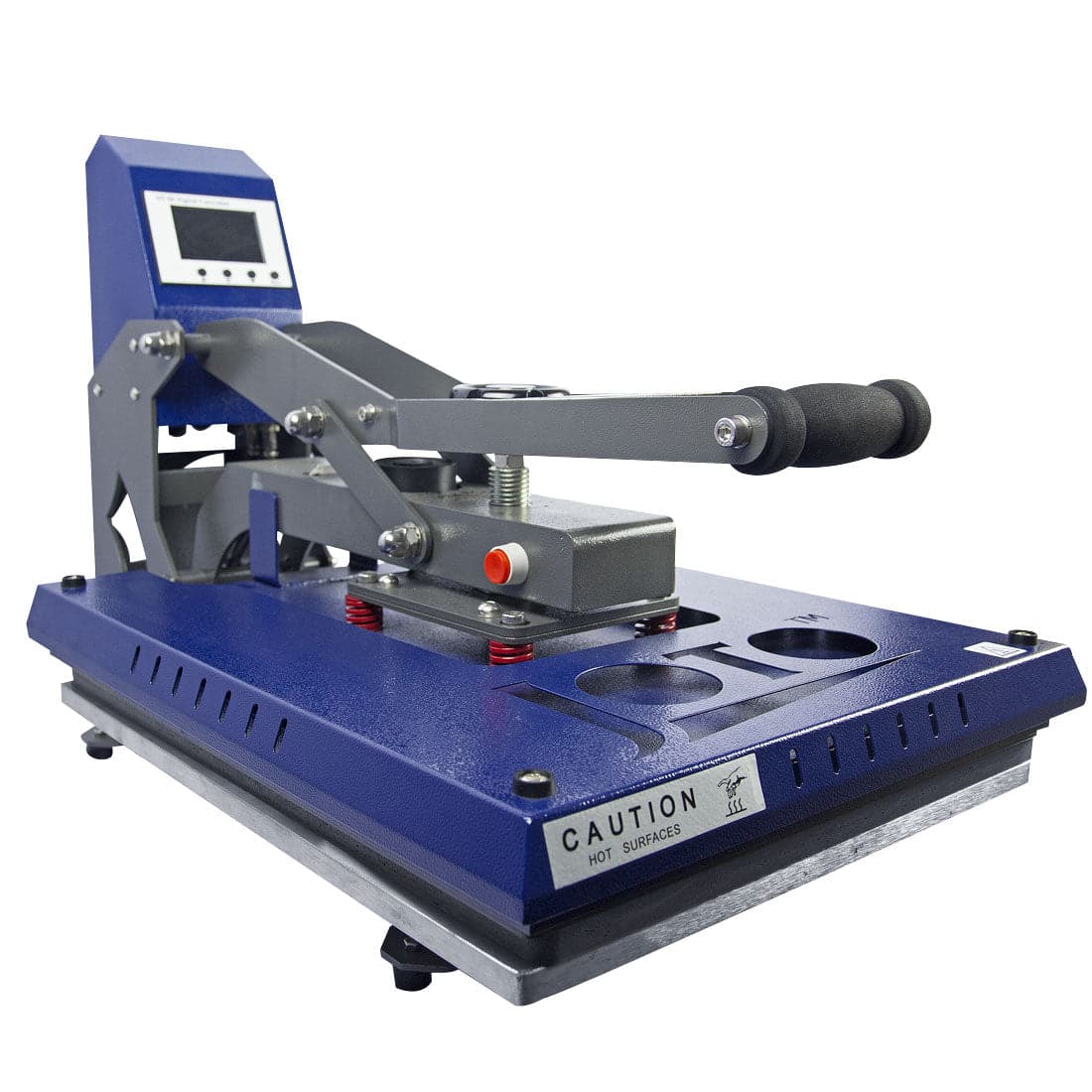
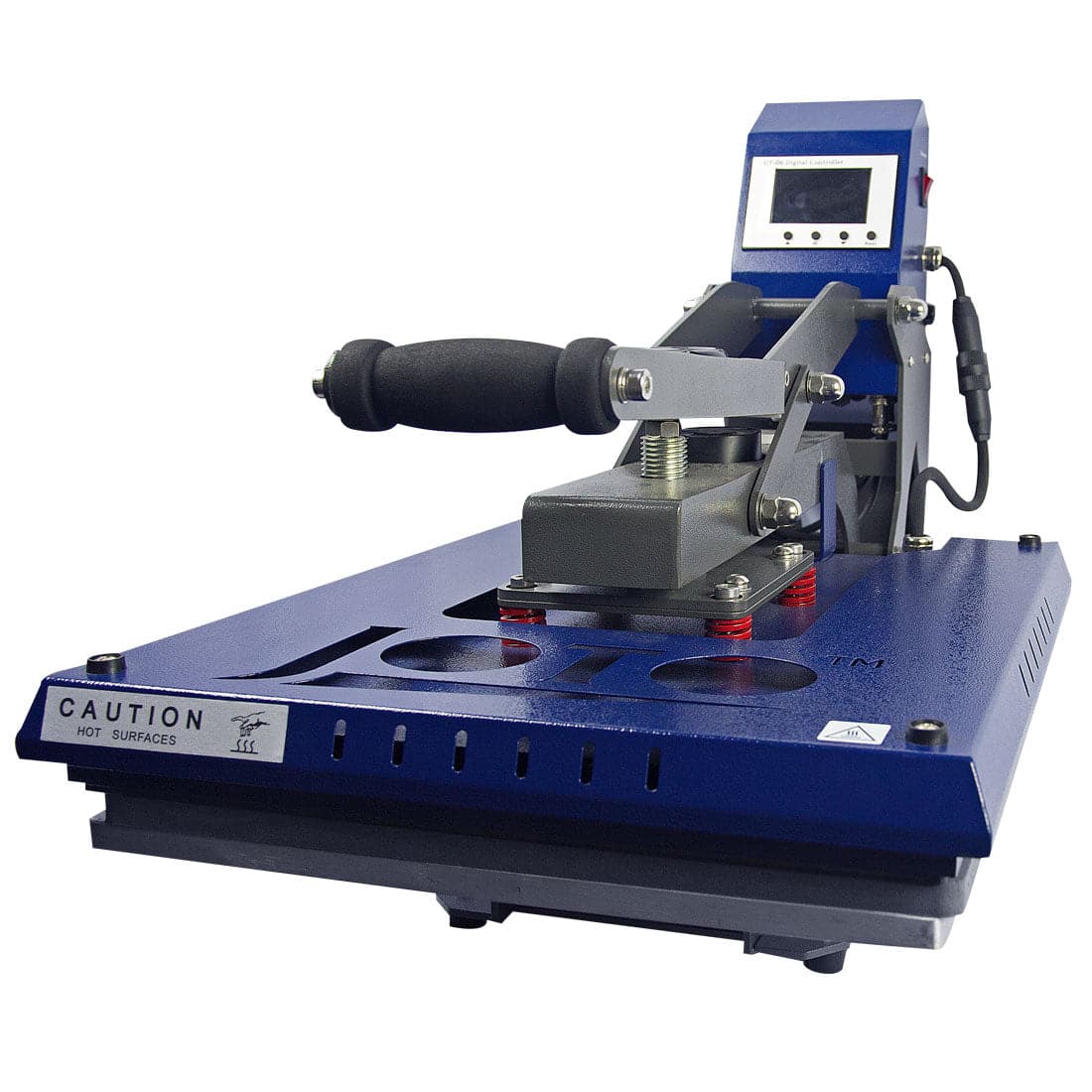
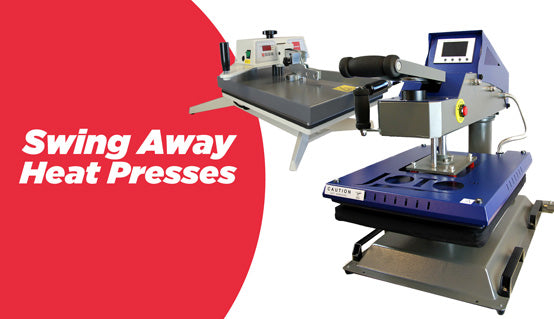
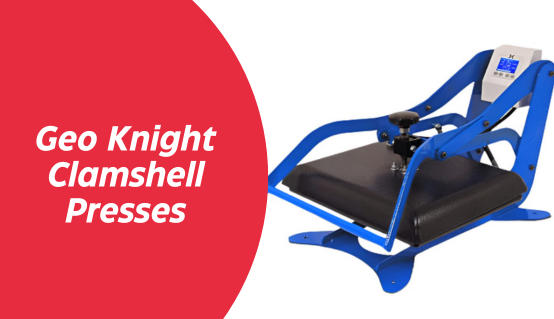
Shuttle presses offer significantly higher production efficiency than standard swing-away or clamshell models by utilizing dual lower platens, allowing an operator to load one station while the other is under timed compression. While clamshells are valued for their compact footprint and swing-away presses for their vertical pressure, shuttle systems virtually double capacity and minimize downtime in high-volume environments. Although these systems are heavier and require more floor space, they provide a professional, heat-free loading zone that enhances safety and operator comfort during long production runs. Investing in shuttle press technology ensures maximum throughput for businesses looking to scale their custom imaging operations beyond the capabilities of single-station machines.

How can I optimize the dual-platen workflow and independent pressure adjustments on a high-volume pneumatic shuttle press to eliminate heat recovery downtime and ensure edge-to-edge consistency on oversized sublimation substrates?

To optimize a high-volume pneumatic shuttle press, utilize the dual-platen system to prep one station while the other is under heat, effectively eliminating recovery downtime and maintaining constant production throughput. Ensure edge-to-edge consistency on oversized sublimation substrates by fine-tuning the independent pneumatic pressure adjustments to account for minor variations in material thickness across the large surface area. Utilizing high-quality Nomex pads and precision-calibrated heating elements on your shuttle press will further guarantee uniform thermal distribution and prevent cold spots during heavy production runs. By mastering these technical workflows, Joto Imaging Supplies enables you to maximize high-resolution output and equipment efficiency on complex, large-format transfers.

aaa

Drawer Title

Similar Products