















Skip to content
en
USD

Score a Goal With the Best Prices

Shop Now

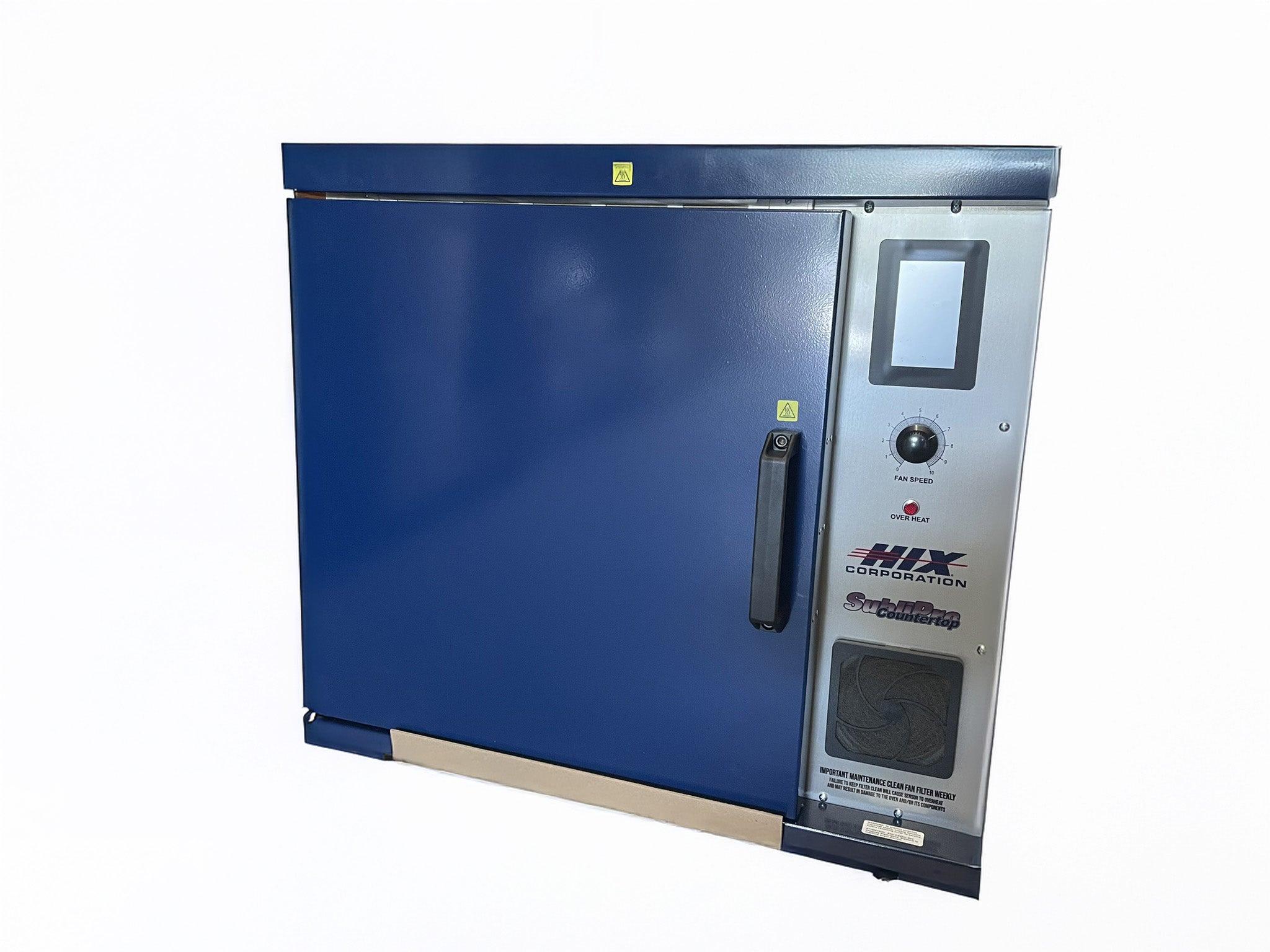
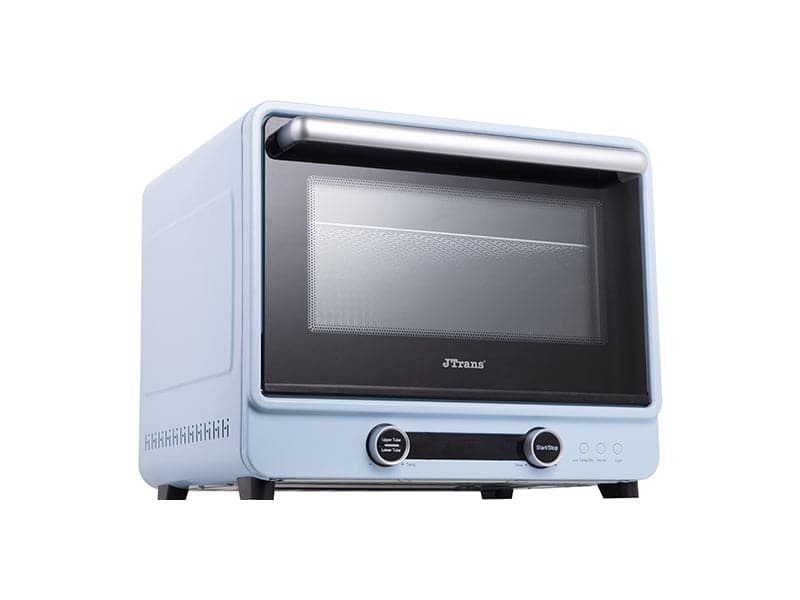
DTG Oven / Dryer

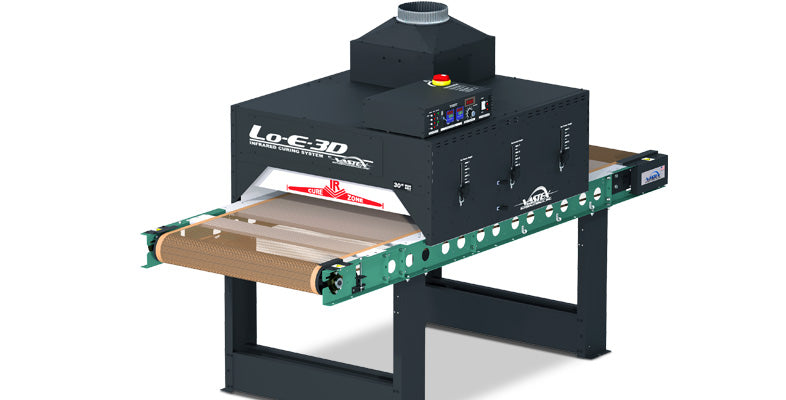
DTG Ovens & Dryers for Garment Printing Businesses


Cure Direct-to-Garment Prints with Consistent, Production-Ready Results


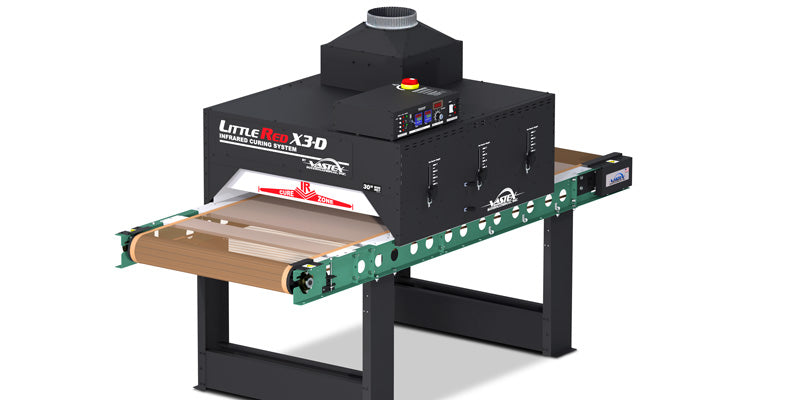
DTG ovens and dryers designed for print shops running daily garment production. Ensure proper curing, wash durability, and consistent finish across every batch. Built to support reliable workflows and scalable apparel printing operations.
Frequently Asked Questions:

What is the primary function of a DTG oven dryer in the garment printing process?

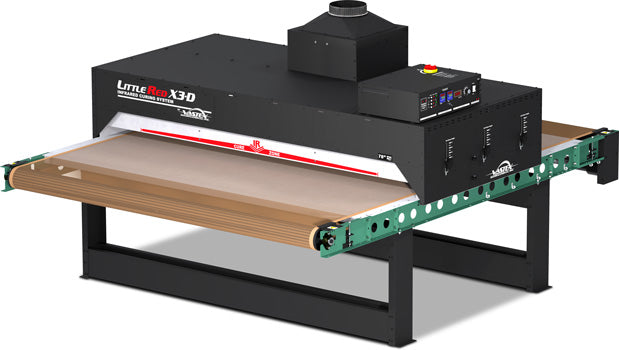
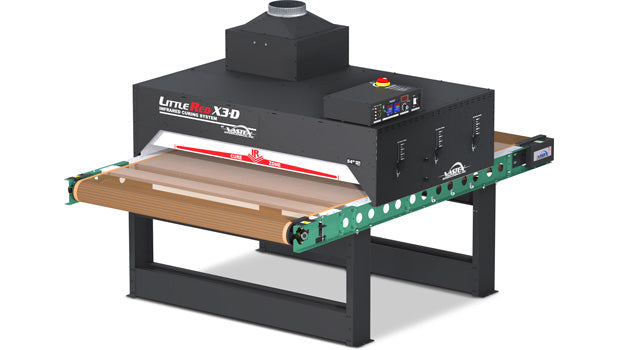
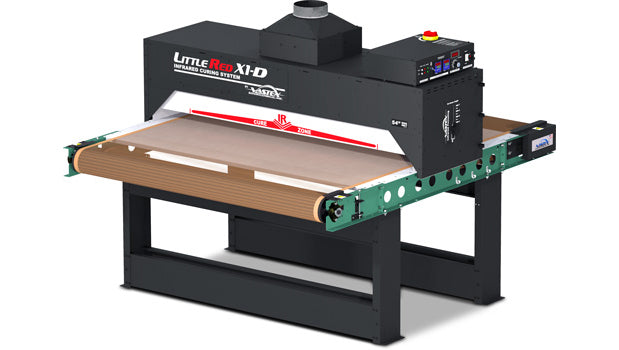
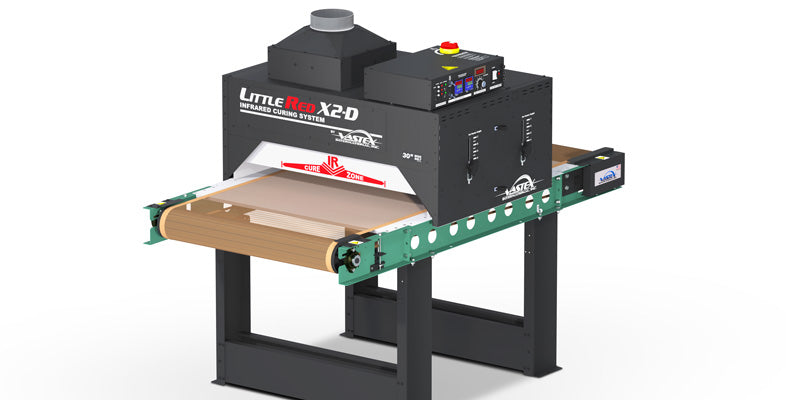
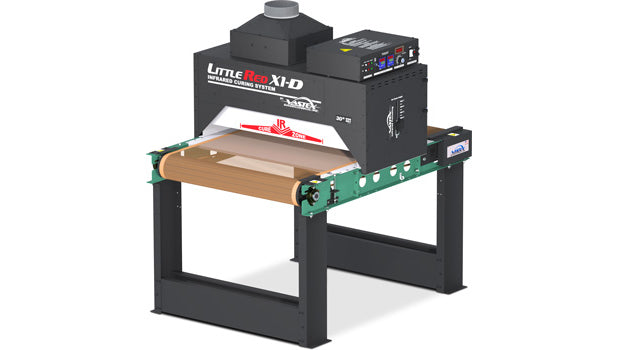
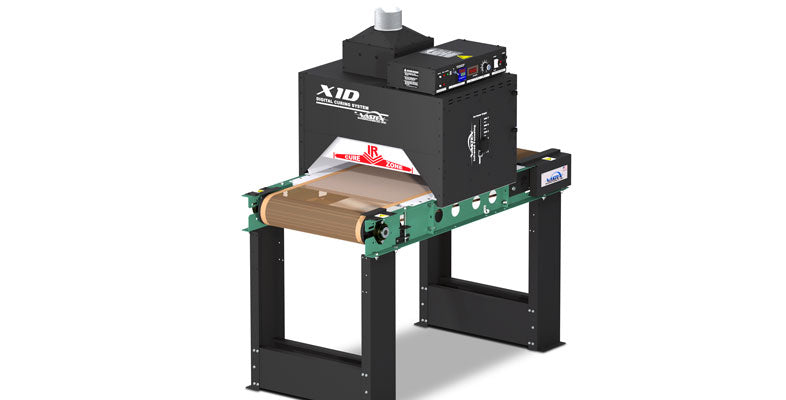
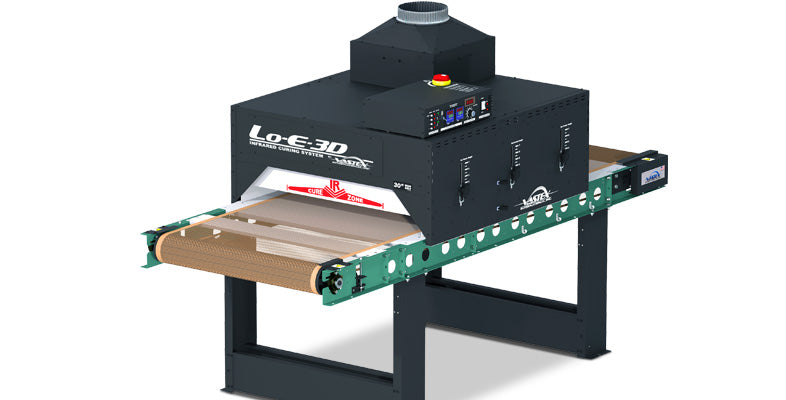
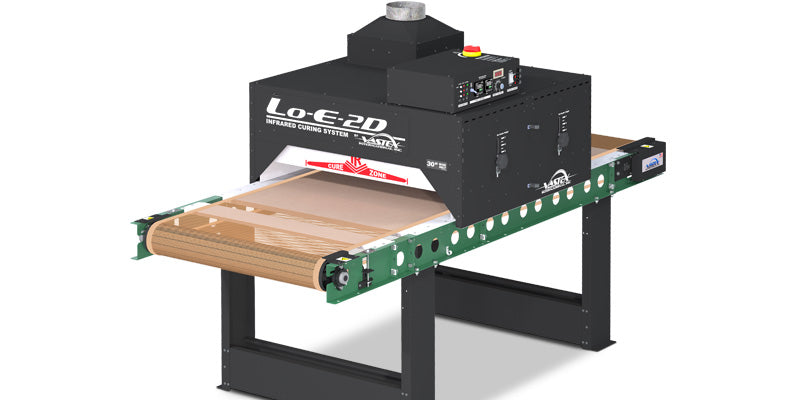
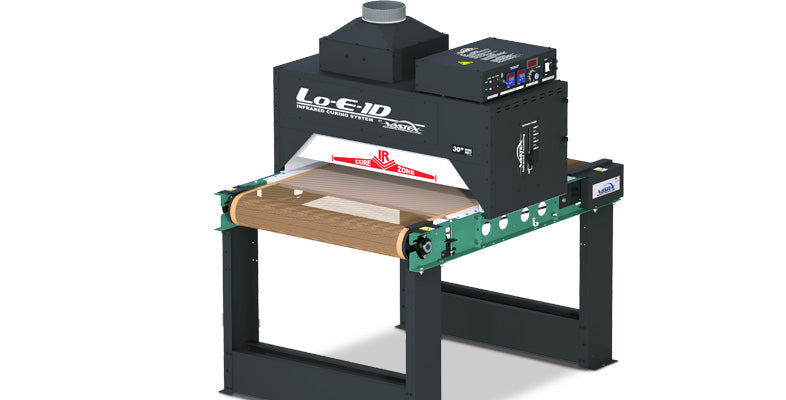
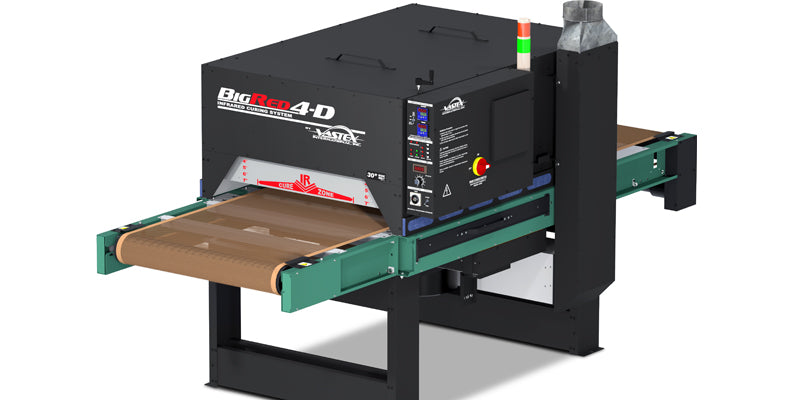
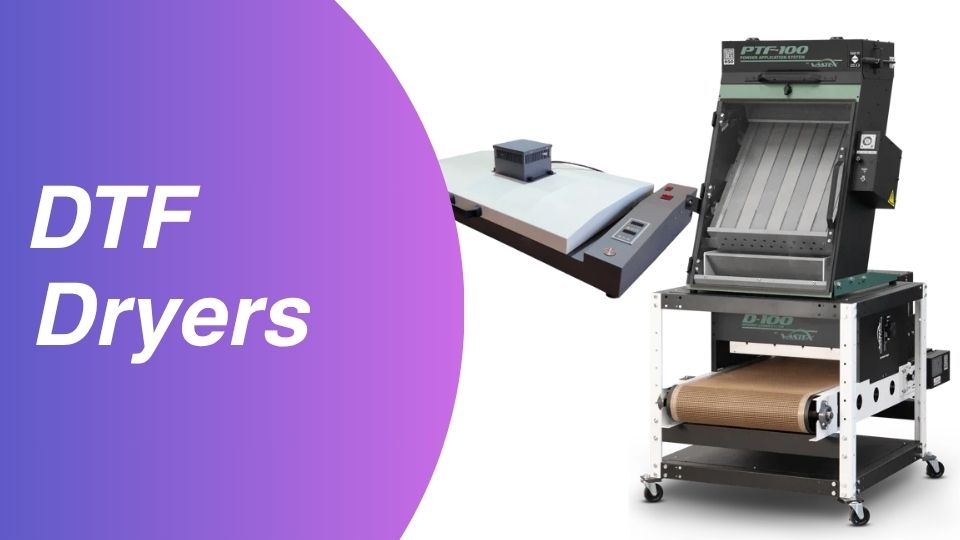
The primary function of a DTG oven dryer is to professionally cure water-based inks and pretreatments by removing moisture and permanently bonding the pigment to the fabric fibers. By utilizing consistent infrared heat and high-velocity forced air, these conveyor dryers ensure vibrant color retention and superior wash fastness across various garments like t-shirts and hoodies. Unlike a heat press, an industrial DTG dryer maximizes production efficiency and prevents garment scorching while maintaining a soft, natural hand feel. Integrating a specialized oven dryer into your workflow at Joto Imaging Supplies eliminates production bottlenecks and ensures high-quality, durable results for every custom print.

What fabric types are compatible with a DTG oven dryer for professional curing?

Professional DTG oven dryers are engineered for broad compatibility, effectively curing water-based inks on 100% natural fibers like cotton, bamboo, and linen. These systems also excel at processing synthetic blends, including polyester-cotton mixes and tri-blends, by utilizing adjustable temperature and airflow settings to ensure deep pigment polymerization. By maintaining precise heat distribution, our industrial dryers prevent scorching on delicate performance fabrics while maximizing wash fastness across all garment types. At Joto Imaging Supplies, we provide these high-performance curing solutions to guarantee a soft hand feel and long-term durability for every professional print run.

What are the best maintenance practices for ensuring the long-term durability and heating efficiency of a DTG conveyor oven dryer?

To ensure the long-term durability and heating efficiency of your DTG conveyor oven dryer, it is essential to perform daily cleaning of the conveyor belt and internal chambers to remove lint and ink residue. Regularly inspect the infrared heating elements and blower motors to ensure consistent heat distribution and proper airflow for optimal pigment polymerization. Additionally, maintain the exhaust system by checking filters and vents to prevent heat buildup and guarantee stable curing temperatures during high-volume production. Following these professional maintenance protocols at Joto Imaging Supplies will maximize your equipment's lifespan and ensure high-quality garment transfers.

How do you properly cure water-based inks and pretreatments using a DTG oven dryer to ensure maximum wash fastness?

To properly cure water-based inks and pretreatments, set your DTG oven dryer to the recommended temperature and conveyor speed to allow for complete moisture evaporation and pigment polymerization. Ensuring a consistent dwell time within the forced-air heating chamber is critical for bonding the ink to the fabric fibers and achieving maximum wash fastness. At Joto Imaging Supplies, we recommend calibrating your airflow and heat settings based on the specific garment weight to prevent scorching while ensuring a professional-grade, durable finish. This technical precision eliminates the variables of manual pressing, providing a reliable cure for high-volume custom apparel production.

How can you prevent garment scorching and uneven curing when using a DTG conveyor oven dryer?

To prevent garment scorching and uneven curing in a DTG conveyor oven dryer, precisely calibrate the belt speed and temperature settings based on the specific garment weight and fabric sensitivity. High-velocity forced air is critical for water-based ink polymerization, as it efficiently removes moisture and prevents heat from stagnating on the fabric surface. Regularly monitor internal tunnel temperatures using a laser temp gun or donut probe to identify thermal dead zones and ensure the entire ink deposit reaches the required cure temperature. By maintaining clean ventilation ducts and stable environmental humidity, you can achieve professional-grade wash fastness and vibrant color retention without compromising material integrity.

How can using a professional DTG oven dryer enhance the color vibrancy and wash durability of your custom garment prints?

A professional DTG oven dryer enhances color vibrancy by using high-velocity forced air and infrared heat to rapidly remove moisture without compressing the ink into the fabric fibers. This specialized curing process allows pigments to set on the surface of the garment, resulting in brighter, more vivid designs compared to the flattened finish of a heat press. Additionally, the consistent and uniform heat distribution ensures a complete cure of water-based inks and pretreatments, which significantly improves wash fastness and long-term durability. By optimizing the bond between the ink and the textile, these industrial dryers provide a high-definition, professional-grade finish that resists fading and cracking over time.

How can investing in a professional DTG oven dryer improve production efficiency and long-term cost-effectiveness for your custom garment business?

Investing in a professional DTG oven dryer significantly boosts production efficiency by replacing the manual bottleneck of a heat press with a continuous, high-volume curing workflow. These industrial dryers utilize high-velocity forced air and infrared heating to ensure uniform pigment polymerization and complete moisture evaporation across various fabric types. This automated process reduces labor costs and minimizes garment scorching, leading to a higher yield of professional-grade prints with superior wash fastness. By streamlining the finishing stage, Joto Imaging Supplies’ DTG curing solutions provide a scalable and cost-effective foundation for growing custom apparel businesses.

What are the essential safety precautions and ventilation requirements for operating a DTG conveyor oven dryer in a professional workspace?

When operating a DTG conveyor oven dryer, it is critical to ensure high-volume ventilation or a dedicated exhaust system to safely manage the steam and airborne particulates generated during the ink curing process. Operators should prioritize respiratory safety and wear heat-resistant gloves when handling garments to prevent burns from the high-temperature infrared heating elements. Maintain a clear perimeter around the dryer’s intake and outfeed to prevent fire hazards and ensure unobstructed airflow for consistent pigment polymerization. Following these professional safety protocols at Joto Imaging Supplies ensures a secure workspace while maintaining the high technical standards required for durable, high-quality garment decoration.

What are the primary differences between using a DTG oven dryer versus a heat press for curing garments?

A DTG oven dryer utilizes high-velocity forced air and infrared heat to cure water-based inks without compressing the fabric fibers, resulting in superior color vibrancy and a softer hand feel compared to a heat press. While a heat press is often used for low-volume production, it can flatten the ink and create a "shiny" finish that may compromise the professional appearance of the garment. Investing in a conveyor oven dryer at Joto Imaging Supplies eliminates production bottlenecks by allowing for a continuous, high-volume workflow and more consistent pigment polymerization. This industrial curing method ensures maximum wash fastness and durability, making it the preferred choice for professional garment decorators scaling their DTG operations.

How can you optimize conveyor belt speed and airflow settings on a DTG oven dryer to achieve the perfect balance between moisture evaporation and pigment polymerization for high-opacity white ink prints?

To optimize your DTG oven dryer for high-opacity white ink, adjust the conveyor belt speed to achieve a dwell time that allows for complete moisture evaporation before pigment polymerization begins. High-velocity forced airflow settings must be maximized to effectively remove steam from the dense ink layer, ensuring the heat penetrates the fibers for a professional-grade cure. Joto Imaging Supplies recommends regular temperature calibration to maintain the technical balance between high heat and airflow, preventing scorching while securing maximum wash fastness. This precise synchronization of speed and air volume is essential for achieving the vibrant, durable results required in high-volume garment production.

aaa

Drawer Title

Similar Products