















Skip to content
en
USD

Score a Goal With the Best Prices

Shop Now

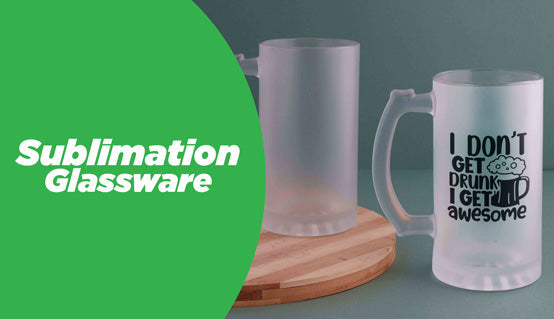
Sublimation Glassware


Sublimation Glassware for Personalized Product Businesses


Create Premium, Retail-Ready Drinkware for Resale


Explore sublimation-ready glassware designed for businesses producing custom drinkware and gift items.
Deliver vibrant transfers, clean finishes, and consistent results across production batches.
Ideal for offering high-margin, sellable glass products for events, retail, and corporate orders.
Filter

13 products

  • Sort by

Frequently Asked Questions:

What is sublimation glassware used for?

Sublimation glassware is used to create high-quality, personalized drinkware by transferring vibrant, full-color designs onto glass surfaces coated with a specialized polymer. This process allows for the production of custom mugs, tumblers, and wine glasses that feature durable, photographic-quality images resistant to fading and wear. At Joto Imaging Supplies, our sublimation glassware utilizes premium Pearl Coating to ensure optimal ink absorption and a seamless, professional finish for promotional or gift applications. By using high heat and pressure, the sublimation ink bonds permanently to the glass substrate, resulting in sophisticated and long-lasting customized products.

What materials and coatings are required for compatible sublimation glassware?

Sublimation glassware requires a specialized polymer or polyester coating to allow the sublimation ink to chemically bond with the surface under heat and pressure. Unlike standard glassware, these pre-coated substrates are engineered to withstand high temperatures and ensure vibrant, high-definition image transfers. For optimal results, use high-quality sublimation ink and transfer paper specifically designed for hard surfaces to achieve maximum durability and color clarity. Using non-coated glass will result in poor ink adhesion and designs that fail to transfer or wash away easily.
How should I care for and maintain sublimation glassware to ensure long-term durability and color vibrancy?

To ensure the long-term durability and color vibrancy of your sublimated glassware, we recommend hand washing with mild soap and a soft sponge to protect the specialized polymer coating. Although some blanks are rated for top-rack residential dishwasher use, frequent exposure to high-heat cycles and harsh detergents can eventually cause the infused dyes to fade or the coating to degrade. Avoid using abrasive scrubbers or steel wool, as these can scratch the surface and compromise the integrity of the sublimated design. Following these professional maintenance protocols ensures your custom glass products remain pristine and high-performing for years to context.

How do I print and apply custom designs to sublimation glassware using a heat press?

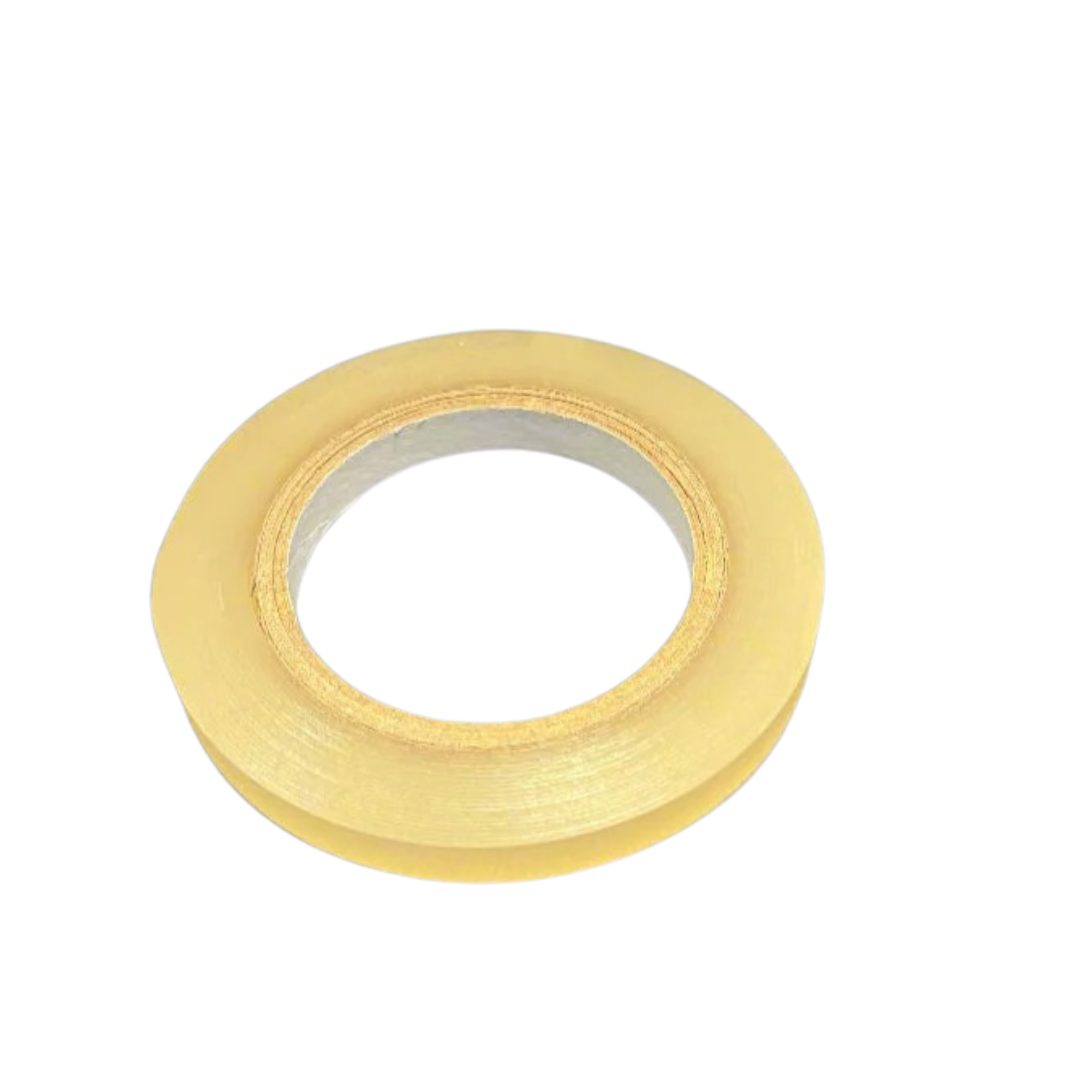
To customize sublimation glassware, print your high-resolution artwork onto premium transfer paper and secure it firmly to the polymer-coated surface using heat-resistant tape to prevent image shifting or ghosting. Position the glass into a calibrated mug press or utilize a silicone wrap, applying consistent medium pressure at temperatures typically ranging from 365°F to 400°F. Monitor the dwell time strictly according to the substrate's thickness to ensure the sublimation ink fully permeates the specialized coating for a permanent, scratch-resistant result. After the heating cycle, carefully remove the transfer and allow the glassware to cool or briefly submerge it in lukewarm water to stop the gas infusion process and ensure maximum color clarity.

Why is my sublimation glassware design appearing faded, blurry, or ghosted after pressing?

Faded, blurry, or ghosted sublimation glassware transfers are typically caused by insufficient heat press pressure, incorrect dwell times, or moisture trapped within the substrate or transfer paper. To eliminate ghosting on items like frosted glass tumblers and cutting boards, ensure the transfer is secured tightly with heat-resistant tape and that the heating element maintains consistent contact to prevent shifting during the gasification process. Additionally, verify that your heat press is calibrated to the recommended 350°F to 400°F range and that you are utilizing high-quality, polymer-coated glassware blanks to ensure a permanent molecular bond.

How can I achieve the most vibrant and professional color results when using sublimation glassware?

To achieve professional-grade color vibrancy on sublimation glassware, utilize high-resolution 300 DPI artwork paired with custom ICC profiles specifically calibrated for your unique ink and glass substrate combination. Ensure you are using premium, high-release sublimation paper and pre-coated, polymer-treated glass blanks to facilitate maximum ink absorption and prevent image washing on transparent surfaces. Calibrate your heat press or convection oven to maintain a precise temperature of 360°F to 400°F and utilize heat-resistant tape to secure the transfer tightly, eliminating the air gaps that cause ghosting and dull finishes. For frosted or clear glassware, leveraging a high-density print mode within your Sawgrass or Epson print manager will expand the reachable color gamut and ensure deep, rich saturation.

How can incorporating custom sublimation glassware help increase the profitability and ROI of my custom printing or hospitality business?

Incorporating custom sublimation glassware significantly boosts profitability by allowing businesses to offer high-margin, full-wrap photographic designs that demand premium retail pricing compared to standard decals. Utilizing professional-grade pre-coated glass ensures a permanent molecular bond that resists peeling and fading, which minimizes costly production waste and enhances customer retention through superior product durability. By leveraging low-cost consumables and high-efficiency heat transfer equipment, your business can achieve a rapid ROI while accessing the lucrative personalized gift and corporate branding markets.

How should I store sublimation glassware and what safety precautions should I follow during the heat transfer process?

To maintain the integrity of sublimation glassware blanks, store them in a cool, dry, climate-controlled environment to protect the specialized polymer coating from moisture absorption and degradation. During the heat transfer process, always wear heat-resistant gloves and operate your mug press or convection oven in a well-ventilated area to safely manage the gases released during ink vaporization. To prevent thermal shock and potential cracking, allow the glass substrates to cool slowly on a heat-safe surface rather than using cold water baths. Following these technical storage and safety protocols at Joto Imaging Supplies ensures high-quality, durable results while protecting both the user and the delicate glass media.

How does sublimation glassware compare to other decoration methods like vinyl decals or UV printing?

Sublimation glassware offers superior durability compared to vinyl decals because the dye-sublimation ink molecularly bonds with the specialized polymer coating, creating a permanent, scratch-resistant finish that will not peel or flake. While UV printing and vinyl provide more vibrant results on clear, non-coated glass, sublimation delivers high-definition, full-color wraps that are better suited for long-term commercial use and frequent handling. At Joto Imaging Supplies, we recommend sublimation for professional-grade personalized gifts like frosted tumblers and glass mugs where wash durability and a seamless, integrated feel are the highest priorities. Utilizing sublimation-ready blanks ensures your custom designs maintain their integrity and professional appearance far longer than topical decoration methods.

How can I optimize heat press pressure and dwell time to prevent ghosting and ensure edge-to-edge ink saturation on tapered sublimation glassware?

To optimize results for tapered sublimation glassware, utilize a specialized conical heating element or a wrap-around heat press that conforms to the vessel's unique geometry to ensure consistent medium-to-heavy pressure. Maintain a precise dwell time of 60 to 120 seconds at approximately 360°F, rotating the glassware halfway through the cycle to achieve full edge-to-edge ink saturation. To eliminate ghosting, secure the transfer tightly with heat-resistant tape to prevent any air gaps or shifting during the sublimation process. Utilizing high-quality polymer-coated glass blanks and calibrated ICC profiles will further ensure professional-grade color vibrancy and clarity for every project.

aaa

Drawer Title

Similar Products