




















Skip to content
en
USD

Score a Goal With the Best Prices

Shop Now

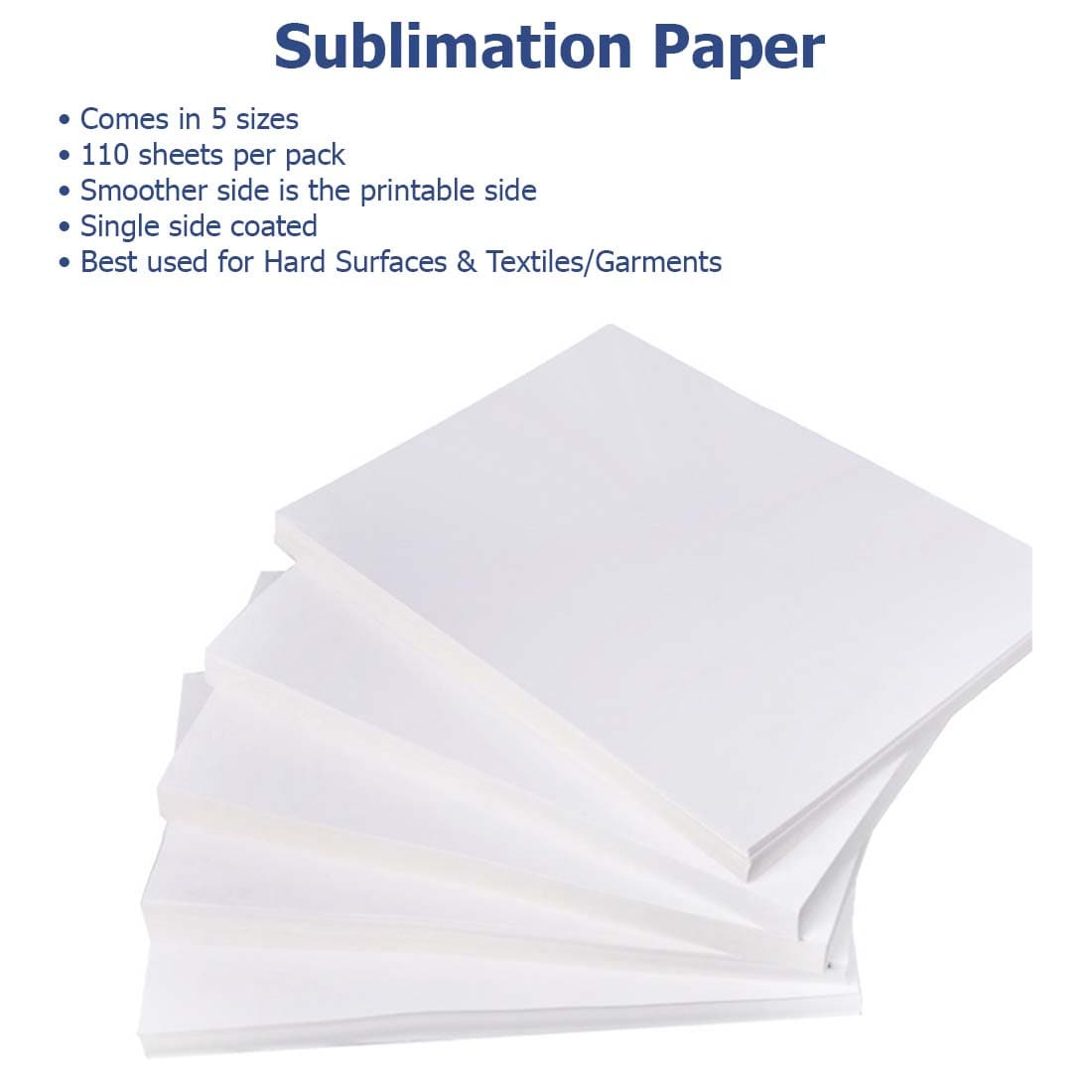
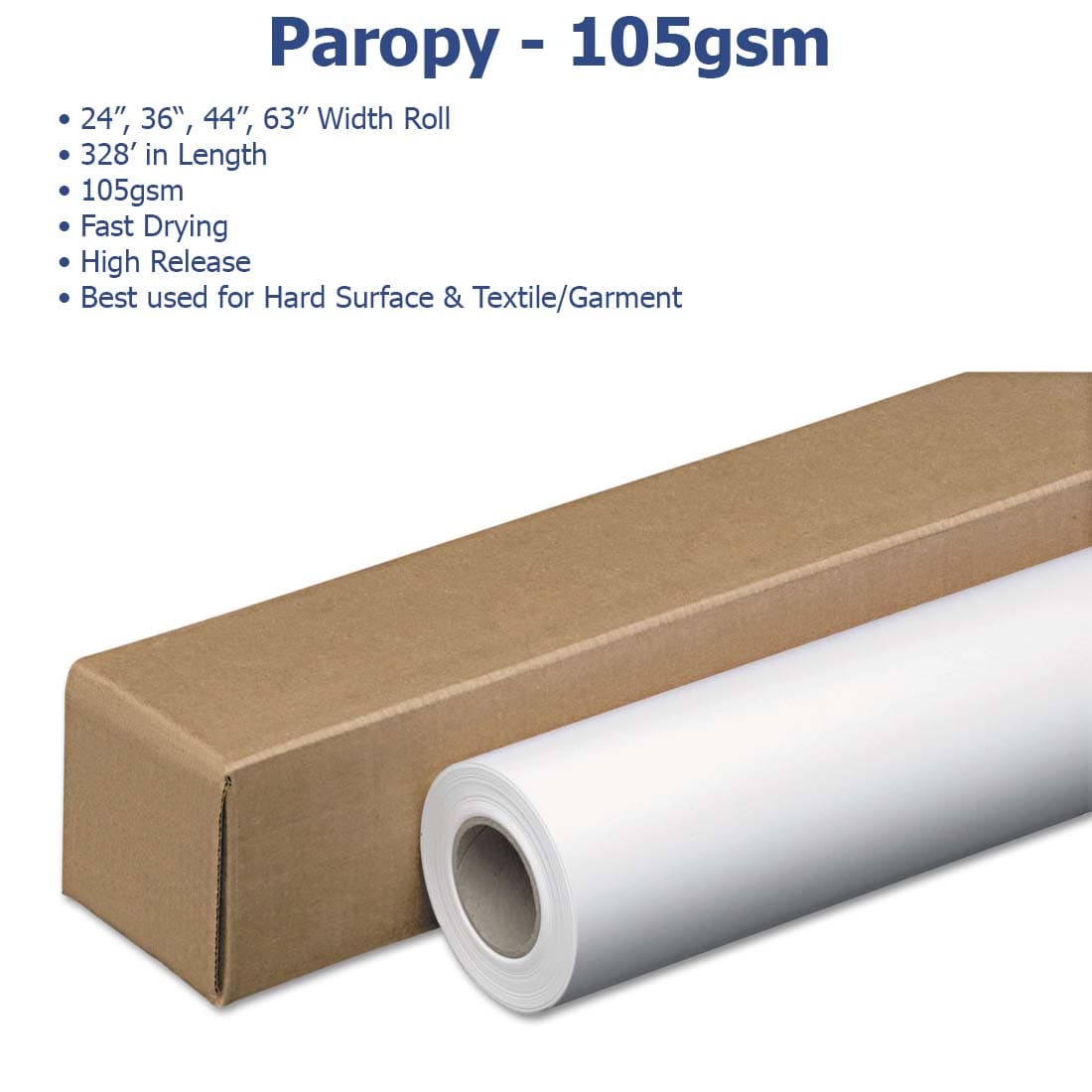
Sublimation Paper


Sublimation Paper for Production Print Businesses


Ensure Clean Release and Consistent Color Transfer


Shop sublimation paper designed for businesses producing apparel, drinkware, and coated hard goods for resale.
Deliver accurate ink release, sharp image detail, and repeatable press performance across runs.
Ideal for maintaining consistent, retail-ready output in daily production workflows.
Frequently Asked Questions:

What is sublimation paper?

Sublimation paper is a specialized heat transfer media engineered with a unique ink-receptive coating that holds sublimation dyes in place until the heat press process. When subjected to high temperatures and pressure, the coating releases the dyes, allowing them to convert into a gaseous state and permanently bond with polyester-based textiles or polymer-coated rigid substrates. At Joto Imaging Supplies, our premium sublimation papers ensure high-definition color reproduction and maximum ink transfer efficiency for professional-grade results. This technical solution is essential for creating durable, vibrant customizations on everything from performance apparel to ceramic drinkware.

What surfaces and materials are compatible with sublimation paper?

Sublimation paper is engineered for compatibility with 100% polyester fabrics and high-polyester blends, ensuring the dye effectively bonds with the synthetic fibers for vibrant, permanent results. For rigid substrates, it is essential to use "sublimation-ready" blanks, such as ceramic mugs, aluminum panels, and glass, which have been pre-treated with a specialized polymer coating. At Joto Imaging Supplies, we emphasize that natural fibers like 100% cotton and uncoated hard surfaces are not compatible, as they lack the necessary polymers for the sublimation gas to infuse. Using high-quality sublimation paper on these optimized surfaces guarantees professional-grade color fastness and high-resolution detail.

How long do sublimation prints last on garments and hard surfaces?

Sublimation prints are exceptionally durable because the dye bonds at a molecular level with polyester fibers and polymer coatings, ensuring the design will not crack, peel, or scratch under normal use. On apparel, high-quality sublimation transfers can withstand over 100 wash cycles with minimal fading, often outlasting the garment itself when washed in cold water. Hard surfaces like ceramic mugs and metal panels offer even greater longevity, maintaining vibrant, photo-quality color for decades when kept indoors and away from prolonged UV exposure. By utilizing premium sublimation paper and proper heat press settings, you ensure a permanent, professional-grade finish that resists environmental wear better than surface-based printing methods.

How do you apply sublimation paper to a substrate using a heat press?

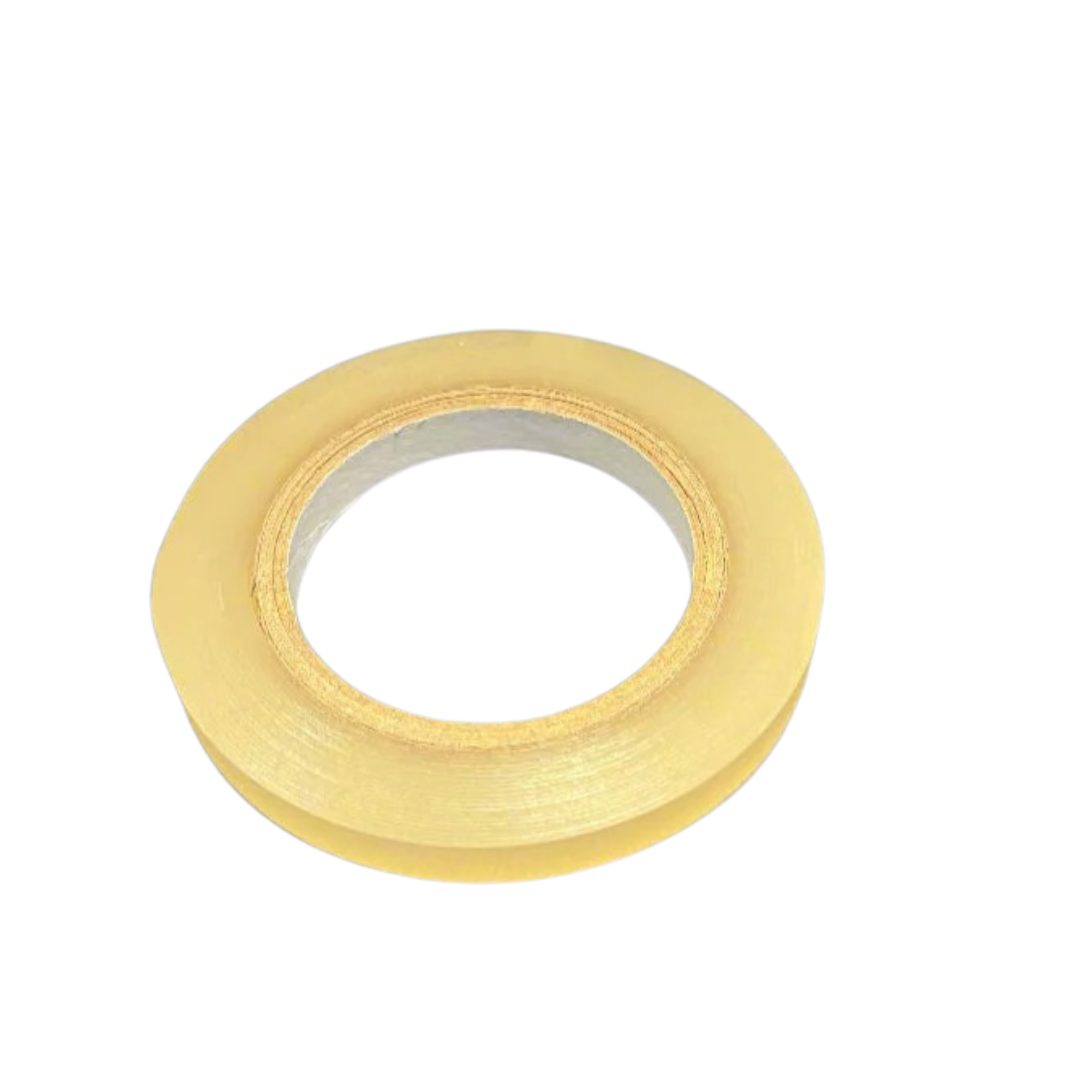
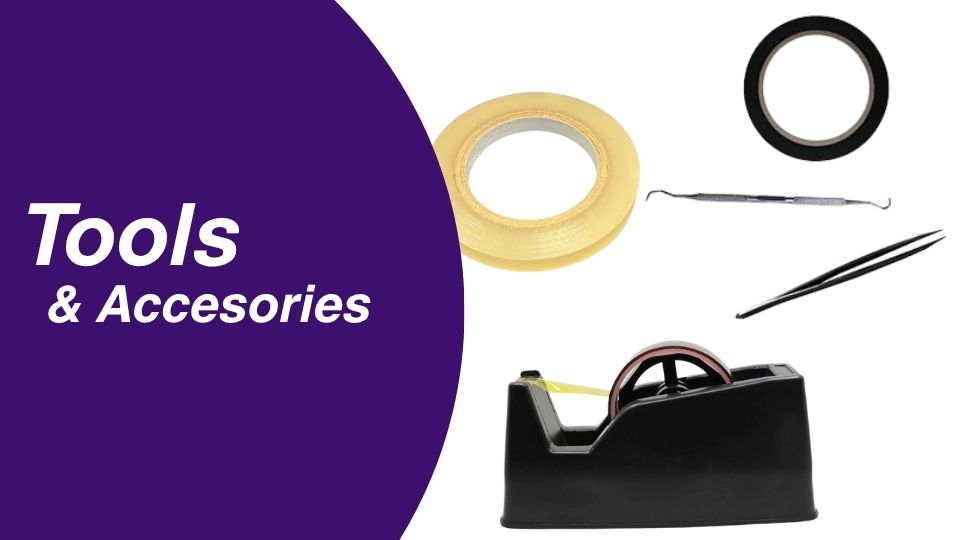
To apply sublimation paper to a substrate, start by positioning your printed transfer face-down onto the preheated surface and securing it with heat-resistant tape to prevent ghosting. Utilize a professional heat press set to approximately 400°F (204°C) with medium to firm pressure for 45 to 60 seconds, depending on the specific substrate’s requirements. This thermal process allows the sublimation dyes to convert into a gas and permeate the polyester fibers or polymer coating for a permanent, high-resolution finish. Once the cycle is complete, carefully remove the transfer paper immediately to reveal vibrant, industrial-grade graphics that will not crack or peel.

Why is my sublimation print ghosting or appearing blurry after heat pressing?

Sublimation ghosting and blurry transfers are primarily caused by the transfer paper shifting or "gassing out" during the heat press cycle, often due to the vacuum effect created when opening the press too quickly. To prevent this, secure your sublimation paper to the substrate using heat-resistant tape or adhesive spray and ensure you are lifting the heat platen straight up in a smooth motion. Additionally, excess moisture in the substrate or improper heat and pressure settings can lead to ink bleed; we recommend pre-pressing your materials for 5-10 seconds to eliminate moisture and verifying your settings against manufacturer guidelines. Maintaining precise control over these variables is essential for achieving the crisp, high-resolution results expected from professional sublimation paper.

How can I achieve professional-level color vibrancy and high-resolution finishes using sublimation paper?

To achieve professional-level color vibrancy and high-resolution finishes with sublimation paper, it is critical to utilize high-quality sublimation inks paired with optimized ICC profiles for precise color management. Ensure you are using a premium, high-release sublimation paper that allows for maximum ink transfer onto polyester-rich fabrics or polymer-coated substrates. Maintaining consistent heat press temperature and even pressure is essential to prevent ghosting and ensure the dyes fully sublimate into the material fibers for a durable, photographic finish. For the sharpest results, always pre-press your substrate to remove moisture and use heat-resistant tape to secure the transfer during the sublimation process.

How can switching to high-quality sublimation paper improve the production efficiency and overall profitability of your custom printing business?

Switching to high-quality sublimation paper from Joto Imaging Supplies enhances production efficiency by ensuring superior ink release and faster drying times, which minimizes the risk of smudging and tracking. The specialized coating on premium transfer media provides high-definition detail and exceptional color vibrancy, leading to professional-grade results that command higher market value and reduce costly reprints. By optimizing ink consumption and providing consistent transfer quality across various polyester-based substrates, you significantly lower material waste and improve your overall profit margins. This technical upgrade streamlines your workflow, allowing for rapid throughput and increased scalability in your custom apparel and hard surface decoration business.

What are the best practices for the proper storage and handling of sublimation paper to ensure its longevity and print quality?

To ensure the longevity and print quality of sublimation paper, store your rolls or sheets in a cool, dry environment with a stable relative humidity between 40% and 60%. Always keep the media in its original plastic packaging to prevent moisture absorption, which can lead to paper curling, ink bleeding, or uneven transfers. It is recommended to acclimate the sublimation paper to your production room's environment for at least 24 hours prior to printing to ensure consistent ink absorption and coating performance. Proper storage prevents contamination from dust and debris, guaranteeing high-resolution results and vibrant color reproduction on all your sublimated substrates.

How does sublimation paper compare to screen printing or DTG for custom apparel and hard surface decoration?

Sublimation paper provides a superior, high-resolution solution for full-color decoration on polyester fabrics and polymer-coated hard surfaces by gassing ink directly into the substrate for a permanent, no-feel finish. Unlike screen printing, which requires high setup costs and is limited by color count, sublimation allows for on-demand, photographic-quality prints with no minimum order requirements. While DTG is optimized for cotton-rich apparel, sublimation remains the industry standard for hard surface substrates like ceramic mugs and aluminum panels where DTG cannot bond. Joto Imaging Supplies offers premium sublimation paper engineered to ensure maximum ink release and color accuracy for professional results across both textile and rigid applications.

How can I optimize ICC profiles and heat press dwell times to prevent outgassing and ensure color accuracy on high-density polyester substrates using premium sublimation paper?

To optimize color accuracy on high-density polyester, ensure your RIP software utilizes a custom ICC profile specifically calibrated for the ink set and premium sublimation paper being used. To prevent outgassing and ghosting, precisely calibrate your heat press dwell time and pressure, as excessive heat exposure can cause the dye to sublimate beyond the substrate fibers. We recommend using a high-quality heat-resistant tape and a specialized blow-out sheet to stabilize the transfer and maintain sharp image resolution during the sublimation process. Joto Imaging Supplies suggests performing incremental step-tests to find the ideal balance between temperature and time for maximum ink saturation without compromising the textile's integrity.

aaa

Drawer Title

Similar Products