Skip to content
en
USD

Score a Goal With the Best Prices

Shop Now

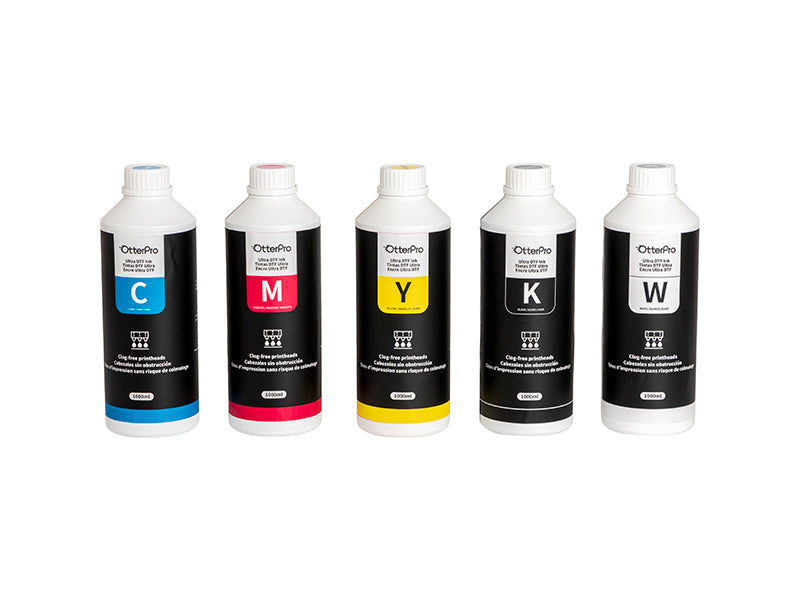
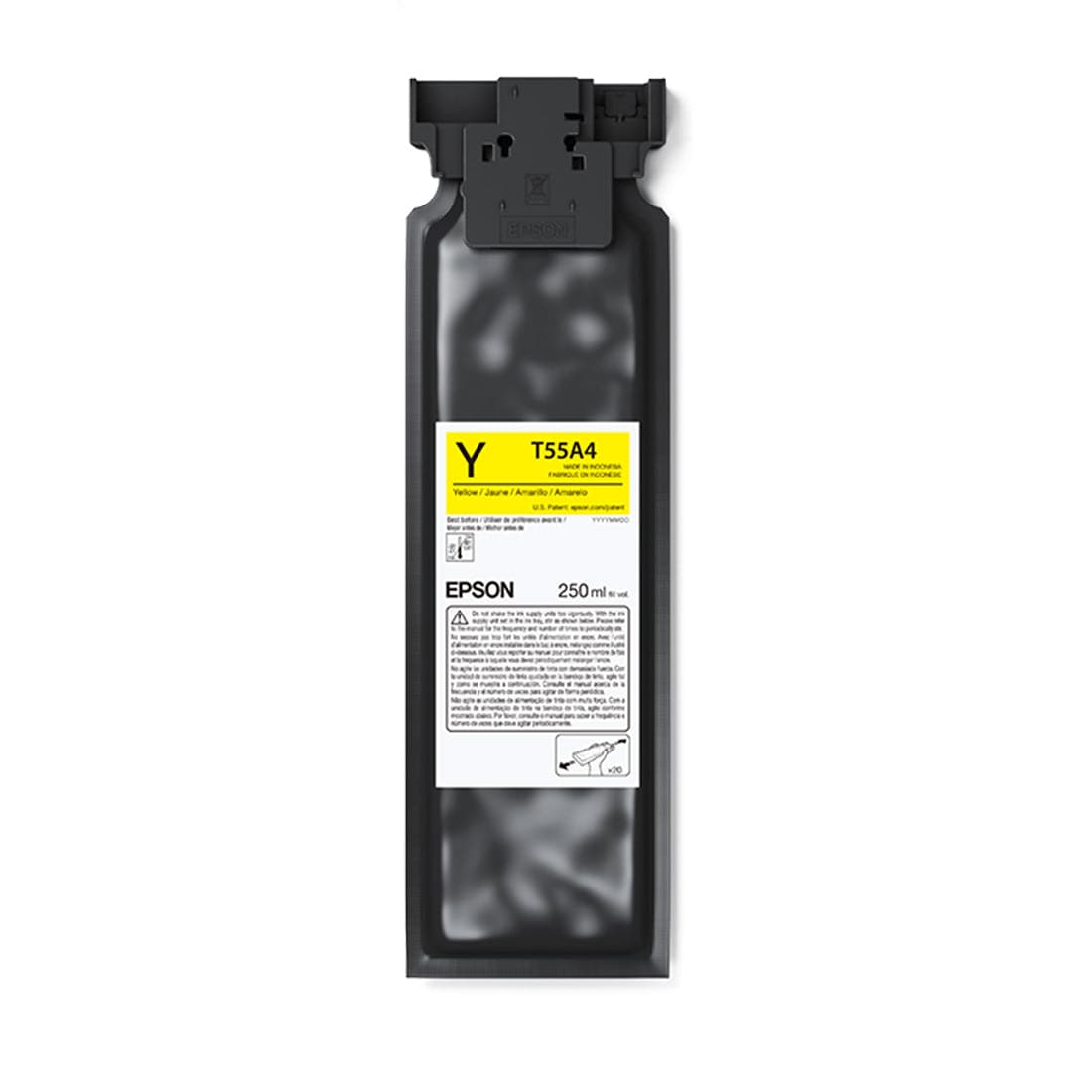
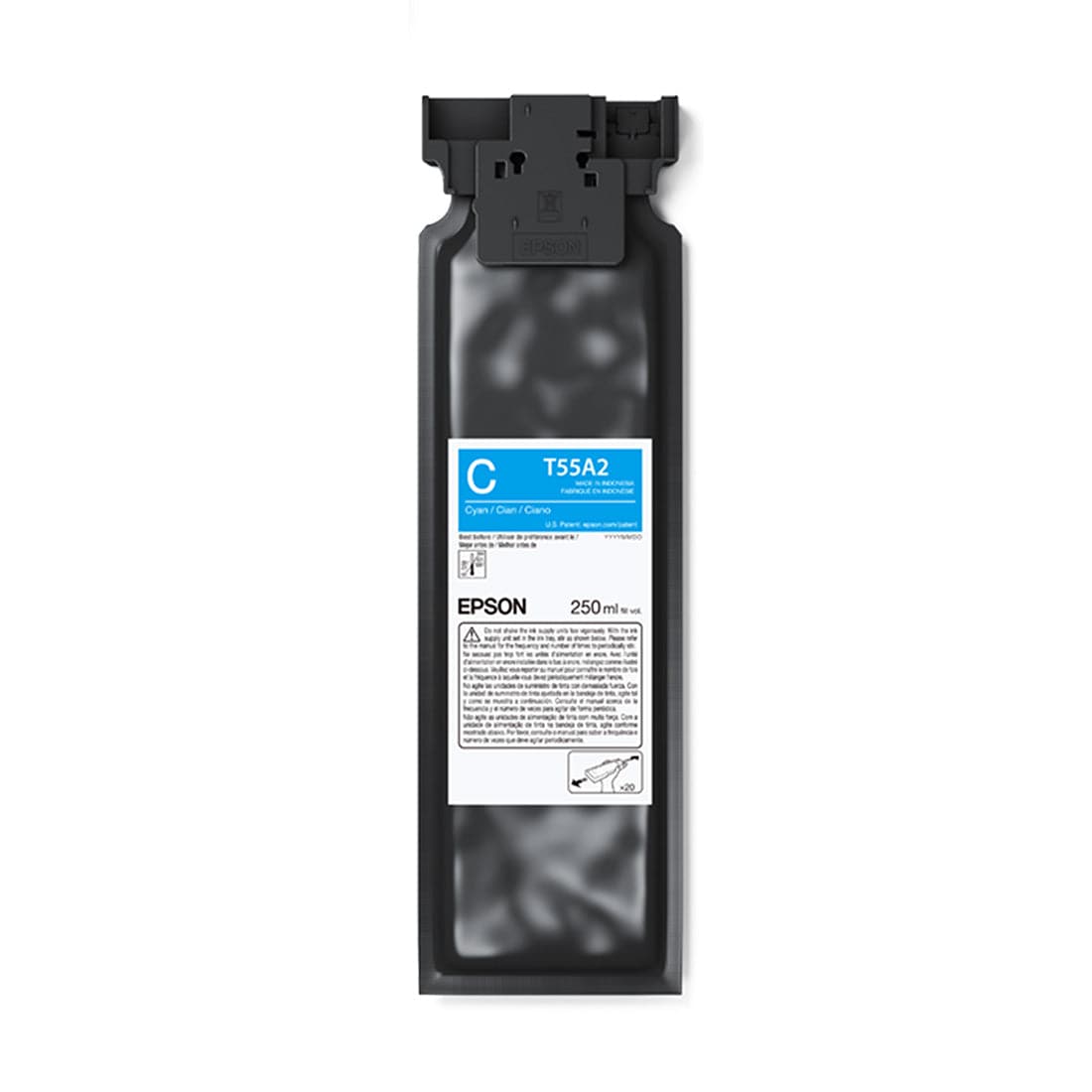
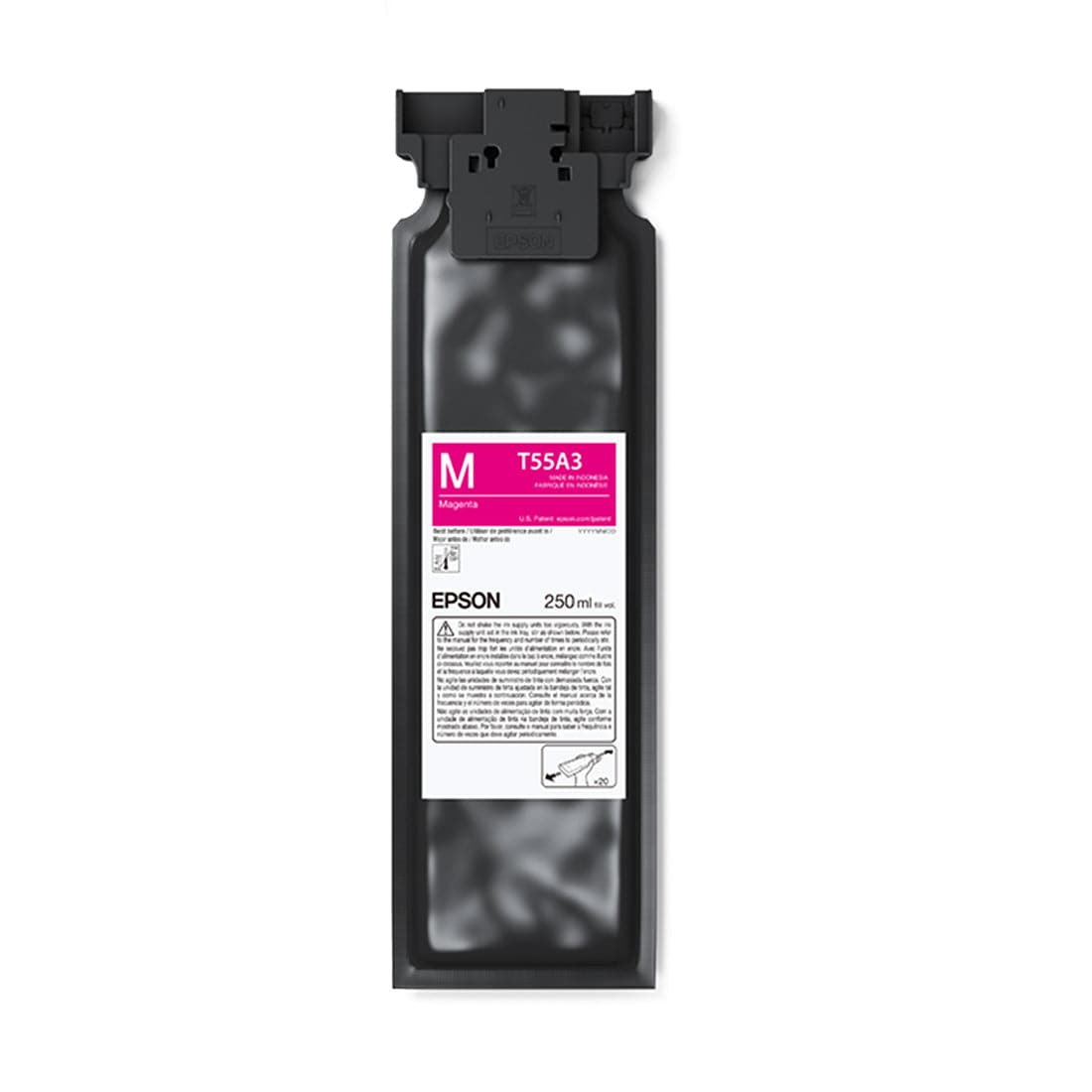
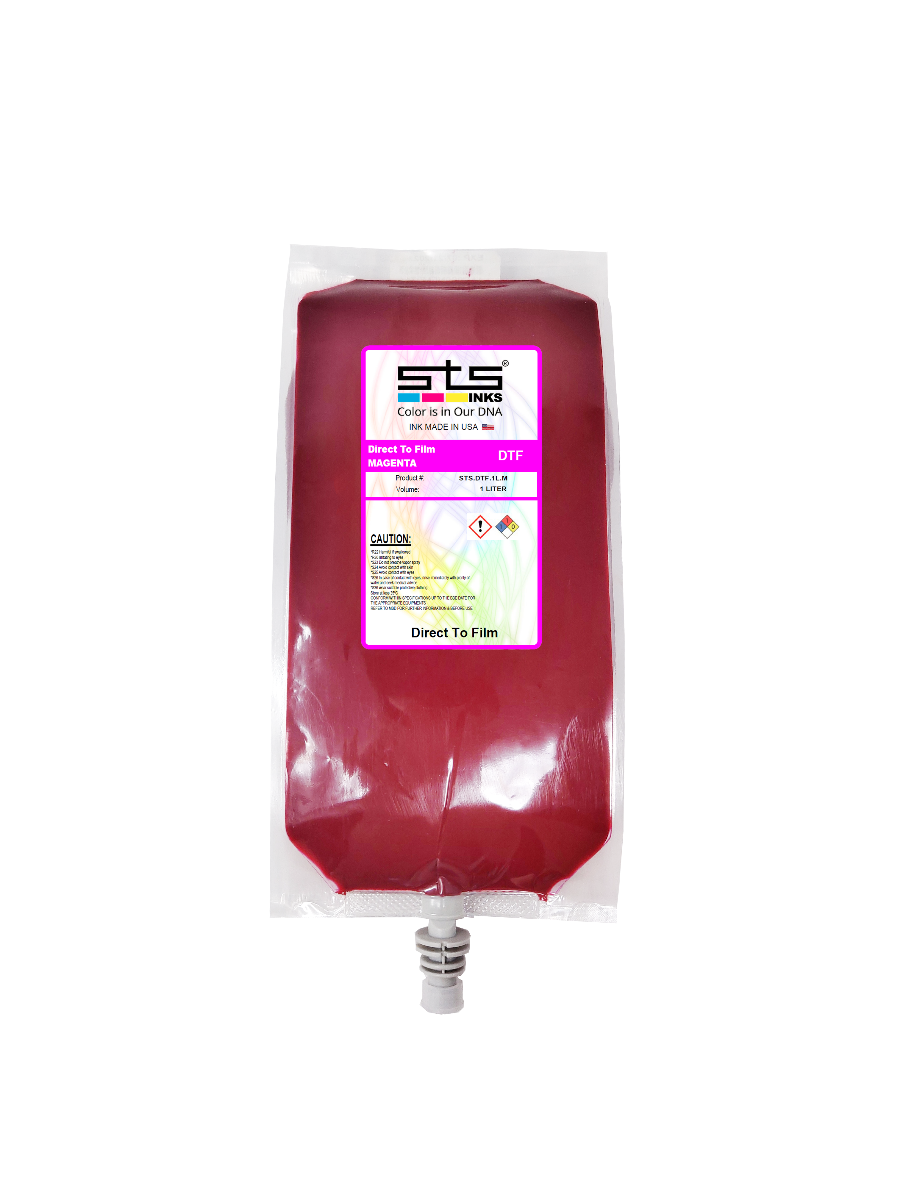
DTF Inks


DTF Inks for Apparel Production Businesses


Maintain Color Accuracy and Reliable Transfer Performance


Shop DTF inks formulated for consistent output in daily garment production workflows.
Ensure smooth ink flow, vibrant color reproduction, and dependable adhesion across batches.
Ideal for producing durable, retail-ready transfers with repeatable results.

Filter

7 products

  • Sort by

Frequently Asked Questions:

What is the primary function of DTF inks in the direct-to-film printing process?

The primary function of DTF inks is to provide high-opacity pigments and specialized binders that adhere to PET transfer film for high-quality garment decoration. These water-based pigment inks are engineered to bond with adhesive powder, ensuring vibrant color reproduction and exceptional wash fastness on various fabrics like cotton and polyester. By creating a flexible yet durable layer, DTF inks allow for intricate designs that resist cracking and fading even after repeated use. At Joto Imaging Supplies, our premium DTF inks are formulated to maintain optimal viscosity, preventing nozzle clogs and ensuring consistent, professional-grade results for every transfer.

Which printer models and fabric types are compatible with professional DTF inks for optimal transfer quality?

Professional DTF inks are engineered for use with piezo-electric printheads, primarily supporting Epson-based models such as the Procolored series and industrial systems equipped with i3200 or DX5 heads. These high-opacity inks offer exceptional versatility, allowing for high-quality transfers onto a wide range of textiles including 100% cotton, polyester, poly-cotton blends, and nylon. By utilizing a specialized pigment binder, our DTF inks ensure superior stretchability and wash fastness across both light and dark substrates without the need for garment pre-treatment. At Joto Imaging Supplies, we provide premium ink solutions designed to maintain consistent viscosity and prevent nozzle clogging in high-volume production environments.
How can I ensure the long-term durability and wash fastness of designs printed with DTF inks?

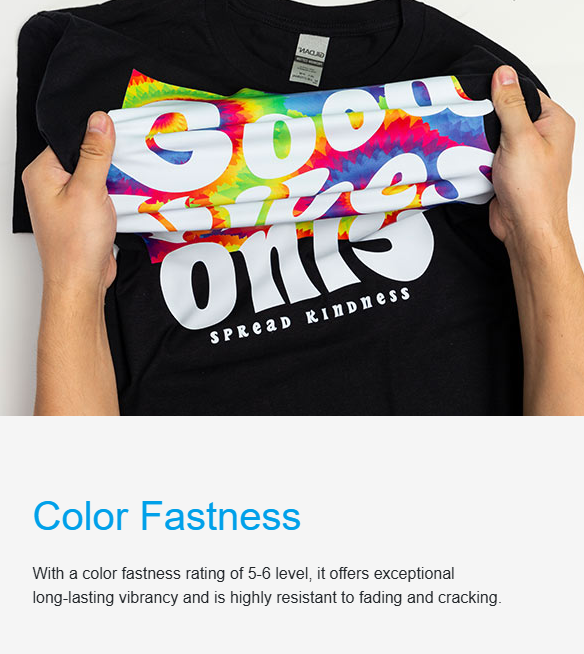
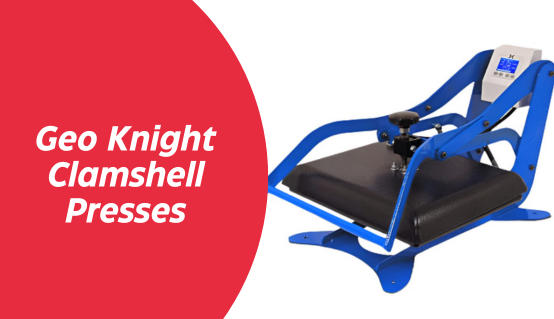
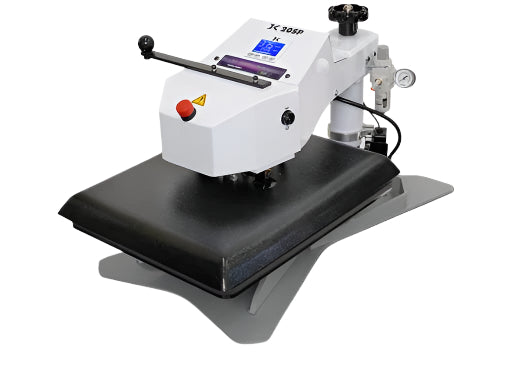
To ensure the long-term durability and wash fastness of designs printed with DTF inks, it is critical to use high-quality TPU adhesive powder and maintain precise curing temperatures during the heat transfer process. Properly cured DTF inks create a flexible yet robust bond with the fabric fibers, preventing cracking or peeling even after multiple industrial wash cycles. We recommend using a professional heat press to apply consistent pressure and heat, ensuring the pigment fully polymerizes with the substrate for maximum longevity. Following these technical standards at Joto Imaging Supplies guarantees professional-grade results with superior color retention and a soft hand feel.

How do you apply DTF inks and powder to achieve professional-grade garment transfers?

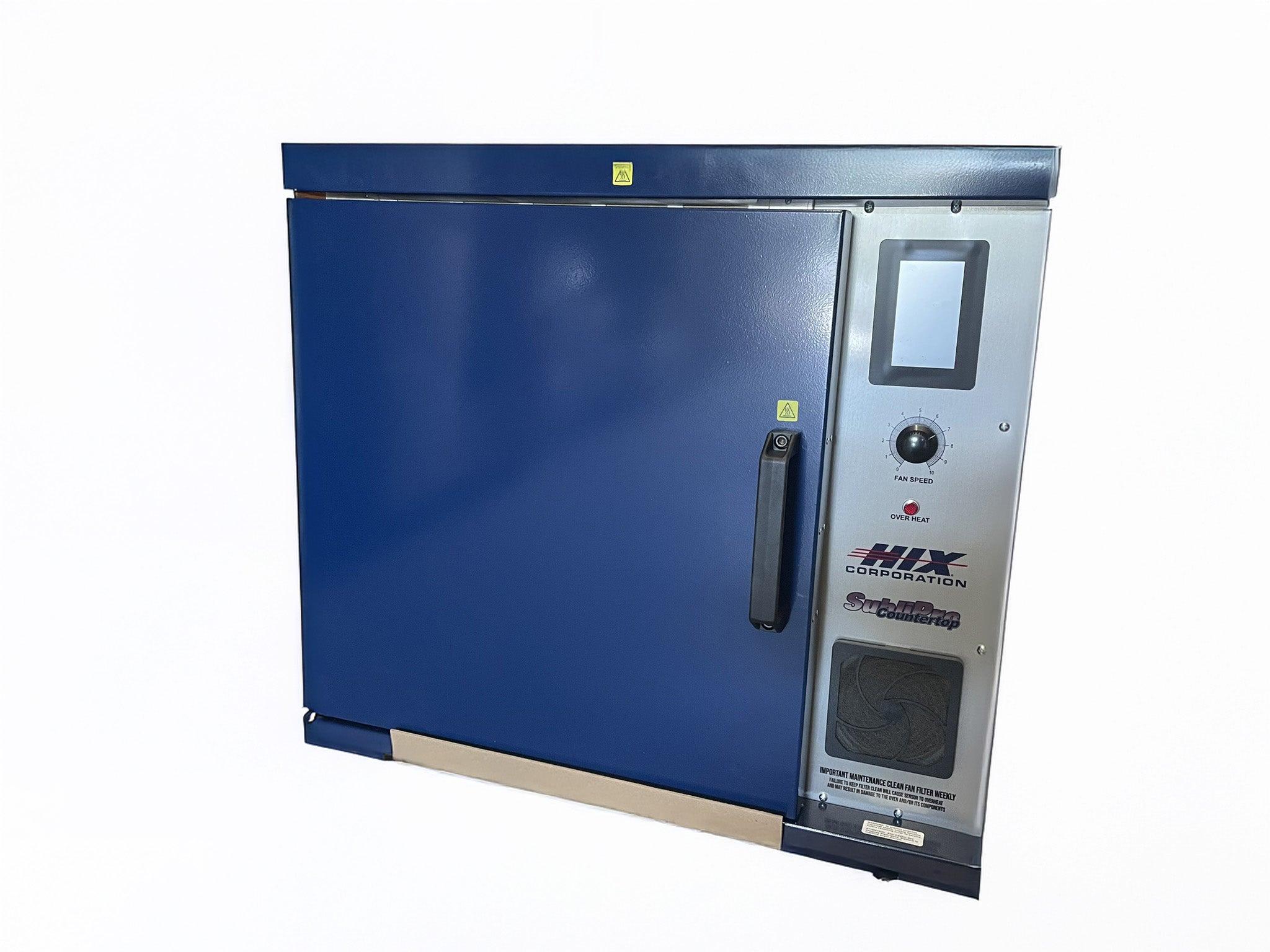
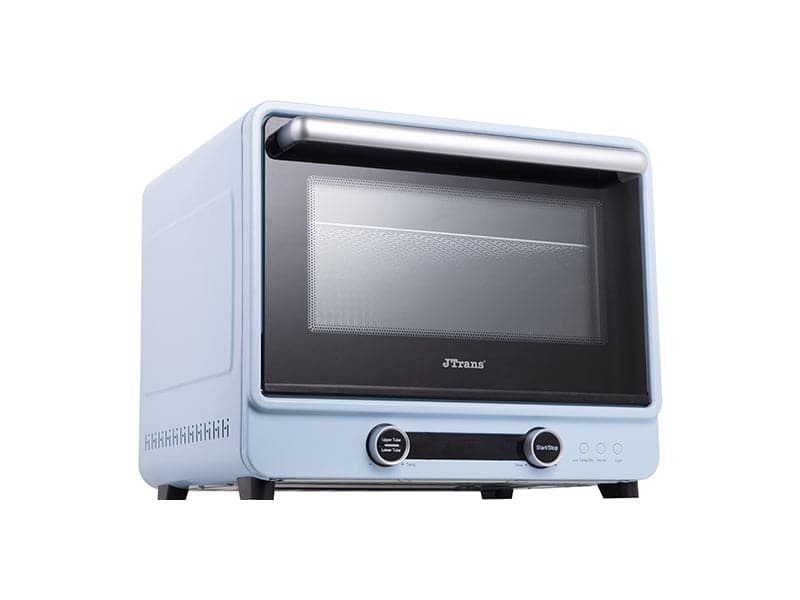
To achieve professional-grade transfers, first print your design onto the matte side of PET film using a specialized DTF printer, ensuring a high-opacity white ink underbase is layered over the CMYK pigments. While the white ink is still wet and tacky, immediately apply a uniform coating of TPU adhesive powder across the printed area and gently shake off any excess to prevent speckling. The powdered film must then be heat-cured in a dedicated DTF oven or under a hovering heat press at approximately 320°F (160°C) until the adhesive melts into a smooth, orange-peel texture. Finally, transfer the design to your garment using a heat press with medium pressure to create a durable, vibrant bond that withstands industrial wash cycles.

How can you prevent and resolve common DTF ink clogs and printhead blockages during the printing process?

To prevent DTF ink clogs and printhead blockages, maintain a stable production environment with relative humidity between 40% and 60% and perform daily maintenance on the capping station, wiper blade, and printhead surface. Utilizing high-quality, specialized DTF inks and implementing a white ink circulation or agitation system is essential to prevent heavy pigment sedimentation and nozzle dehydration during idle periods. If clogs occur, execute a series of automatic cleaning cycles or perform a manual soak using a professional-grade printhead recovery fluid to break down dried polymer chains and restore optimal ink flow. At Joto Imaging Supplies, we recommend consistent printer use and proactive moisture management to ensure maximum printhead longevity and superior output quality.

How can using premium DTF inks help you achieve professional-grade color vibrancy and exceptional wash durability in your custom apparel production?

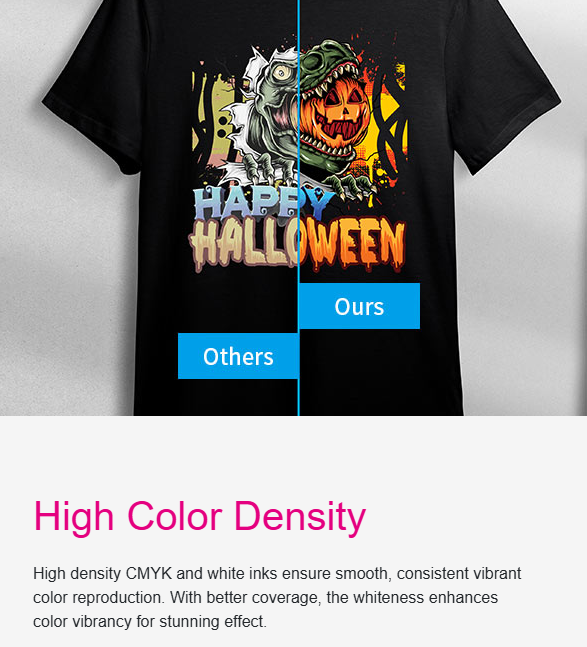
Premium DTF inks achieve professional-grade color vibrancy by utilizing high-density pigments that provide superior opacity and a wide color gamut on both light and dark textiles. These specialized inks are formulated with advanced binders that create a flexible, integrated bond with TPU adhesive powder, ensuring exceptional wash durability and resistance to cracking or fading. By maintaining precise viscosity and particle size, premium inks prevent nozzle deflection and ensure consistent ink flow for high-resolution, commercial-quality output. This technical optimization results in soft-hand transfers that withstand rigorous laundering while maintaining their original saturation and detail.

How can using high-quality DTF inks improve the cost-effectiveness and ROI of your custom apparel business?

Using high-quality DTF inks significantly improves cost-effectiveness by offering superior pigment density, which reduces overall ink consumption while maintaining exceptional color vibrancy. These premium formulations are engineered to minimize printhead clogging and maintenance downtime, directly increasing the long-term ROI of your hardware investments. By ensuring consistent flow and high-opacity results, Joto Imaging Supplies’ DTF inks produce professional-grade transfers with excellent wash fastness, reducing costly reprints and material waste. Investing in high-performance ink chemistry streamlines your production workflow, allowing your custom apparel business to scale efficiently with reliable, high-definition output.
What are the recommended storage conditions and safety precautions for maintaining the quality of DTF inks?

To maintain the technical integrity of DTF inks, store them in a cool, dry environment between 18-25°C (60-80°F) with humidity levels maintained at 30-70% to prevent instability or drying. Ensure all bottles are kept sealed in opaque containers away from direct sunlight to avoid UV degradation and cross-linking, and always shake white ink vigorously before use to reintegrate settled pigments. For optimal safety, operators should wear protective gloves and safety goggles to prevent skin irritation and work in a well-ventilated space to minimize the inhalation of ink vapors. Adhering to these professional storage protocols at Joto Imaging Supplies ensures high-opacity prints, vibrant color retention, and a shelf life of up to 12 months for your digital printing workflow.


How do DTF inks compare to traditional screen printing and DTG methods in terms of durability and color vibrancy?

DTF inks offer superior color vibrancy and opacity compared to DTG by utilizing high-density pigments that bond with TPU adhesive powder rather than absorbing into fabric fibers. In terms of durability, the integrated bond between premium DTF inks and hot-melt powder ensures exceptional wash fastness and stretchability that rivals traditional screen printing. This specialized formulation allows Joto Imaging Supplies customers to achieve a soft-hand feel and crack-resistant finish on both light and dark textiles. By combining the detail of digital printing with the industrial strength of screen printing, DTF inks provide a highly cost-effective solution for professional-grade garment decoration.
How can you optimize DTF ink viscosity and white ink circulation settings to prevent nozzle deflection during high-speed, large-format production runs?

To optimize DTF ink viscosity and prevent nozzle deflection, maintain a stable production environment with relative humidity between 40% and 60% and temperatures around 20-25°C. Implementing an automated white ink circulation system is critical to prevent pigment sedimentation, which ensures consistent flow through the dampers and printhead during high-speed, large-format runs. Regularly cleaning the capping station and wiper blade while monitoring the printer's suction pump settings will further stabilize ink delivery and maintain professional-grade transfer quality. Joto Imaging Supplies recommends performing daily nozzle checks to ensure the technical integrity of your high-opacity white ink underbase.

aaa

Drawer Title

Similar Products